
Last updated November 22, 2026
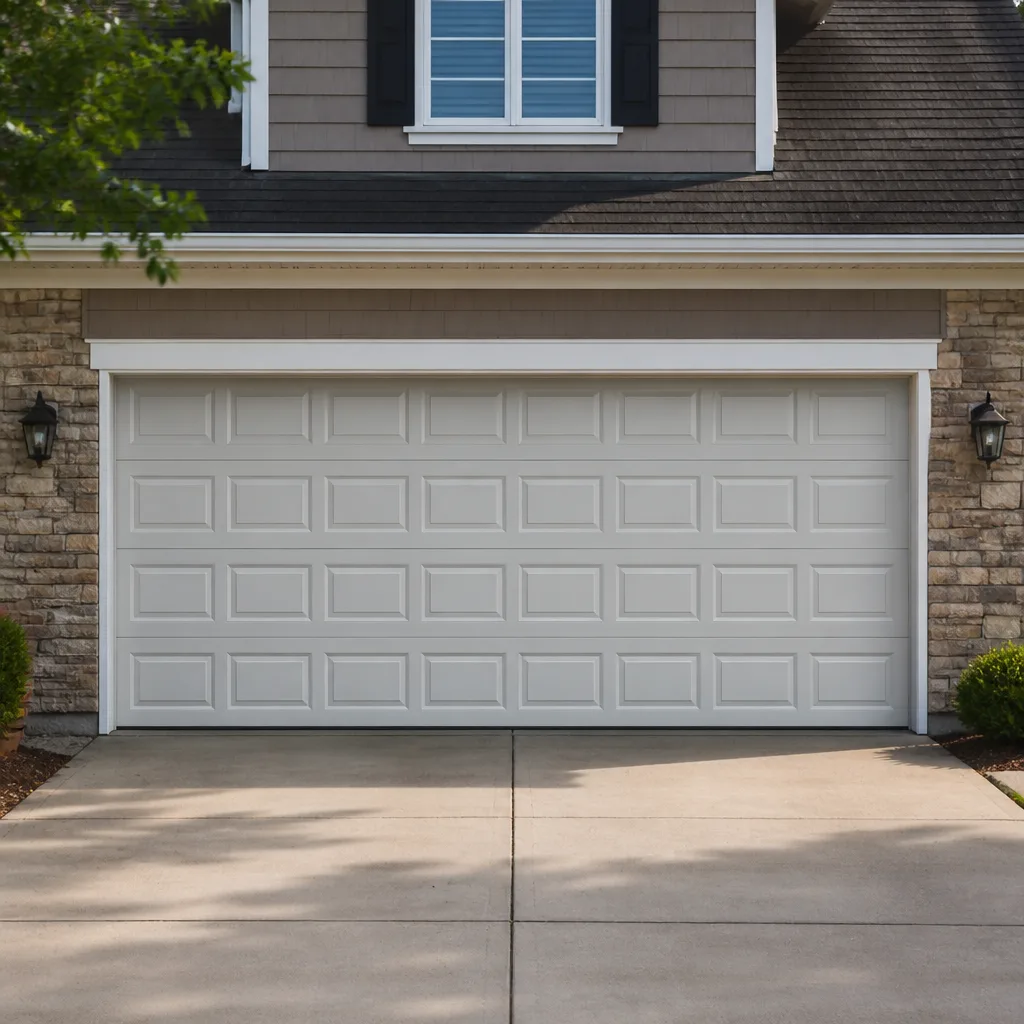 Raised-panel steel
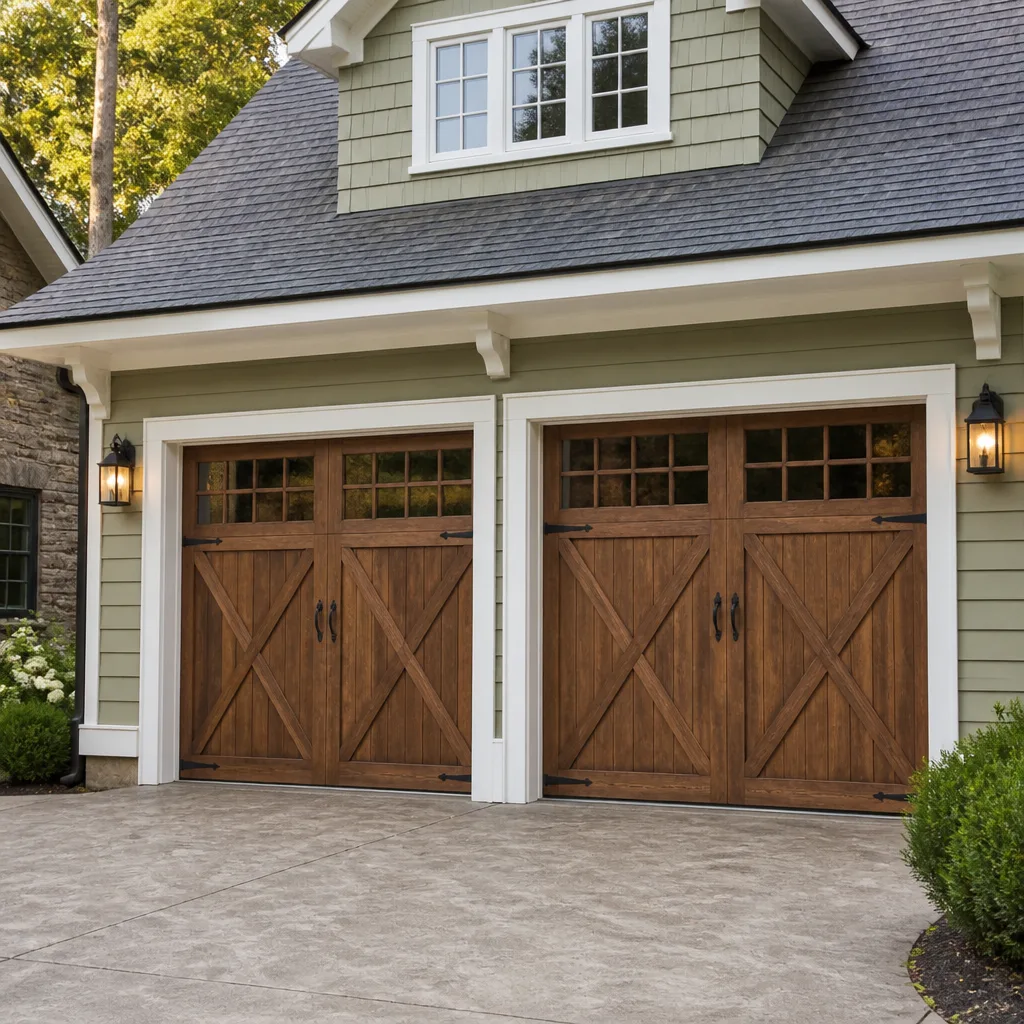 Carriage house
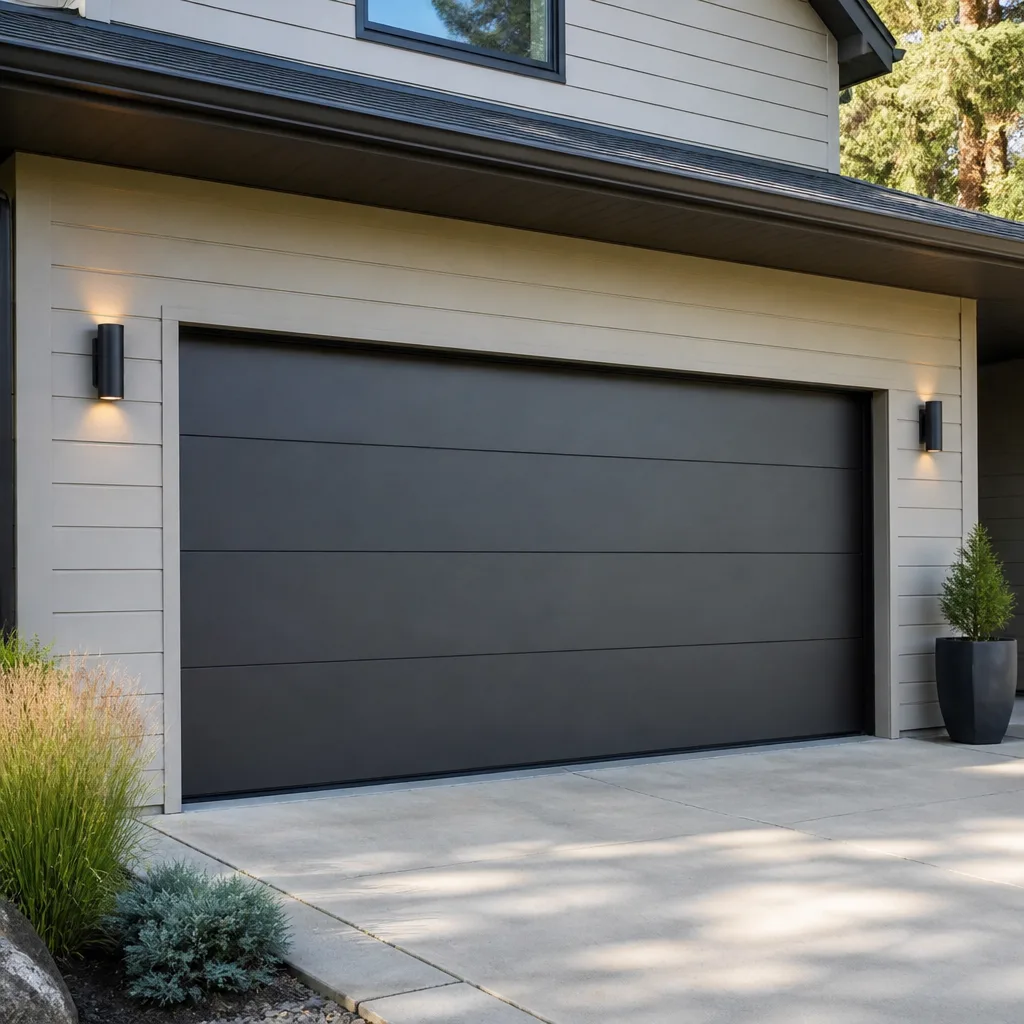 Modern flush
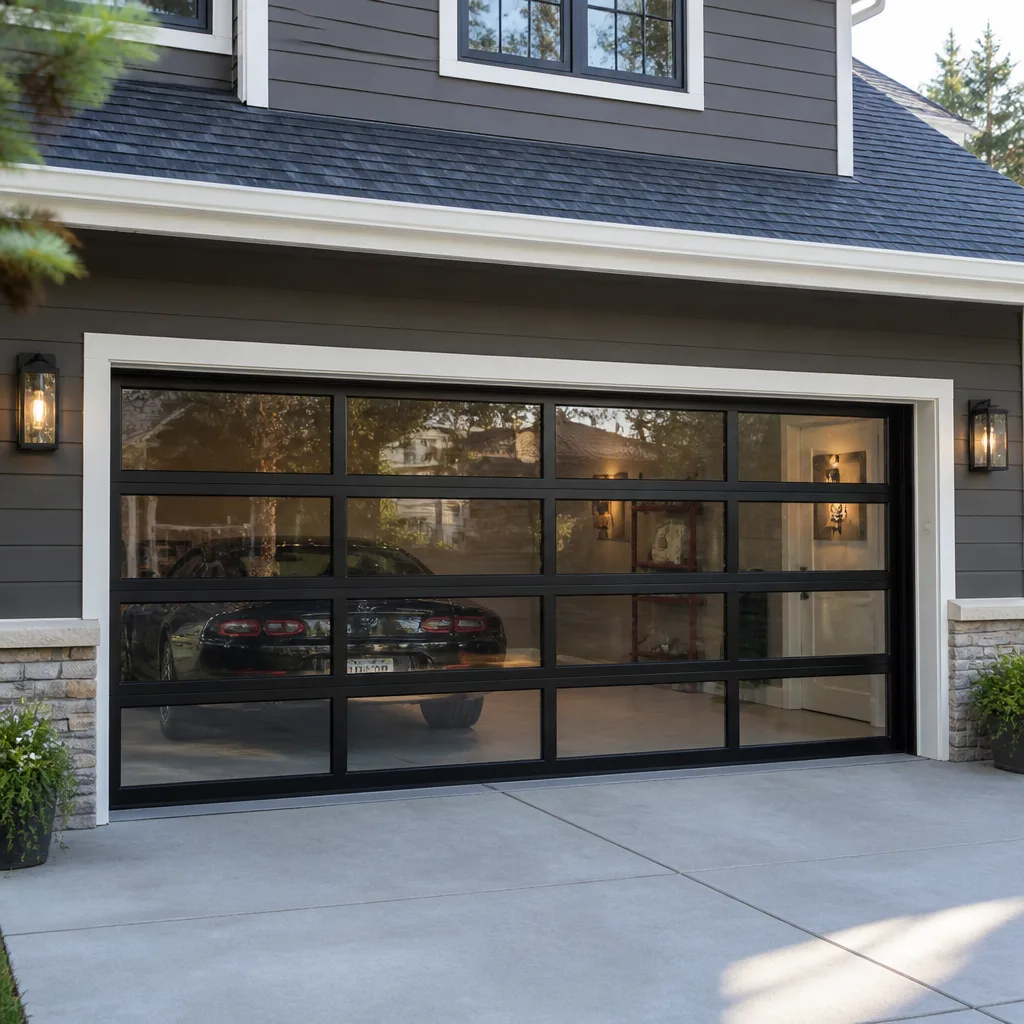 Full-view glass
 LiftMaster openers
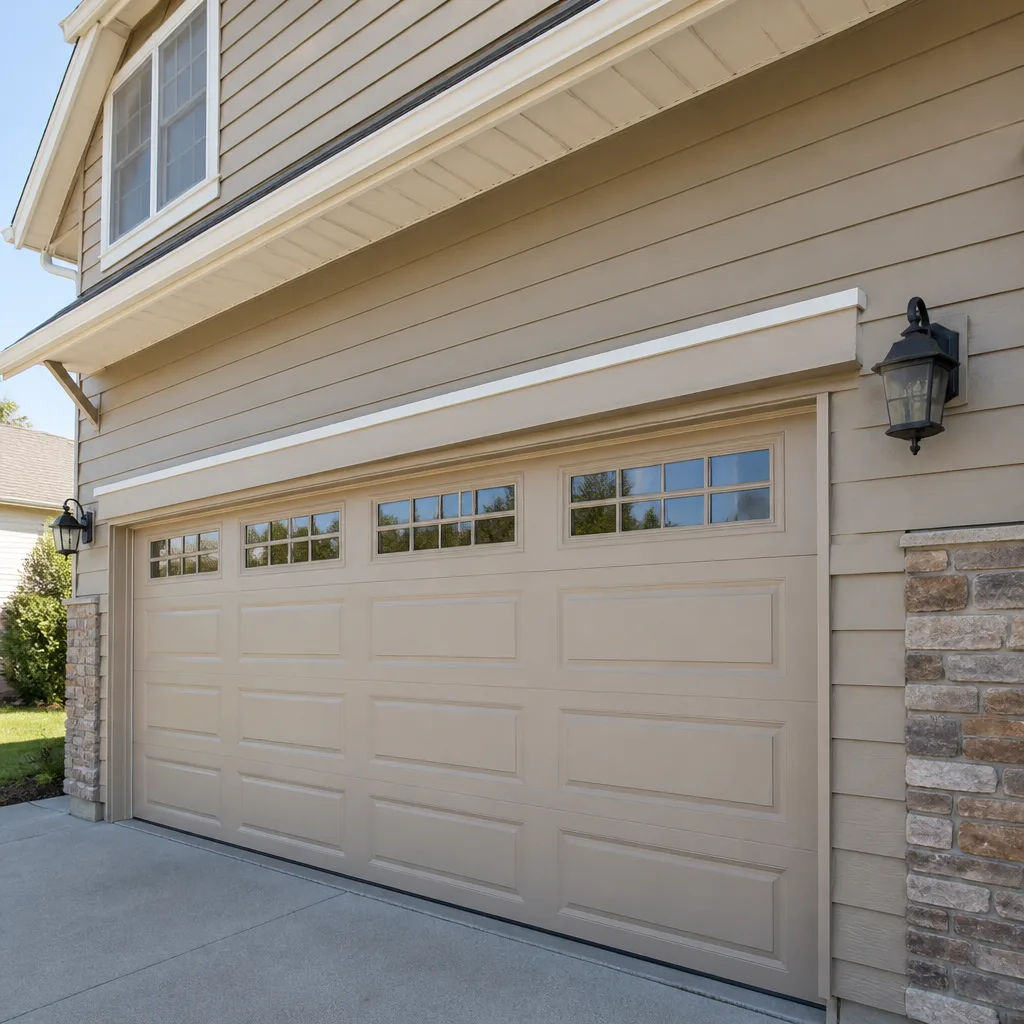 Chamberlain openers
Full 25-point door and opener safety check with every visit - springs, cables, rollers, tracks, and your LiftMaster or Chamberlain opener included
You get a price before we start. It does not change when the pro arrives.
Get your free estimateGarage Door Permits, Codes & Inspections in Brockton, MA: What You Need to Know
Here’s the part of a garage door project that surprises almost everyone in Brockton: the door itself is easy to understand, but the paperwork around it isn’t. Most homeowners assume that anything attached to a house on their own lot is their business alone, and that a permit is only for additions and new construction. In Massachusetts, that assumption can be expensive. A full door replacement is a structural change to a home, and depending on the scope, the City of Brockton wants to review it before the work begins. This guide explains where the line between repair and replacement sits, how the Building Department actually processes a residential permit, what an inspector looks at, and why doing this correctly now protects you at resale. If your springs have already let go and the door is stuck, the clock is running and the permit question still needs answering, so it’s worth reading this before you agree to anything. Our Garage Door Repair Brockton Pros team works through these questions with homeowners regularly, and the answers below reflect how the process actually goes here.
Quick Answer
A permit is generally required in Brockton when you’re replacing the entire garage door system, changing rough openings, altering the structural attachment, or installing a new door where none existed. A repair that swaps a spring, roller, cable, or opener in kind, without changing the door’s structure or size, typically does not need one. The safest way to know for certain is to call the City of Brockton Building Department with your address and the exact scope of work, because the answer depends on what the door is and what’s changing about it, not on what the job costs.
Styles & brands we work with
- Raised-panel steel
- Carriage house
- Modern flush
- Full-view glass
- LiftMaster openers
- Chamberlain openers
Table of Contents
- What Is the Threshold Between a Repair and a Replacement in Massachusetts?
- When Does a Garage Door Project Require a Permit in Brockton?
- How the City of Brockton Building Department Processes a Residential Permit
- What Inspectors Actually Check on a Garage Door
- Egress, Attachment, and the Two Things Inspectors Care Most About
- Who Pulls the Permit, and Why It Matters for Liability
- What an Unpermitted Door Means at Resale and in an Insurance Claim
- How Brockton’s Weather and Housing Stock Shape These Jobs
- A Permit Checklist for Brockton Homeowners
What Is the Threshold Between a Repair and a Replacement in Massachusetts?
The single most useful idea in this whole guide is that the repair-versus-replacement question is about scope, not price. A homeowner can spend a lot of money having a door re-tracked and re-hung and still be doing a repair. Another homeowner can spend less and end up with what a building department would classify as a replacement. The cost isn’t the deciding factor; what physically changes on the house is.
Massachusetts building regulation works from the scope of the work, and a garage door replacement tops out on the “repair” side for several reasons. Few of these jobs touch the load path or the rough opening. They also don’t touch the exterior envelope in a way that changes anything structural. Doors and openers sit in the vast middle of the code, where a local building department applies judgement to each project. Regional inspectors tend to treat the following as repairs that don’t need a permit:
- Replacing a torsion or extension spring, one or a matched pair
- Swapping rollers, hinges, or a bent track section in place
- Replacing cables and drums as a set on an existing door
- Installing or changing an opener on an existing door of the same size and type
- Adjusting the opener’s travel limits, force settings, or safety reverse
- Replacing weather seals, bottom rubber, or thresholds
- Repainting or refinishing an existing door
The same inspectors typically treat these as work that may cross into permitted territory:
- Removing an old door and installing a completely new one, including a different style or material
- Changing the rough opening size, headroom, or ceiling-mounted track layout
- Cutting into or altering the header, jambs, or framing around the opening
- Adding a garage door where a wall currently exists, or filling one in
- Any change to the door’s structural attachment to the frame, which is where a wind-rated door differs from a standard one
If you’re in Brockton and your job sits anywhere near that second list, make the call before you buy the door. The Building Department staff are used to the question, and they answer it based on the description of the work, not a sales pitch. That’s why we ask about the scope before we quote anything.
When Does a Garage Door Project Require a Permit in Brockton?
Brockton has a Building Department that handles residential permits on a case-by-case basis, applying the state code to the specific project. For a garage door, the deciding factors are almost always the same three: is the door being replaced as a unit, is the structure around the opening changing, and is the door an existing door or a new one.
Here’s how the answers usually fall out for homeowners across Brockton, from the Campello and Montello neighborhoods to the streets off Belmont and Crescent.
Jobs that usually need a permit
- Full door replacement where the existing unit is removed and a new one installed. This is the most common permitted garage door project in the city.
- Rough opening changes in any direction, including heightening a 7-foot opening to 8 feet, widening a single bay, or converting a single door to a double.
- Structural attachment changes, including re-hanging a door on new framing or installing a door rated differently from the original.
- New door openings cut into a wall where no door currently exists.
- Converting a garage to a habitable space or the reverse, which changes the door’s role entirely.
Jobs that usually don’t
- Spring replacement, single or pair, on an existing door
- Opener replacement or repair, including a swap to a newer LiftMaster, Chamberlain, or Genie unit of the same type
- Panel replacement on a sectional door, so long as the opening and attachment stay identical
- Routine adjustments, lubrication, balancing, and safety-reverse testing
There’s a grey zone in the middle, and it’s real. A homeowner who replaces every panel on a sectional door over two years has, mechanically, installed a new door. A homeowner who swaps a Raynor door for another Raynor door of the same size has also effectively installed a new door. Those cases are why the right answer is to ask Brockton’s Building Department, describe the job in plain terms, and follow what they say. The permit fee is small compared with a sale that stalls, and the phone call takes five minutes.
How the City of Brockton Building Department Processes a Residential Permit
Residential permits in Brockton follow a fairly standard Massachusetts sequence, and knowing the steps helps you plan a garage door project without surprises. The process below is the general path most homeowners experience. Specific paperwork and wait times vary, so confirm the current requirements directly with the department before you schedule anything.
Step 1: Confirm whether a permit is required
Call or visit the Building Department and describe the work: door type, door size, whether the rough opening changes, and whether the structural attachment changes. Note the person’s name and the date. That record matters if the requirements get clarified later.
Step 2: Gather the documentation
Most garage door applications need the property address, the property owner’s name and signature, a description of the work, the door manufacturer and model, and a drawing or manufacturer specification sheet showing dimensions and attachment. Some submissions also need a site plan showing the door’s position. If your homeowners association or an historic district commission has a say, bring that along too.
Step 3: Submit and pay
Submit the application in person or through whatever online portal the city is using at the time, and pay the permit fee. Ask for a copy of the application and fee receipt. Both come in handy later.
Step 4: Review
A reviewer checks the application against the code and either approves it or issues comments. Comments are common on rough-opening changes and on structural attachment questions. Fixing a comment and resubmitting is normal and doesn’t mean the project is in trouble.
Step 5: Issue the permit and post it
When the permit is issued, a copy is typically required to be posted at the job site during work. Make sure whoever is doing the work has a copy on hand before the first panel comes off.
Step 6: Schedule inspections
Most garage door permits involve one inspection after the door and opener are installed. Larger projects, or ones that involve framing, may require a rough-in inspection before the door goes on. Schedule the inspection yourself, or confirm that whoever is doing the work has scheduled it in their name.
Step 7: Close the permit
After the inspection passes, the permit is signed off and formally closed. Keep the closeout paperwork with your house file. It is the single document that answers the “was this permitted?” question years down the line, and it is the one nearly every homeowner forgets to keep.
What Inspectors Actually Check on a Garage Door
Garage door inspections are usually quick, but they’re not a formality. A Brockton inspector looking at a permitted replacement is checking that the installed door matches what was approved and that the system has been put together in a way that won’t hurt anyone. Knowing what they look at lets you prepare, and it helps you spot a shortcut when you see one.
Structural attachment
The inspector looks at the connection between the door’s tracks, brackets, and the framing around the opening. Headers, jambs, and the spring anchor plate are all part of what they check. A door that depends on drywall or trim for support instead of framing fails this part of the inspection, and it’s one of the more common corrections on jobs done quickly.
Opener safety reversal
Every opener installed or serviced on a permitted job has to demonstrate that it will reverse when it hits an obstruction. The inspector may place a test object in the door’s path and watch it reverse. They may also test the photo-eye safety sensors, which should be mounted low enough that a child or pet can’t crawl under the beam without the door stopping and reversing. This test is quick but it isn’t optional, and it applies to every brand we work with, from LiftMaster to Genie.
Egress and clearance
If the garage is attached to a dwelling, the inspector wants to see that the door doesn’t trap somebody inside the house or in the garage. That concern usually takes the form of checking that the door between the garage and the living space seals properly, and that the garage door itself is functional from both sides. Some inspectors also verify the clearance around the door is free of stored items during the test.
Balancing and operation
A door that is properly balanced stays at any point it’s stopped and doesn’t fly up or slam down. Inspectors check this by hand, and they may look at whether the spring and cable system is fully adjusted to hold the door correctly. A door that’s out of balance fails this check, and it’s also a safety problem regardless of the inspection.
The door matches the approved scope
Finally, the inspector compares the installed door against what came in on the application. If the door was specified as a particular model and a different one was installed, the inspection can be flagged. That’s why it pays to lock in the door model before the permit is submitted, not after the door has arrived on site.
Egress, Attachment, and the Two Things Inspectors Care Most About
When we talk to homeowners in Brockton about inspections, the same two concerns come up: how the door attaches to the house, and whether the garage door opening plays a role in the home’s egress. Neither concern is exotic. Both are worth understanding before the inspector arrives.
Attachment is a structural question, not a cosmetic one
A garage door weighs a surprising amount for a moving object, and the tracks and brackets have to carry that load into the framing every time the door goes up and comes down. A door installed into questionable framing can loosen over time, which shows up as the door drifting off-track, rubbing, or pulling brackets free. The inspector checks this because it’s the difference between a door that works and a door that eventually fails. If your home is older and the framing around the garage opening is unknown, that’s a reason to look closely before a replacement, not the reason to skip the permit.
Egress is about the door between the house and the garage
A garage door is not typically considered a required egress path, because most garages have a separate door between the garage and the living space. Inspectors are concerned with two things: that the garage door functions reliably, and that the fire separation between the garage and the house is intact. A missing or broken door between the garage and the house, or one without the required self-closing hardware, can be flagged even if the garage door replacement was done correctly. If your home was built with a sealed-up passage, or previous owners removed the interior door, the inspection is where it surfaces.
Who Pulls the Permit, and Why It Matters for Liability
When a permit is needed, the name on it matters. In Massachusetts, a permit is generally pulled by the property owner or by a licensed contractor working on the property. Owners can pull their own permits for work on their own homes, and that’s legitimate. But if a garage door company asks you to pull the permit on the grounds that “it’s faster that way,” think about what you’re taking on.
Pulling the permit in your own name means the inspection obligations, the code compliance, and any correction work fall on you. If the door fails inspection, you’re the one who has to schedule a follow-up and make the fix. If a question comes up later during a sale, you’re the one who signed the application, even though somebody else did the work. That’s why the safer path, on a permitted garage door replacement, is for the contractor doing the work to pull the permit in their company’s name.
Here is the sequence that keeps the responsibility where it belongs:
- Ask who pulls the permit. The answer should be clear before you agree to any quote. If the company says they don’t pull permits, that’s a signal about how they handle these jobs.
- Ask for the contractor’s license status. Massachusetts licenses contractors through the state, and you can verify a license before work starts. A contractor with a valid license can pull permits.
- Confirm the permit is in the contractor’s name, not yours, when they submit it.
- Ask for the permit number and a copy of the application and permit once it’s issued.
- Confirm who schedules the inspection. On a contractor-pulled permit, the contractor usually schedules it, and the owner confirms it’s been scheduled.
- Get the closeout paperwork after the inspection passes, and file it with your house records.
We’ve seen jobs in Brockton where the permit was pulled by the homeowner, the job was completed, and then nobody scheduled the inspection. The result was an open permit sitting on the property for years, which is a bigger problem than a single door install. That’s why we walk through this list with every homeowner before we agree to a scope that requires a permit, and we make the responsibility explicit rather than being clever about it.
What an Unpermitted Door Means at Resale and in an Insurance Claim
Most of the time, a garage door replacement that didn’t need a permit never becomes an issue. When it does become an issue, it’s rarely during the project itself. It comes up later, during a sale or a claim, when somebody else starts asking questions about the house and the paperwork catches up.
At resale
Title companies and buyer inspections frequently ask for permit history on a home. When a permitted garage door replacement doesn’t show up in the record, a buyer’s inspector may note it as “recent work, no permit on file.” That doesn’t automatically kill a sale, but it hands the buyer negotiating leverage, and it can delay a closing while the seller tries to get a permit retroactively. Some municipalities won’t issue a retroactive permit without an inspection of the existing work, and if that inspection fails, the cost comes out of the seller’s pocket. On a permitted garage door replacement, none of that comes up, because the closed-out permit answers the question immediately.
In an insurance claim
Homeowners insurance coverage is based on the property as it is, and a substantially changed structure that wasn’t permitted can complicate a claim. The point isn’t that every claim gets denied. The point is that a garage door replacement is a structural change, and structural changes are exactly the kind of thing an adjuster asks about after a loss. If the claim is about the door itself, or about damage to the door and the opening around it, the adjuster will want to know who installed it and whether the installation was permitted. A closed permit and inspection record answers that question; the absence of one invites a longer conversation.
The fix if you already have an unpermitted door
Homeowners ask about this regularly. The path is to call the City of Brockton Building Department, explain the situation honestly, and ask what they require to bring the installation into compliance. In most cases that means a permit application and an inspection of the work as it exists. Some installers will do clean work that passes retroactively; some won’t. Either way, finding out what’s required and doing it before a sale is far less disruptive than discovering it during one.
How Brockton’s Weather and Housing Stock Shape These Jobs
Brockton’s climate is a real factor in garage door projects, and it shapes the kinds of questions the Building Department hears and the kinds of corrections inspectors make. This is New England weather: freeze-and-thaw cycles in late winter, heavy rain in spring, and humid summers. That’s the condition every door on a Brockton property has to work reliably in.
Freeze-and-thaw and the door’s moving parts
Brockton gets cold enough to freeze the ground solid and then warm enough to thaw it days later. That cycle works on garage door hardware. Rollers stiffen, cables contract, springs take on more tension, and wood framing around the opening swells and shrinks. A door installed in October may need adjustment by February just from the temperature swings. On a permitted replacement, the correct installation accounts for this; on a shortcut job, the door may be fine on the day it’s installed and out of true a few weeks later.
Housing stock and structural attachment
Brockton has a wide range of housing. There are older homes with original framing and additions layered on over decades, mid-century homes built to a consistent standard, and newer construction that follows current code. Older garages often have framing around the opening that’s a genuine surprise to an installer. Inspectors in these homes care about the attachment point more than they would in new construction. Nothing about this makes a garage door replacement harder; it just makes the inspection step worth doing correctly.
Snow load and door clearance
A door installed into an existing opening has to work with the clearance the roof and framing already provide. When a door is replaced with a different style or a taller unit, that clearance can become a code question. That’s the sort of project where a permit review is genuinely useful, because it catches a fit problem before the door goes on instead of after.
A Permit Checklist for Brockton Homeowners
Here’s the short version, in the order the work usually happens. Print it out or save it before you sign anything.
- Describe the project to the City of Brockton Building Department and ask if a permit is required. Note the person, date, and answer.
- Confirm the scope. Door replacement, rough opening change, or attachment change? Each answer changes the permit answer.
- Get the door model and specification sheet from the company you’ve chosen. You’ll need it for the application.
- Confirm who pulls the permit. The contractor doing the work should pull it in their name.
- Verify the contractor’s license and ask about insurance. Do both before work starts.
- Pay the permit fee and keep the receipt.
- Post the permit at the job site. Whoever is doing the work should have a copy.
- Schedule the inspection after installation, and confirm it was scheduled.
- Attend the inspection if you can, or ask the contractor for a report of the result.
- Keep the closeout paperwork with your house file. A scanned copy in the cloud is even better.
Common Mistakes to Avoid
- Treating a full door replacement as a repair. The most common mistake we see is homeowners assuming that because a spring swap doesn’t need a permit, a full new door doesn’t either. The scope changes the answer, not the cost.
- Letting the contractor talk you into pulling the permit yourself. On a permitted job, the permit should be in the contractor’s name so the responsibilities fall where they belong. Pulling it in your own name puts the inspection and correction obligations on you.
- Not keeping the closeout paperwork. A closed permit is the only document that answers “was this permitted?” years later, and it’s the one homeowners lose.
- Skipping the inspection “just this once.” An open permit sits on the property until it’s closed, which is a bigger problem at resale than a single inspection would have been during the project.
- Installing a door without a permit and then selling. This is the scenario that stalls closings. The cost of a permit is small compared with the leverage a buyer gets from a discovered shortcut.
- Assuming a permit is needed when it isn’t. The reverse mistake is real too: homeowners pay for a permit on a spring swap or an opener swap that never needed one. Call the Building Department and ask; the answer takes five minutes.
- Ignoring the interior garage door. Inspectors sometimes flag the passage door between the garage and the living space during a garage door inspection. Handle that repair alongside the door replacement and save a return visit.
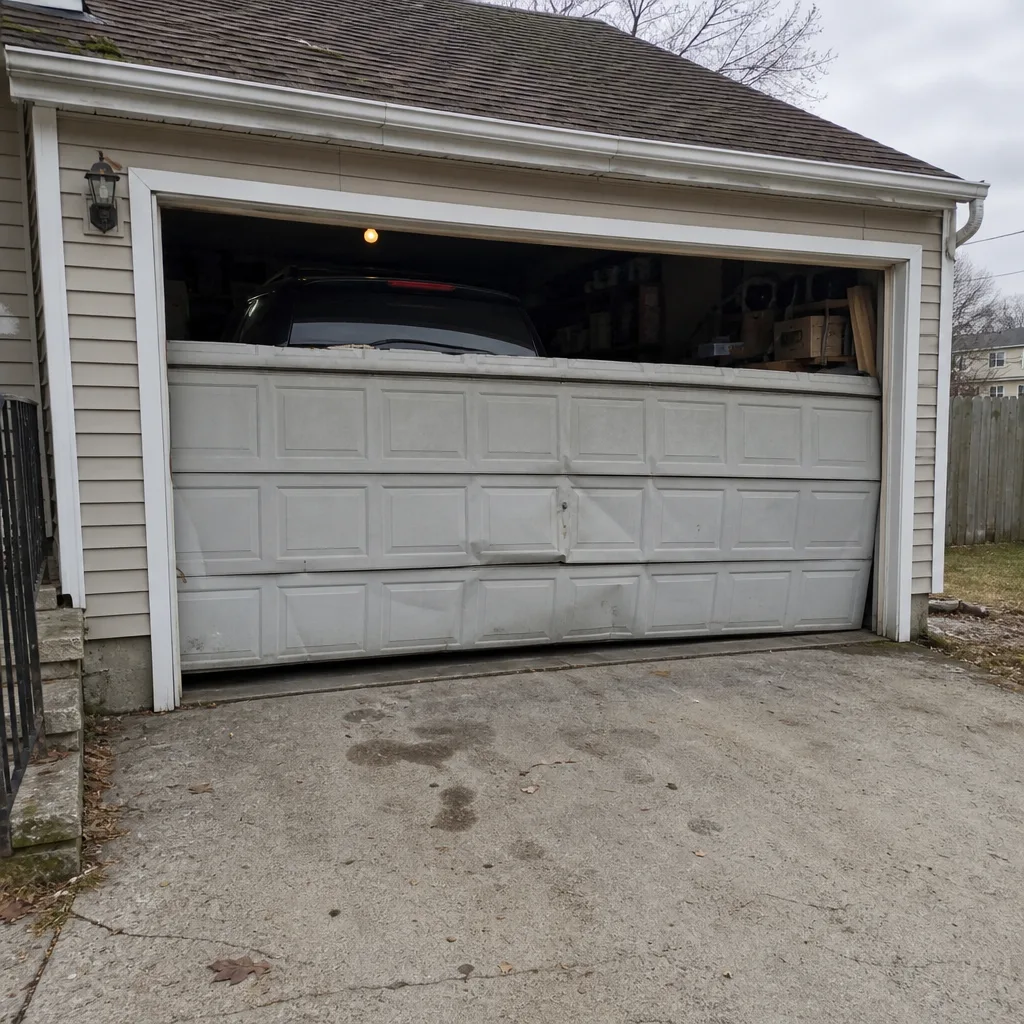
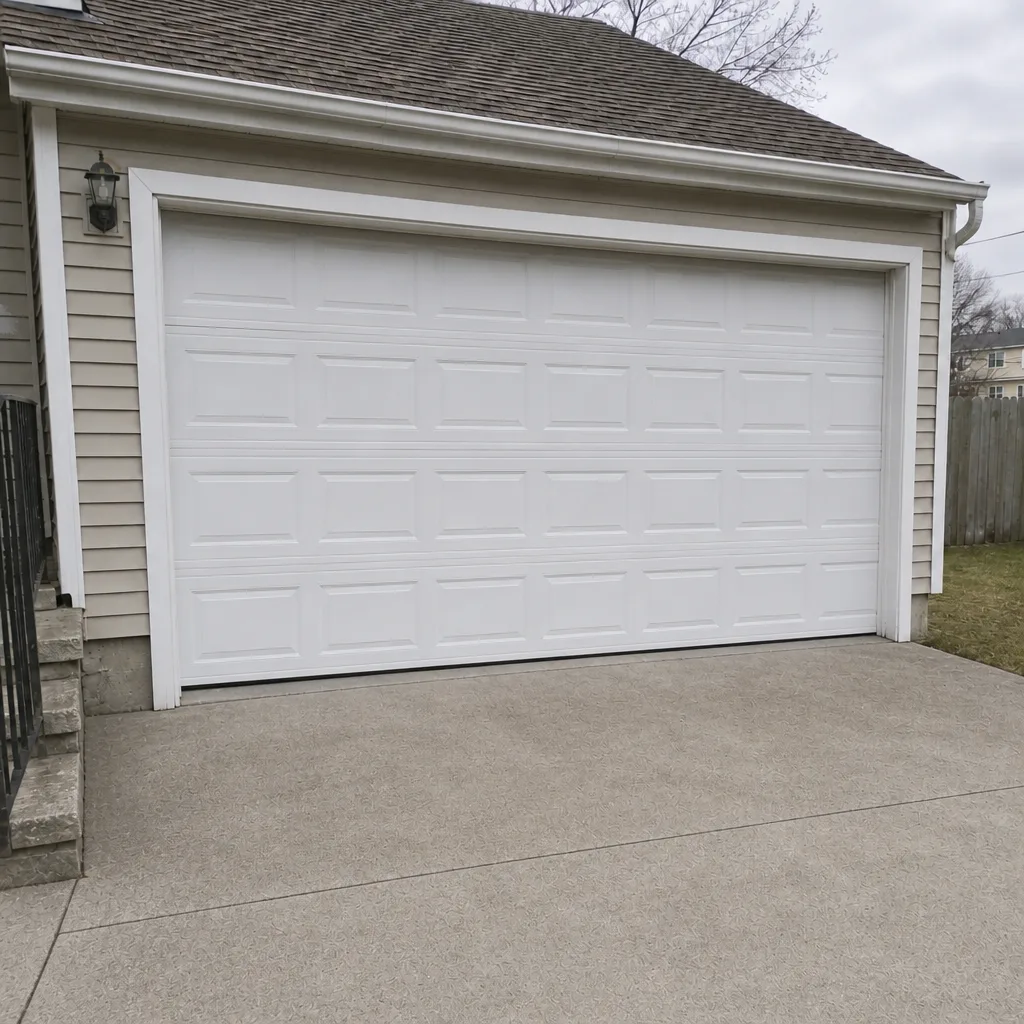
See the difference
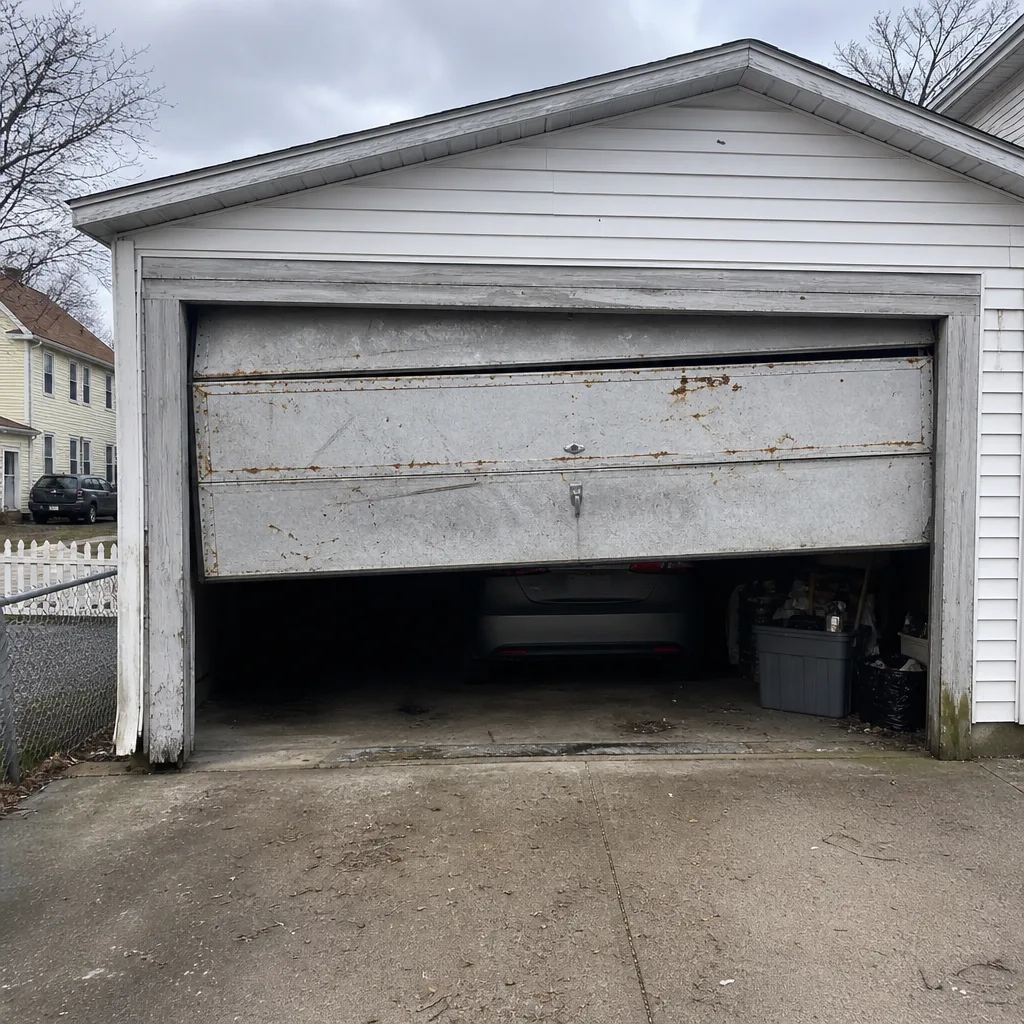 Before
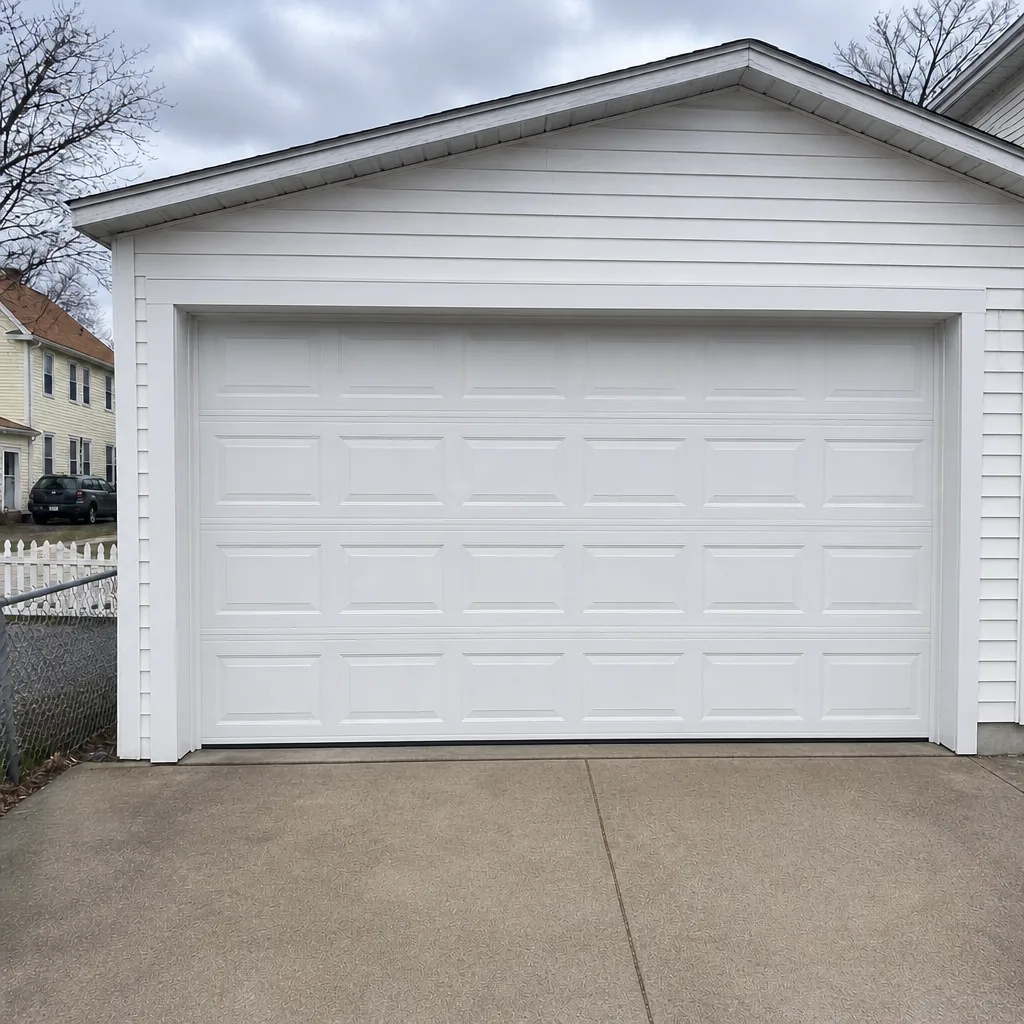 After
 Before
 After
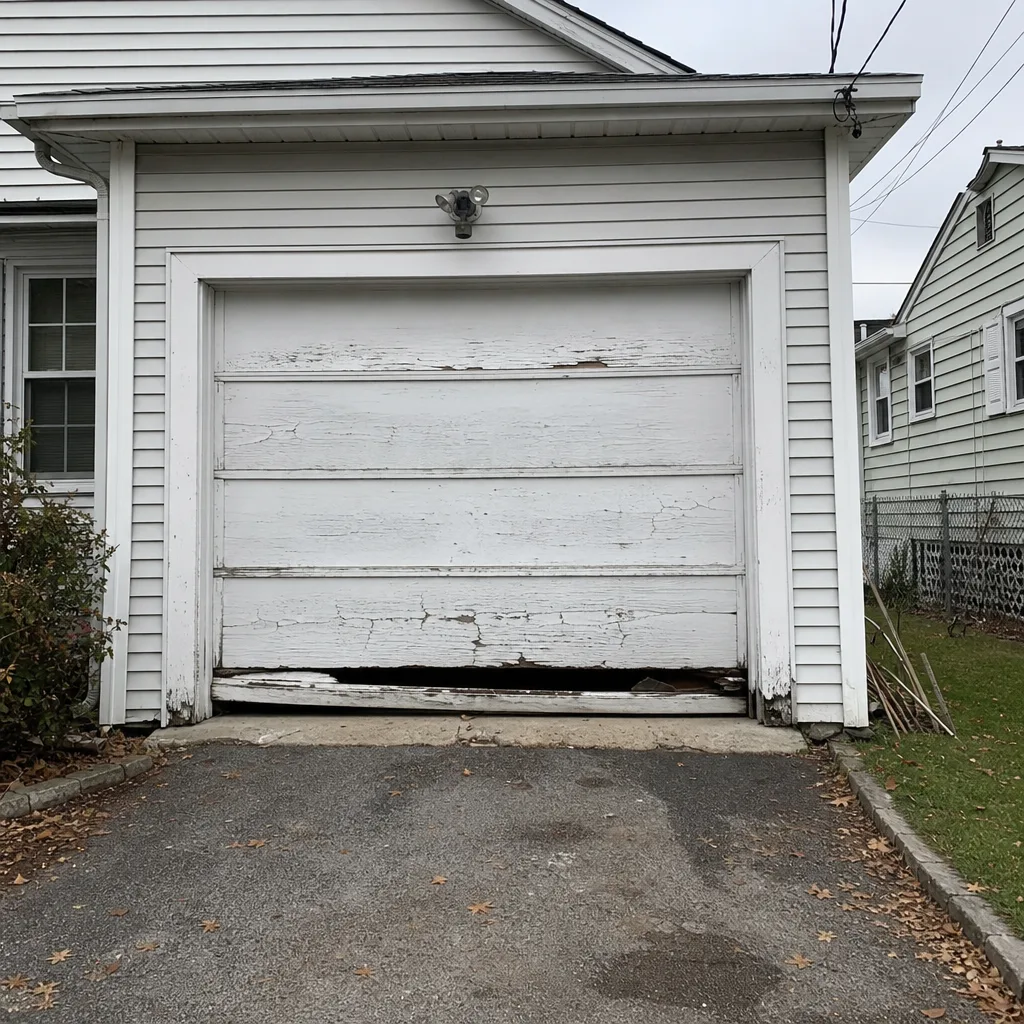 Before
 After
When to Call a Professional
Some of what this guide covers is paperwork you can handle yourself. Some of it is work nobody should do on their own. High-tension torsion springs carry enough force to cause serious injury when they fail unexpectedly, and the cable and drum assemblies on a modern door are just as unforgiving. If your door is off-track, the cables are slack or snapped, or the door has pulled loose from its framing, that’s a trained professional’s job. The same goes for an opener that reverses inconsistently, or wiring questions around the operator, and for anything involving the frame around the opening. Our technicians have up to 14 years of experience with these systems, and we handle garage door repair and garage door spring repair as routine work, along with garage door opener repair for LiftMaster, Chamberlain, and Genie units. Garage Door Repair Brockton Pros offers free estimates in Brockton. Call (833) 508-9262. We answer 24/7. Fast dispatch from 7am to 7pm, Sunday through Friday.
Frequently Asked Questions
In most cases, yes. A full garage door replacement in Brockton generally requires a residential building permit from the City of Brockton Building Department, because replacing the entire door is a structural change to the home. Simple repairs like a spring, roller, or opener swap typically do not. Call the Building Department with your address and the exact scope of work to confirm, and keep a record of the answer.
Usually not. Swapping a garage door opener for another unit of the same type on an existing door is treated as a repair in most Massachusetts municipalities, and Brockton generally follows that practice. If the opener install involves new wiring runs, a new circuit, or a rough opening change, the permit rules may change. When in doubt, ask the Building Department before you buy the opener.
Residential permits in Brockton move on the city’s timeline, not a set schedule. Simple applications with complete documentation get reviewed faster than ones with rough-opening or framing changes. The realistic approach is to submit a complete application with the door model and specification sheet included, then plan the install around the review rather than promising the job for a particular week. Confirm the current processing time with the Building Department when you call.
A contractor licensed in Massachusetts can pull the permit in their company’s name, and that’s the arrangement you want. It places the inspection obligations and the correction work on the company doing the work rather than on you. Property owners can pull their own permits for work on their own homes, but doing so shifts the responsibility back to you. Ask directly who will be named on the application before you agree to any quote.
Nothing happens right away in most cases, but the problem can surface at resale or during an insurance claim. A buyer’s inspector may note the work as unpermitted, which gives the buyer negotiating leverage and can delay a closing. The path forward is to contact the City of Brockton Building Department, explain the situation, and ask what’s required to bring the installation into compliance. That usually means a permit application and an inspection of the existing work, so it’s worth doing before a sale rather than during one.
Yes. Most garage door repairs in Brockton do not require a permit, including spring replacement, roller and hinge swaps, cable replacement, track adjustments, and opener repair or replacement on an existing door. The work has to stay within the same door and the same opening to remain a repair. If the scope grows into a full replacement or a rough opening change, the permit question comes back into play. Call (833) 508-9262 for a free estimate on the repair itself.
The Bottom Line
A garage door replacement is one of those projects where the physical work is quick and the paperwork is what protects you. In Brockton, replacing a full door generally needs a permit, repairing a spring or opener generally doesn’t, and the safest way to know which side of that line you’re on is to call the City of Brockton Building Department with your specific scope. Pull the permit in the contractor’s name, keep the closeout paperwork, and don’t let a shortcut on the permit create a problem at resale. Our team handles both repair and replacement in Brockton, works across LiftMaster, Chamberlain, Genie, and Raynor systems, and can walk you through the permit question before any work begins.
Call Garage Door Repair Brockton Pros at (833) 508-9262 for a free estimate. We answer 24/7. Fast dispatch from 7am to 7pm, Sunday through Friday. The estimate is free, the price is set by the written estimate, and the written estimate is the price you pay.
Written by the team at Garage Door Repair Brockton Pros.