
Last updated November 22, 2026
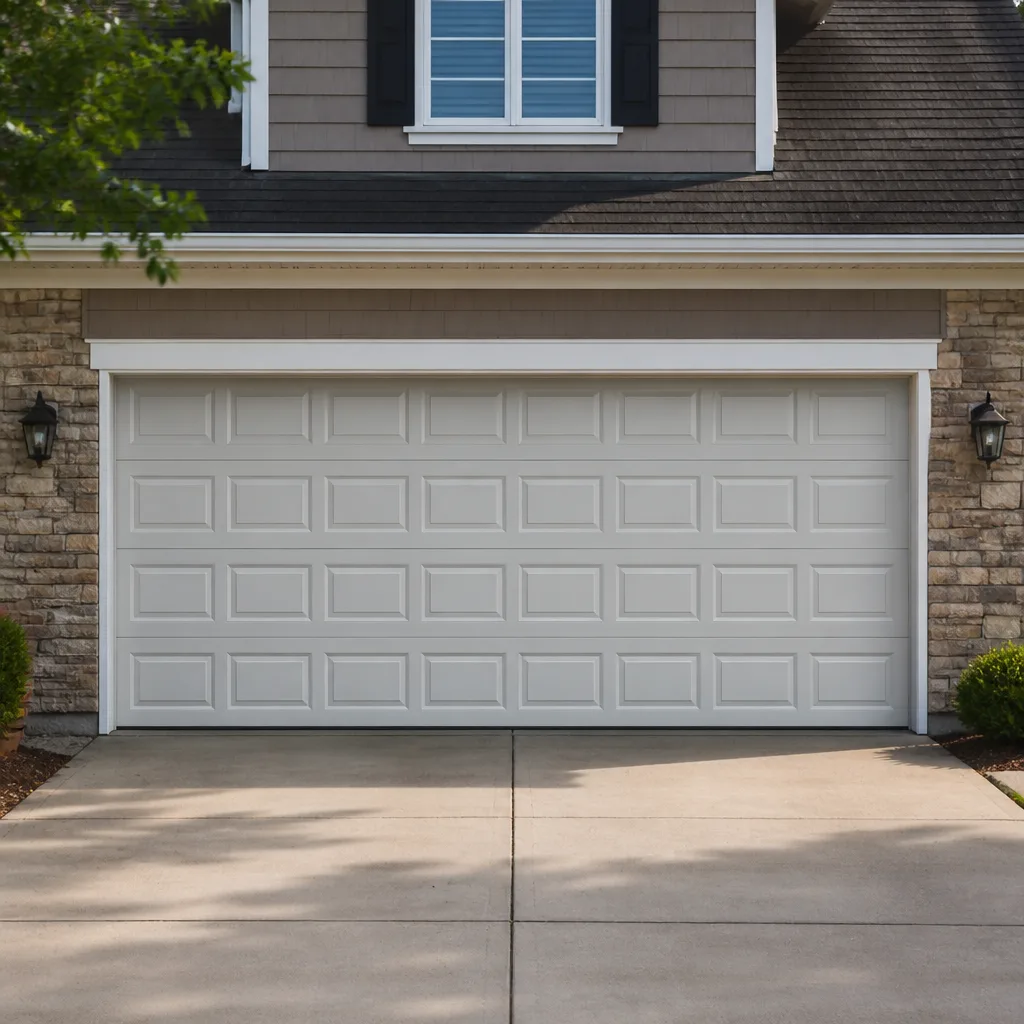 Raised-panel steel
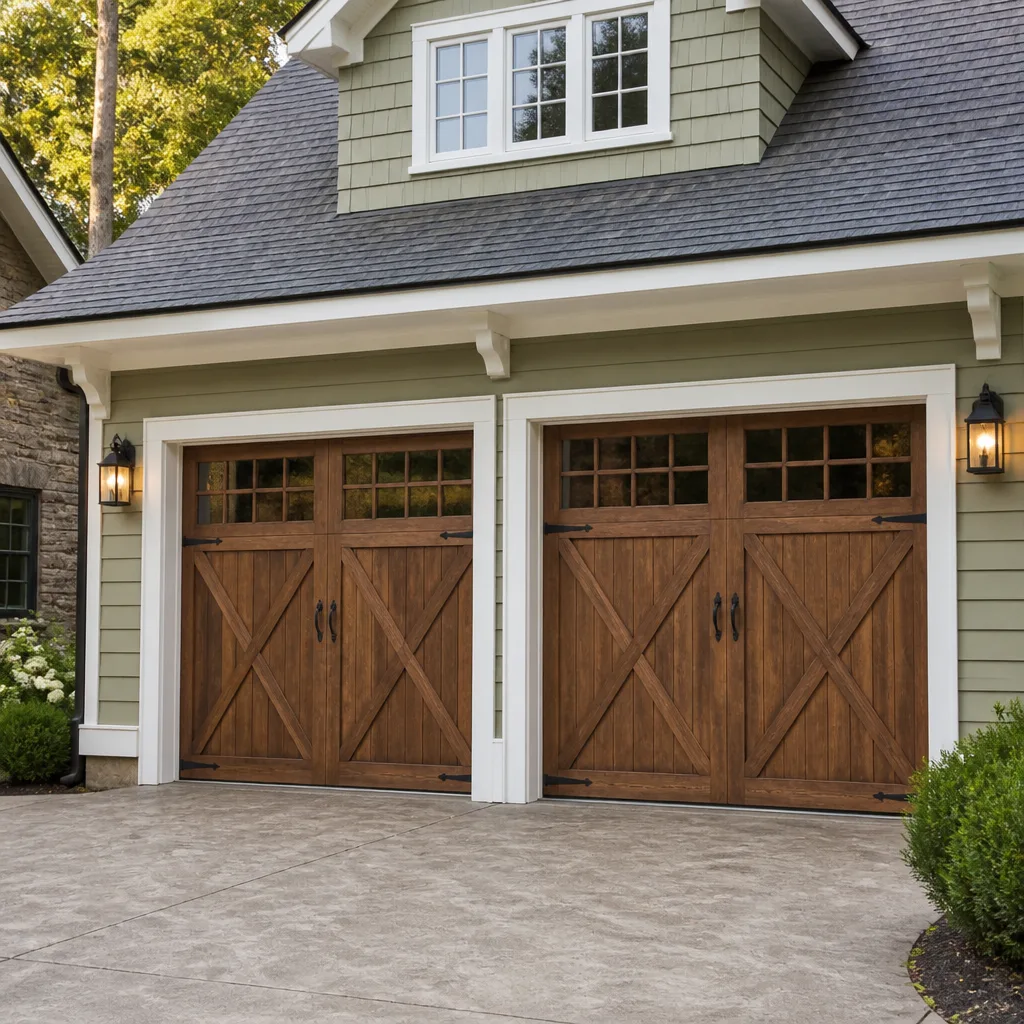 Carriage house
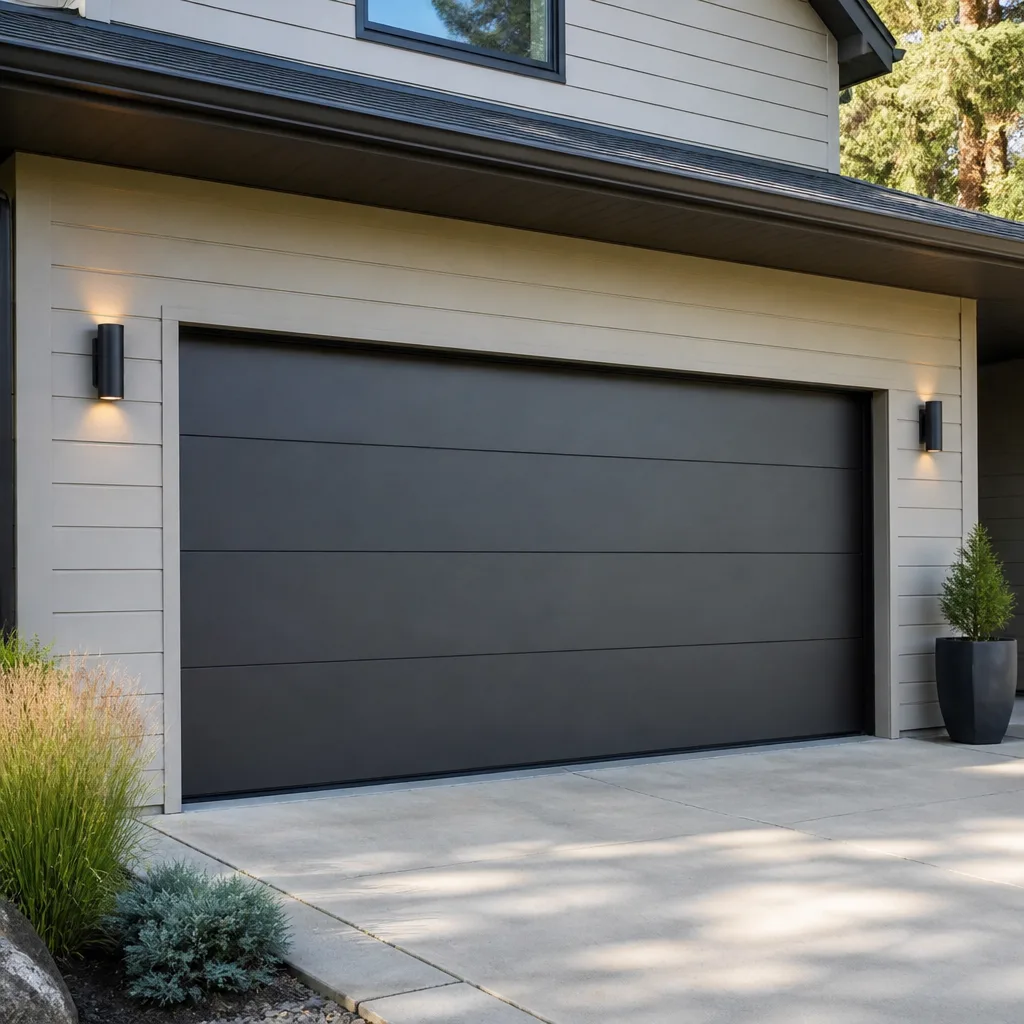 Modern flush
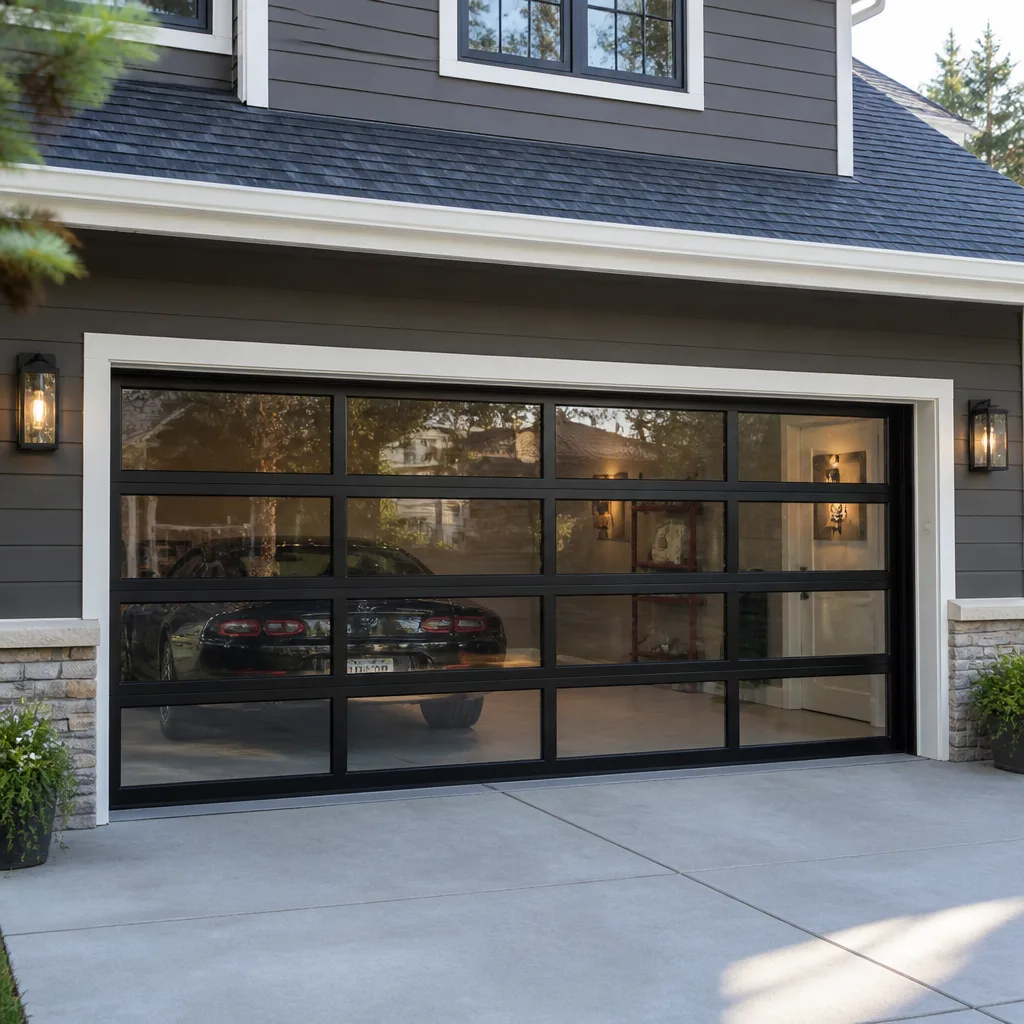 Full-view glass
 LiftMaster openers
 Chamberlain openers
Full 25-point door and opener safety check with every visit - springs, cables, rollers, tracks, and your LiftMaster or Chamberlain opener included
You get a price before we start. It does not change when the pro arrives.
Get your free estimateGarage Door Warning Signs: A Brockton Homeowner’s Reference Guide
A garage door that hesitates for half a second before moving isn’t being slow. It’s telling you something in the system is working harder than it should. Most failures in Brockton don’t happen without warning. They build quietly over weeks: a new rattle, a slight tilt, a remote that suddenly needs two presses instead of one. The problem is that most homeowners don’t have a baseline for what normal looks, sounds, and feels like, so they miss the cues until a spring snaps or a cable lets go. This guide gives you that baseline. You’ll learn which sounds are just loose hardware, which ones mean stop using the door today, what uneven movement says about your springs, and how to check your own cables from the floor without touching anything dangerous.
Quick Answer
The most serious garage door warning signs in Brockton are a door that moves unevenly, a grinding or snapping sound under load, visible fraying or slack in a cable, and a door that reverses or won’t stay closed. These point to spring, cable, or track problems that can fail suddenly. Minor squeaks, loose bolts, and a remote that occasionally needs a second press are usually quick adjustments, not emergencies.
Styles & brands we work with
- Raised-panel steel
- Carriage house
- Modern flush
- Full-view glass
- LiftMaster openers
- Chamberlain openers
Table of Contents
- What Normal Actually Looks, Sounds, and Feels Like
- Sounds Worth Ignoring vs. Sounds That Mean Stop
- Uneven Movement: What One Side Dropping Faster Tells You
- When Your Opener Isn’t the Problem
- The Visual Cable Check You Can Do From the Floor
- Severity Classification: Monitor, Schedule, or Stop
- Testing Door Balance in Two Minutes
- How Brockton Weather and Housing Age Affect Your Door
What Normal Actually Looks, Sounds, and Feels Like
Before you can spot a warning sign, you need a baseline. A healthy garage door is boring. It moves at a steady speed from the moment it starts to the moment it stops. It makes one consistent sound, and that sound doesn’t change from day to day. When you pull the manual release and lift the door by hand, it should move with even resistance and stay where you leave it.
Here’s the baseline to memorize. You can check all of this in under a minute:
- Sound: a low, even hum from the opener and a soft roll from the wheels in the track. No grinding, no snapping, no metal-on-metal scraping.
- Motion: both sides rise and fall at the same rate. The door doesn’t tilt or lag on one side.
- Balance: a door opened halfway by hand stays put. It doesn’t drop or rise on its own.
- Remote: one press opens or closes it. Every time.
- Visual: straight panels, aligned tracks, no daylight gaps along the sides or bottom.
- Reversal: the door reverses when it meets an obstruction. That’s the safety sensor doing its job.
If any of those drift from normal, that’s your signal to look closer. A garage door in Brockton goes through a lot of temperature swing from season to season, and metal expands, contracts, and shifts with it. Small changes are normal. Changes that stay changed are not. The rest of this guide walks through each warning sign and what it actually means.
Sounds Worth Ignoring vs. Sounds That Mean Stop
Not every noise is a warning. A door that squeaks as it rolls is telling you a hinge or roller needs attention, and that’s a low-risk fix. A door that grinds, snaps, or pops under load is telling you a high-tension component is under strain, and that’s a different conversation. The distinction matters because the second category can fail without warning, and the consequences get serious fast.
Sounds you can monitor
- A steady squeak from the hinges or rollers. Usually a lubrication or tightening issue.
- A rattle over rough pavement or a slight clatter when the door reaches the top. Loose hardware, most of the time.
- A soft thump when the door seats. Normal for many doors, especially heavier ones.
- A buzz from the opener housing. Normal on many models, though louder than usual can mean wear.
Sounds that mean stop using the door today
- A sharp snap or bang from above the door. That’s usually a torsion spring failing. Do not keep cycling the door. The opener may lift one side, twist the panels, and cause more damage.
- Grinding or scraping metal-on-metal under load. Often a cable or torsion assembly under strain or a roller seized in the track.
- A whipping or slapping sound from the sides. A cable has likely come loose. Cable tension changes can be sudden, and a loose cable is dangerous.
- A heavy clunk, or the door dropping a few inches. A spring or cable has failed. Stop using the door.
This is where the safety line sits. The torsion spring and the cables are the highest-tension parts of the whole system. They’re also the two parts you should never try to adjust, loosen, or replace yourself. Even a door that looks still can hold stored energy in the spring that will release without warning. Our technicians have up to 14 years of experience, and they treat this part of the job with the respect it deserves.
Uneven Movement: What One Side Dropping Faster Tells You
If one side of your door lags or drops faster than the other, the door is out of balance, and the cause is almost always in the spring or cable system. Watch the gap along the top of the door as it closes. On a healthy door, that gap closes evenly. On an unbalanced door, one side lands first, and the panel visibly tilts. If you have to look twice, the door is telling you something.
Here’s what uneven movement usually points to:
- One torsion spring has weakened or broken. Many two-car doors use a pair of torsion springs. When one goes, the door stays up but tilts as it moves.
- A cable has stretched, slipped, or come off its drum. The side with the cable issue rides higher or lower than the other.
- A roller has seized or come out of the track. Less dangerous than a spring, but it can drag the door off alignment.
- The track itself is bent or out of plumb. Often after an impact, sometimes after a slow shift over years of freeze and thaw.
An unbalanced door puts uneven load on the opener. That’s why an uneven door is often the first clue to a problem the homeowner will later describe as “my opener is wearing out.” It usually isn’t. Uneven movement gets worse, not better, and it’s one of the situations where we recommend scheduling service rather than waiting.
When Your Opener Isn’t the Problem
An opener that suddenly needs two or three presses to move the door is usually not the problem. Most of the time, the door itself has gotten heavier than the opener can lift comfortably. That resistance comes from a weakening spring, a dry roller, a dragging track, or a door that’s gone out of balance. The opener is doing what it can with an increasingly stubborn load. When that load gets too high, the opener burns out its gear or motor, and then you have two problems instead of one.
That pattern shows up most on older openers, and we see it on the common residential lines: LiftMaster, Chamberlain, Genie, and Craftsman. These systems are reliable, but they’re also specific. A generic diagnosis will tell you the opener is failing and sell you a new one. A brand-specific diagnosis will tell you the door is the actual load, and the opener is a symptom. We work on these systems specifically, and we carry out garage door opener repair with the actual control system in front of us, not a one-size-fits-all checklist.
How to tell opener from door
- Pull the manual release (the red cord) to disconnect the opener from the door.
- Lift the door by hand halfway. It should move easily. If it takes real effort, the problem is the door.
- Let go at the halfway point. A balanced door stays put. One that drops or rises is out of balance.
- If the door moves easily by hand but the opener struggles, the opener needs a look. If the door is heavy, the door needs a look.
This is a quick check and doesn’t involve touching any high-tension components. It does tell you where to point the conversation when you call. For more on the door side of that split, our garage door repair service takes that from there.
The Visual Cable Check You Can Do From the Floor
You can check your cables for warning signs without touching them. Stand in front of the door with the door closed, or open and fully stopped, and look at the cables along the sides. They run vertically from the bottom bracket up to the drum at the top of the door. You don’t need a ladder. You don’t need to touch anything. You just need to know what to look for.
Here’s the visual checklist:
- Fraying. Individual wire strands sticking out from the cable. A frayed cable is a weakened cable.
- Kinks. A sharp bend in the cable. Kinks create weak points that can fail under load.
- Slack. A cable hanging loose on one side while the other side is tight. The cable has come off its drum or slipped.
- Rust or corrosion. Surface rust that’s pitted into the wire.
- Uneven tension. One cable tight, one loose, on a door at rest. That’s an unbalanced system.
- Cable off the drum. Visible cable wound outside the spool at the top. Stop using the door.
Anything on that list except the lightest surface rust means stop using the door and call for service. Do not try to re-tension, adjust, or re-seat a cable. Cables carry the same tension as the springs they work with, and a botched DIY adjustment is one of the few ways to turn a fixable problem into an injury.
Severity Classification: Monitor, Schedule, or Stop
Every warning sign falls into one of three buckets. This is the mental model that makes the guide useful when you’re standing in your driveway trying to decide what to do next. Here’s how we’d classify the common ones.
Monitor (check again in a week)
- Light squeaking from hinges or rollers.
- A remote that occasionally needs a second press in cold weather.
- Very light surface rust on the bottom brackets or track.
- A slight rattle that goes away when the door is fully open.
Schedule service (this week, not next month)
- Persistent grinding from the opener or track.
- Visible bending in a track, or a roller that’s popped halfway out.
- A door that’s gotten noticeably slower to start.
- Uneven movement that you can see but isn’t dramatic.
- A remote that needs two presses reliably, every time.
Stop using the door today (call now)
- A snap or bang from above the door, followed by the door not lifting.
- A door that drops or slams when it closes.
- A broken or visibly damaged torsion spring.
- A frayed, kinked, slack, or fallen cable.
- A door off its track and hanging.
- A door that reverses without any obstruction in the path.
The “stop today” list is the emergency one. These are the situations where a home is unsecured or a car is trapped, and every cycle of the door makes things worse. That’s what emergency garage door service is for, and it’s a real part of what we do, not an upsell. Call (833) 508-9262. We answer 24/7. Fast dispatch from 7am to 7pm, Sunday through Friday.
Testing Door Balance in Two Minutes
The manual release test is the single most useful thing you can do once a month to catch problems before they get expensive. It takes two minutes, doesn’t touch any high-tension part, and tells you the state of your spring and track system in plain terms. Here’s the full sequence.
- Close the door fully and let it come to a stop.
- Pull the red manual release cord to disconnect the door from the opener.
- Lift the door by hand, evenly, to about waist height.
- Let go. A properly balanced door stays where you left it.
- If the door drops, the spring is weak. If it rises, the spring is over-tensioned.
- Lift the door the rest of the way by hand, then lower it and check for even movement on both sides.
- Re-engage the opener by cycling it. On most LiftMaster and Chamberlain openers, the trolley re-engages on the next cycle.
A door that drops on that test is a door running on borrowed time. The springs are doing less than their share, and the opener is picking up the difference. That’s the pattern that ends with a burned-out motor and a snapped spring in the same week. If your door fails the balance test in Brockton, get it in front of a technician before the next cold snap.
How Brockton Weather and Housing Age Affect Your Door
A garage door in Brockton works through a wider temperature swing than the door itself wants. Hot, humid summers followed by hard freezes are hard on the whole system. Metal expands in the heat and contracts in the cold, which works hinges and rollers loose over the course of a year. Springs do the same: they’re always under tension, and the seasonal shift adds a small amount of strain on every cycle. A spring that’s near the end of its life usually gives up in the first hard cold of the season or the first big warm-up in spring, not on a random Tuesday in July.
The housing stock around Brockton plays into this too. A lot of the city’s homes were built in waves over the last hundred years, and many garage doors are original or one-generation replacements. Older wooden doors are heavier than modern panels, and older tracks were installed to tolerances that have loosened with the years. If your door has wooden panels and you’ve had the house a long time, the door has absorbed a lot of Brockton weather. That’s not a reason to panic. It’s a reason to know the signs.
Snow, ice, and freeze-thaw around the bottom seal and the bottom brackets is another Brockton reality. Ice wedging under the door can distort the bottom panel and put uneven load on the cables. Keep the area under the door clear and check the bottom bracket for rust or deformation every fall. If you’re replacing a door, talk to us about installation in a way that accounts for these cycles: springs rated for the door’s actual weight, a track mounted for the local climate, and a bottom seal that can take a Brockton winter. That’s Garage Door Repair Brockton Pros, and we’re glad to walk through it with you.
Common Mistakes to Avoid
- Assuming a slow door is just an old door. Usually it’s a weakening spring or a dry roller, and both are fixable before the opener burns out. Waiting turns a garage door spring repair into a spring plus opener job.
- Spraying oil on the torsion spring to try to quiet a grind. It won’t fix tension, and it can hold grit that wears the coils. Grease the hinges and rollers only.
- Calling only about the opener. When the door is heavy or uneven, a new opener will wear out just as fast. Diagnose the door first.
- Re-seating a cable yourself to save an hour. Cables are high tension and can whip or cut when they fail. This one is a straight no.
- Letting the door cycle “one more time” after a snap or bang. A broken spring with a live opener is how panels get twisted and tracks get bent.
- Skipping the manual release test. Once a month, two minutes, from the floor. It’s the cheapest diagnostic you have.
- Ignoring a bottom seal that drags through the winter. Ice under the door puts uneven load on the cables and the bottom brackets, and it’s a slow problem that gets expensive.
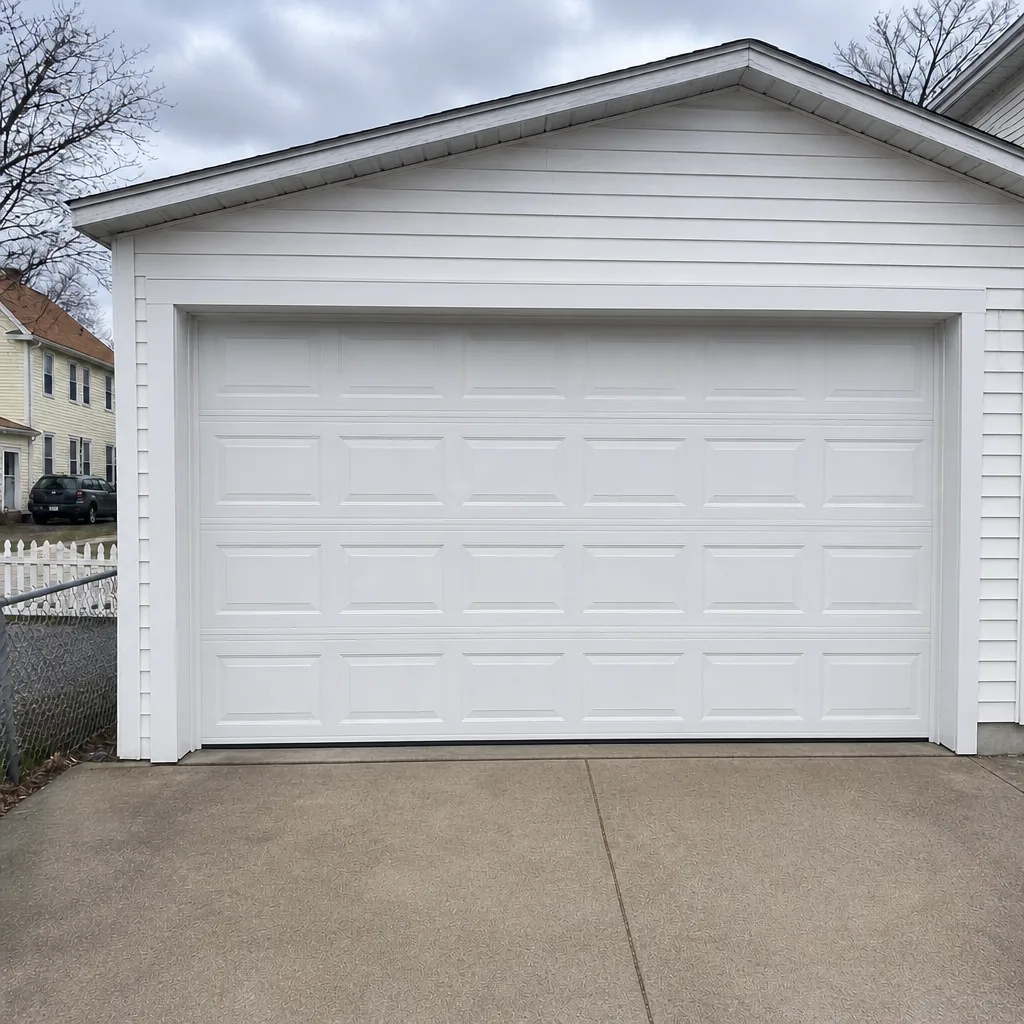
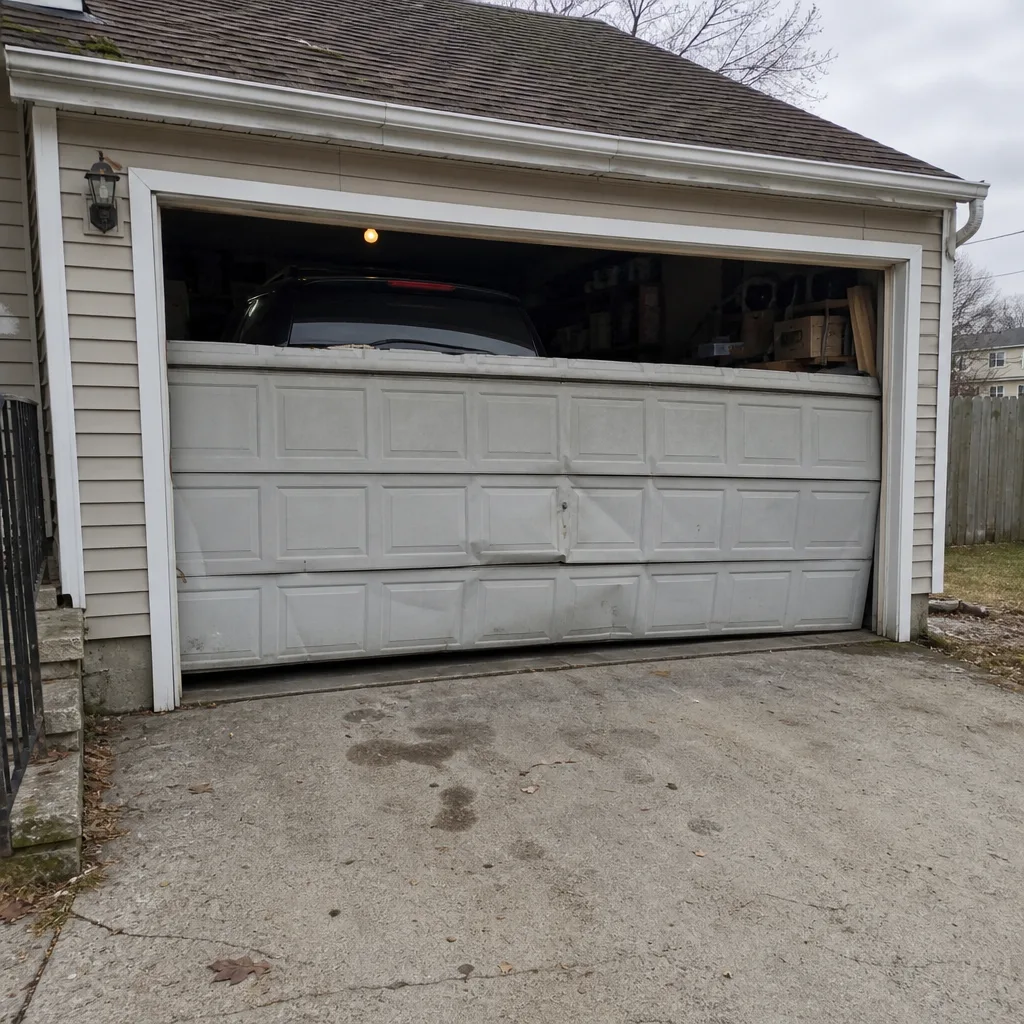
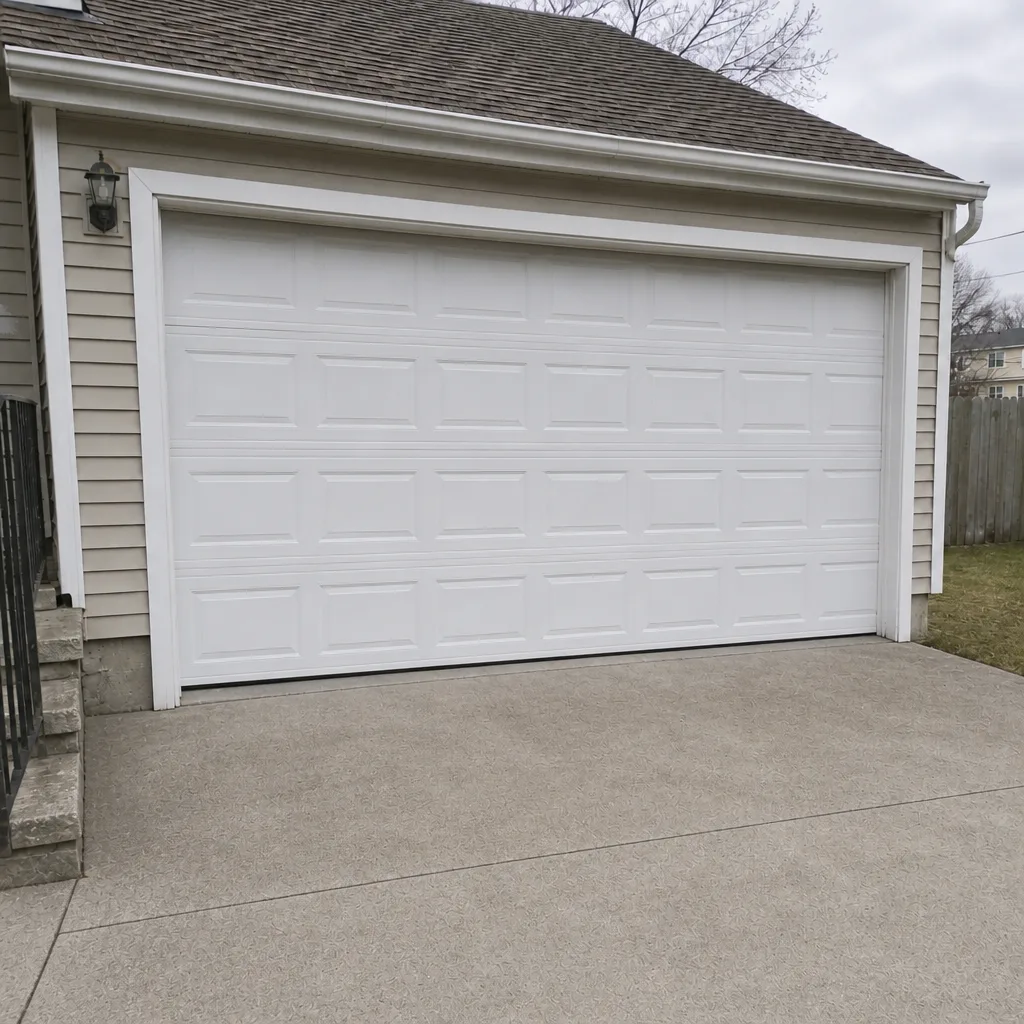
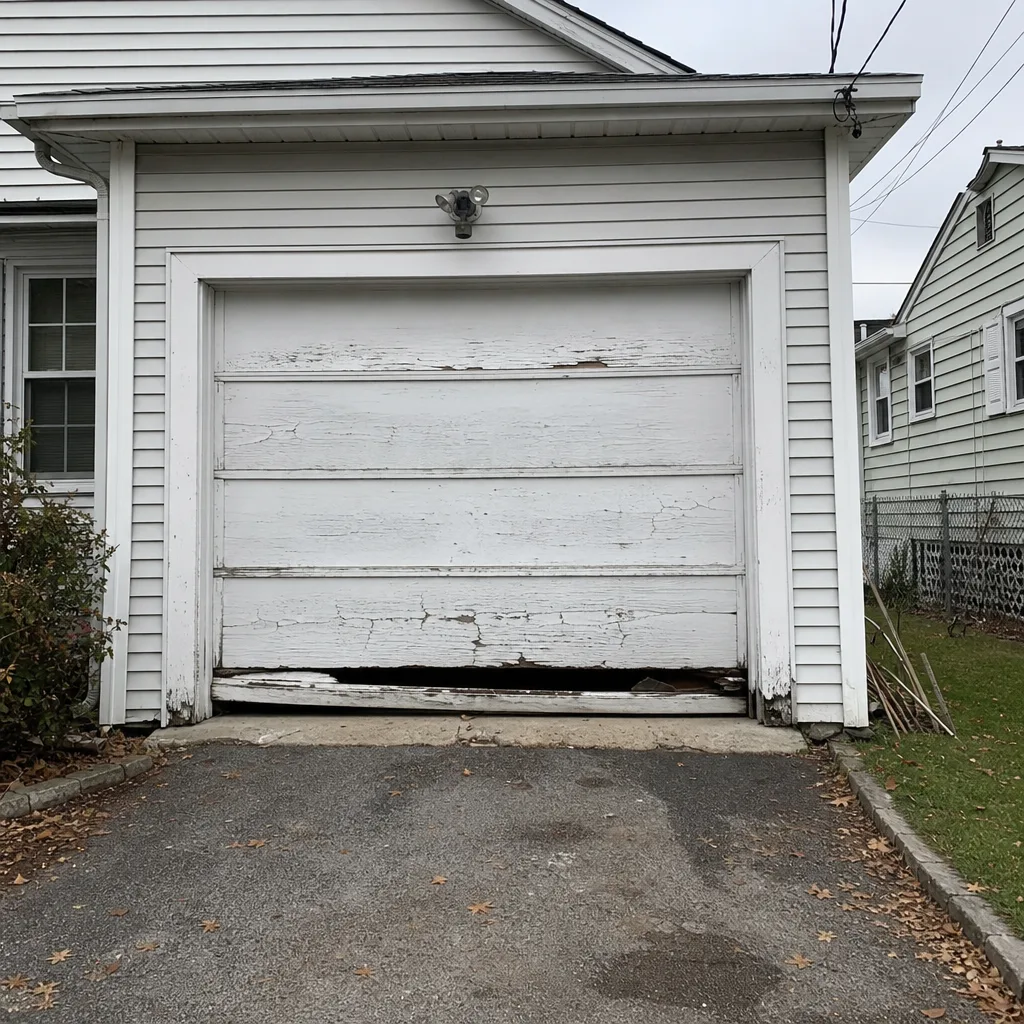
See the difference
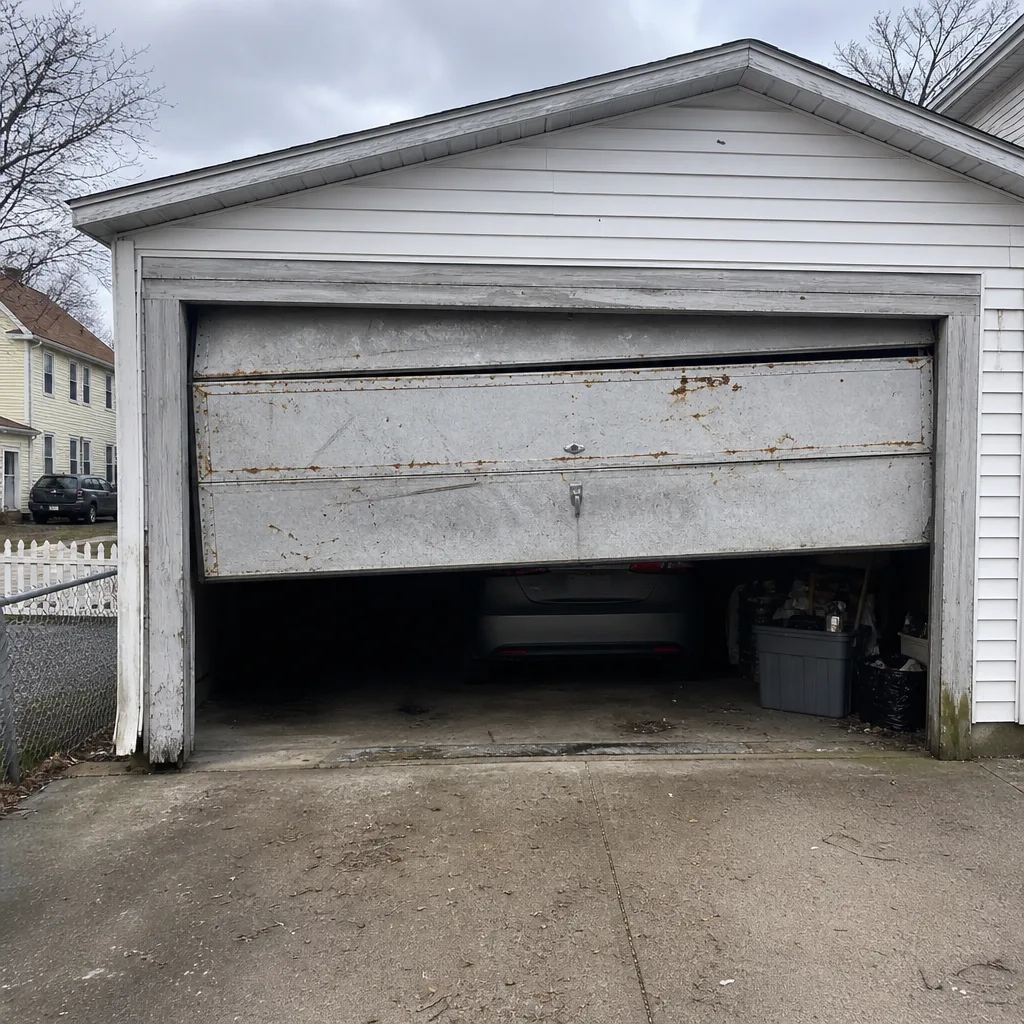 Before
 After
 Before
 After
 Before
 After
When to Call a Professional
Call a professional when the door makes a sound that stops you in your tracks, when it moves unevenly or visibly tilts, when the door drops or rises on its own during the balance test, when you see a frayed or slack cable, or when the door is stuck and your car is trapped behind it. Also call if the door has reversed without obstruction more than once, if you can see the torsion spring is broken, or if the door has come off its track. We handle repair, opener repair, spring repair, and full installation, so the conversation doesn’t have to restart somewhere else. Garage Door Repair Brockton Pros offers free estimates in Brockton – call (833) 508-9262. The price is quoted and agreed before any work starts, and the written estimate sets the final price.
Frequently Asked Questions
A cable that’s frayed, kinked, slack, or off the drum, or a torsion spring that has visibly broken or is snapping under load. Both of these can fail suddenly and are the reason a door should be taken out of service until a technician has looked at it. Call (833) 508-9262 for an estimate – they’re free.
Loose hinges, dry rollers, and a remote that needs a fresh battery or a reprogram are all reasonable DIY territory. Anything involving the torsion spring, the cables, or a door that’s off its track is not. Those carry stored energy that can injure even a careful homeowner. Ask a trained technician instead.
The written estimate is the price. We diagnose the door before we quote, so the number you agree to is the number you pay for that job. If we find a second issue during the work, we stop and re-quote before touching it. Call (833) 508-9262 for an exact estimate.
In most cases, yes. Emergency service is a core part of what we do, and a door stuck open with the house unsecured, or stuck shut with a car trapped, is exactly what it’s for. We answer 24/7, with fast dispatch from 7am to 7pm, Sunday through Friday. Call (833) 508-9262.
We connect you with local independent professionals who are licensed and insured as the state requires. Our technicians have up to 14 years of experience, and they work on LiftMaster, Chamberlain, Genie, Clopay, Amarr, Wayne Dalton, Craftsman, and Raynor systems specifically. Call (833) 508-9262 to book an estimate.
Once a month, do the two-minute manual release balance test. Once a year, look at the cables, springs, and bottom brackets for rust or wear, ideally in the fall before the freeze. And any time the door makes a new sound, moves unevenly, or needs more than one remote press. If any of those checks raise a flag, call (833) 508-9262 – the estimate is free.
The Bottom Line
Most garage door failures in Brockton don’t arrive out of nowhere. They start as a slow door, a new grind, a slight tilt, or a remote that suddenly needs a second press. The manual release balance test, a visual cable check from the floor, and a monthly ear for new sounds will catch most of them before they get expensive. A squeak or a rattle is a fix. A snap, a slack cable, or a door that drops is a stop, and that’s a call to a professional. Know the baseline, watch for the drift, and treat the high-tension parts with the respect they carry. If you’re not sure which category a sign falls into, that’s the moment to ask.
Call (833) 508-9262 for a free estimate. We answer 24/7. Fast dispatch from 7am to 7pm, Sunday through Friday. From a broken spring to a brand-new door, Garage Door Repair Brockton Pros handles the full range, and we know your brand before we quote.
Written by the team at Garage Door Repair Brockton Pros.