
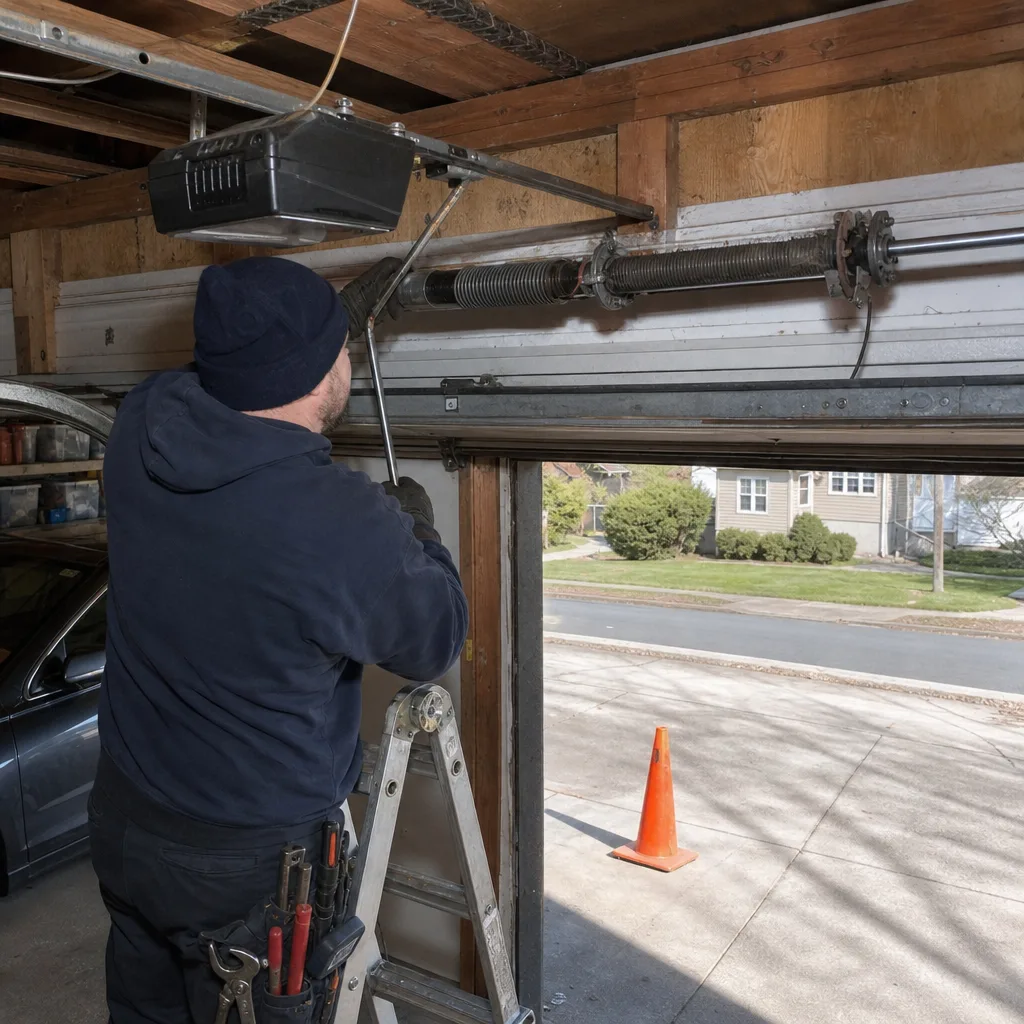
Last updated November 22, 2026
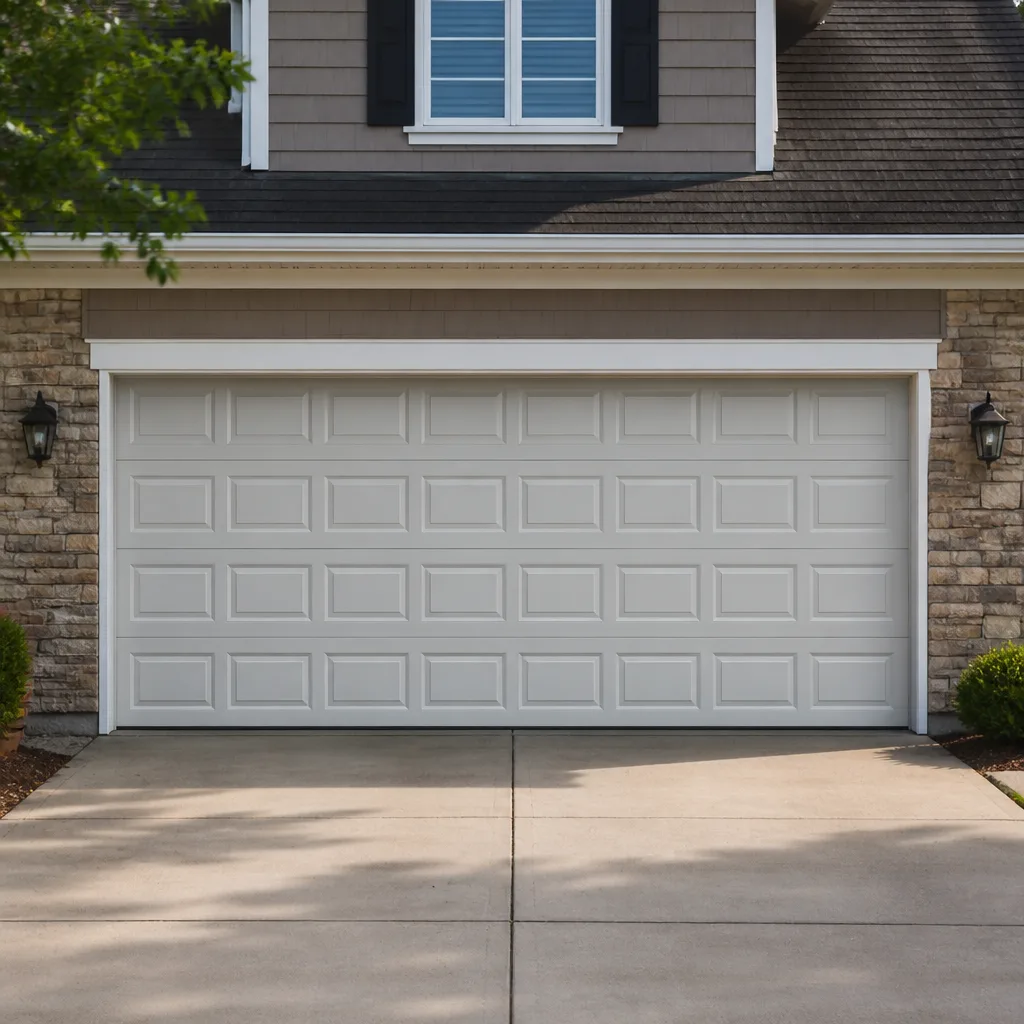 Raised-panel steel
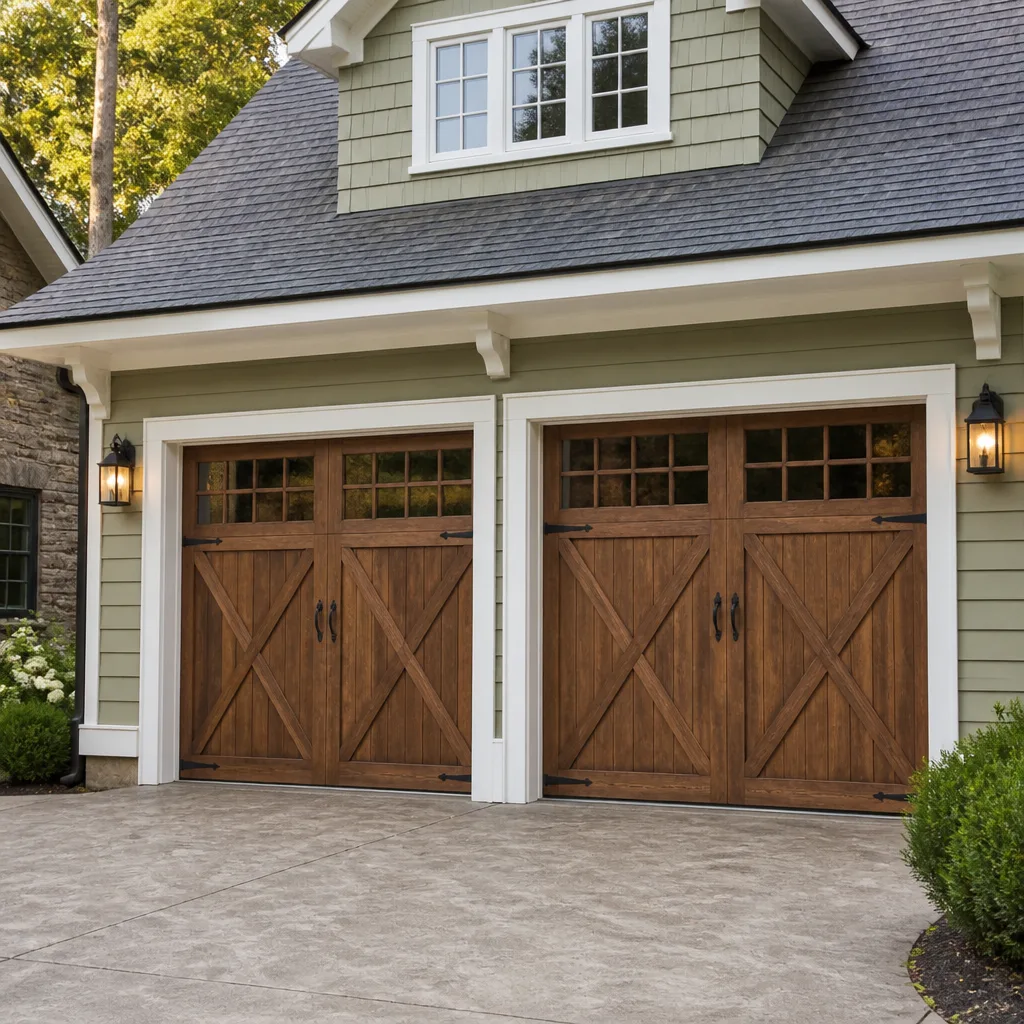 Carriage house
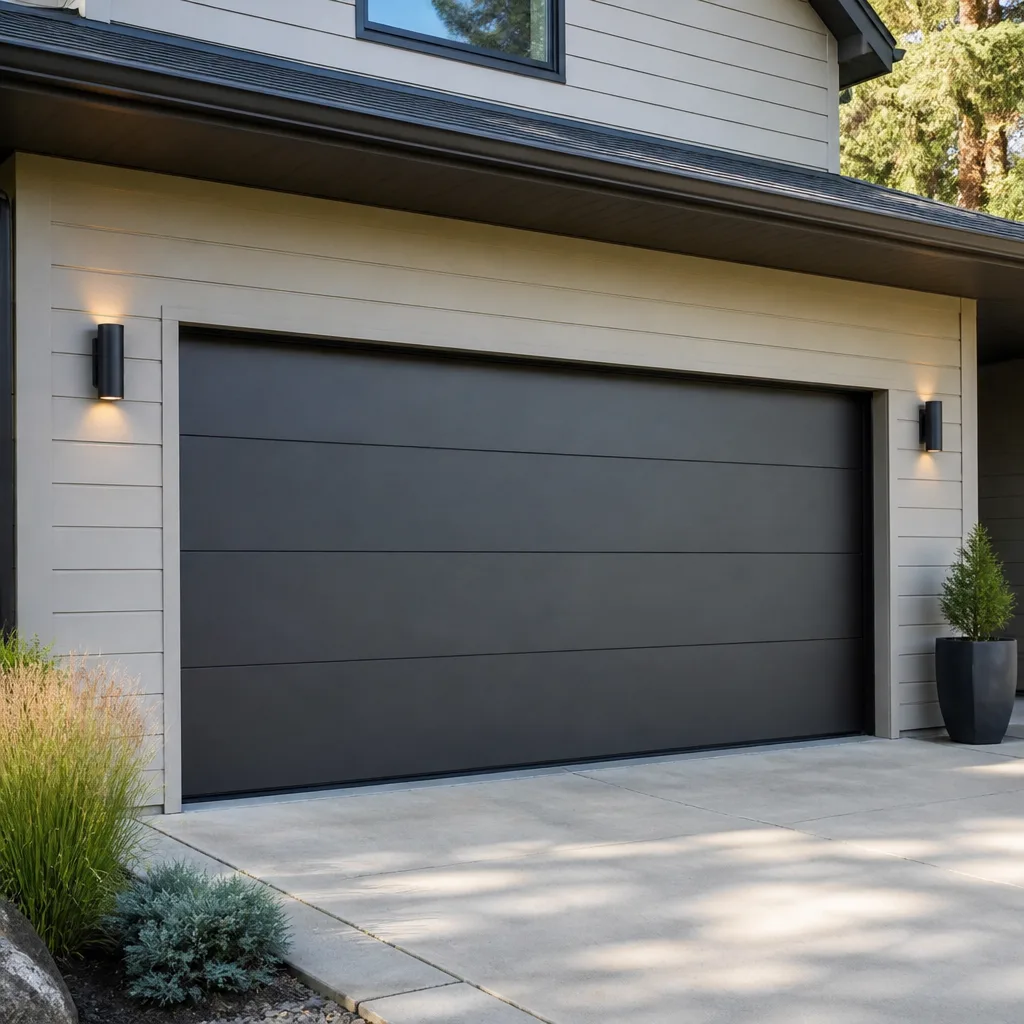 Modern flush
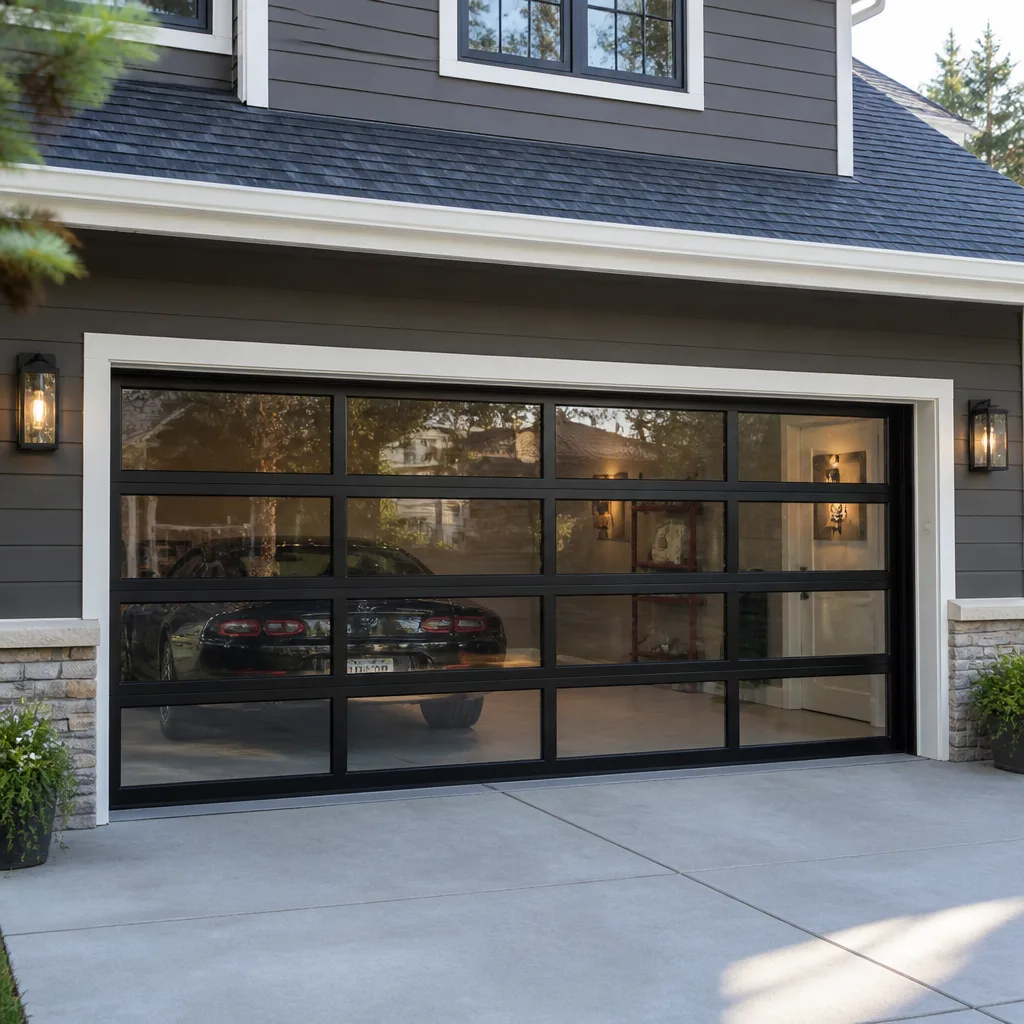 Full-view glass
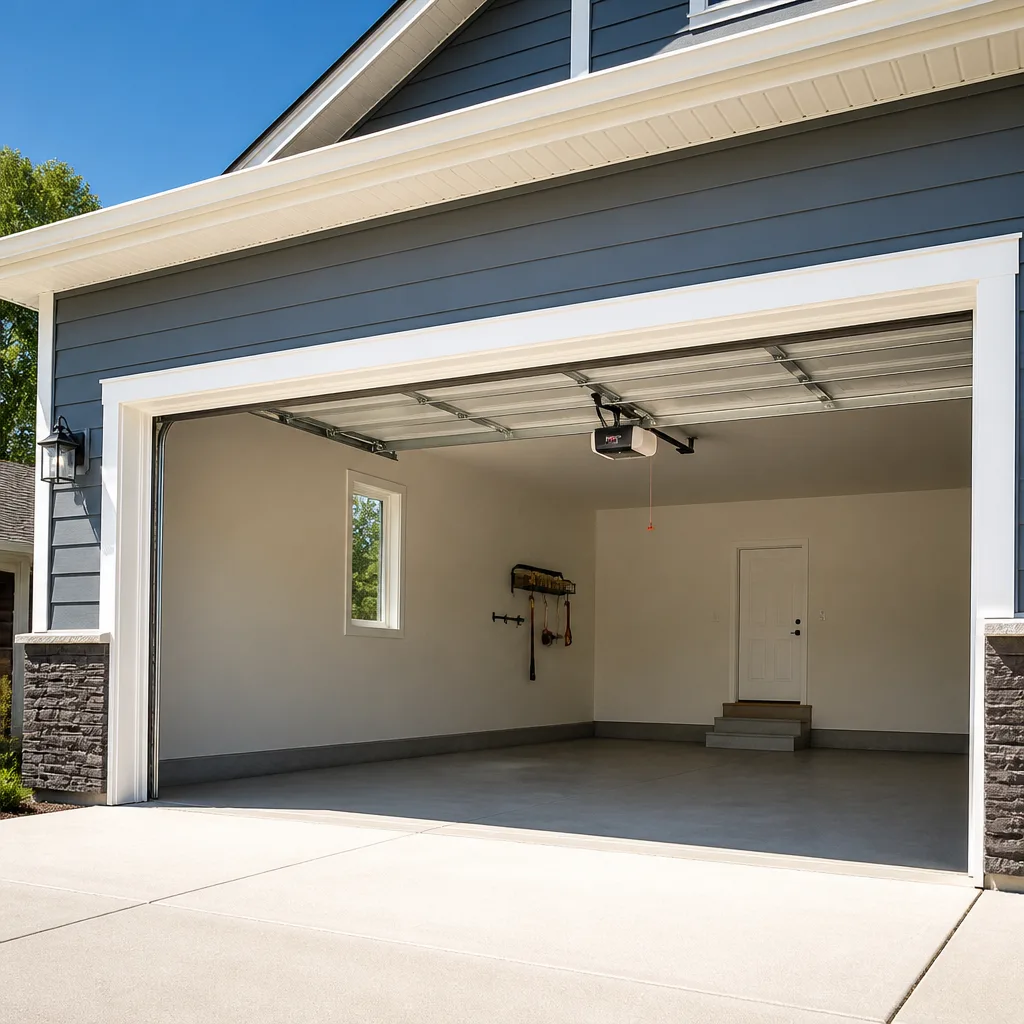 LiftMaster openers
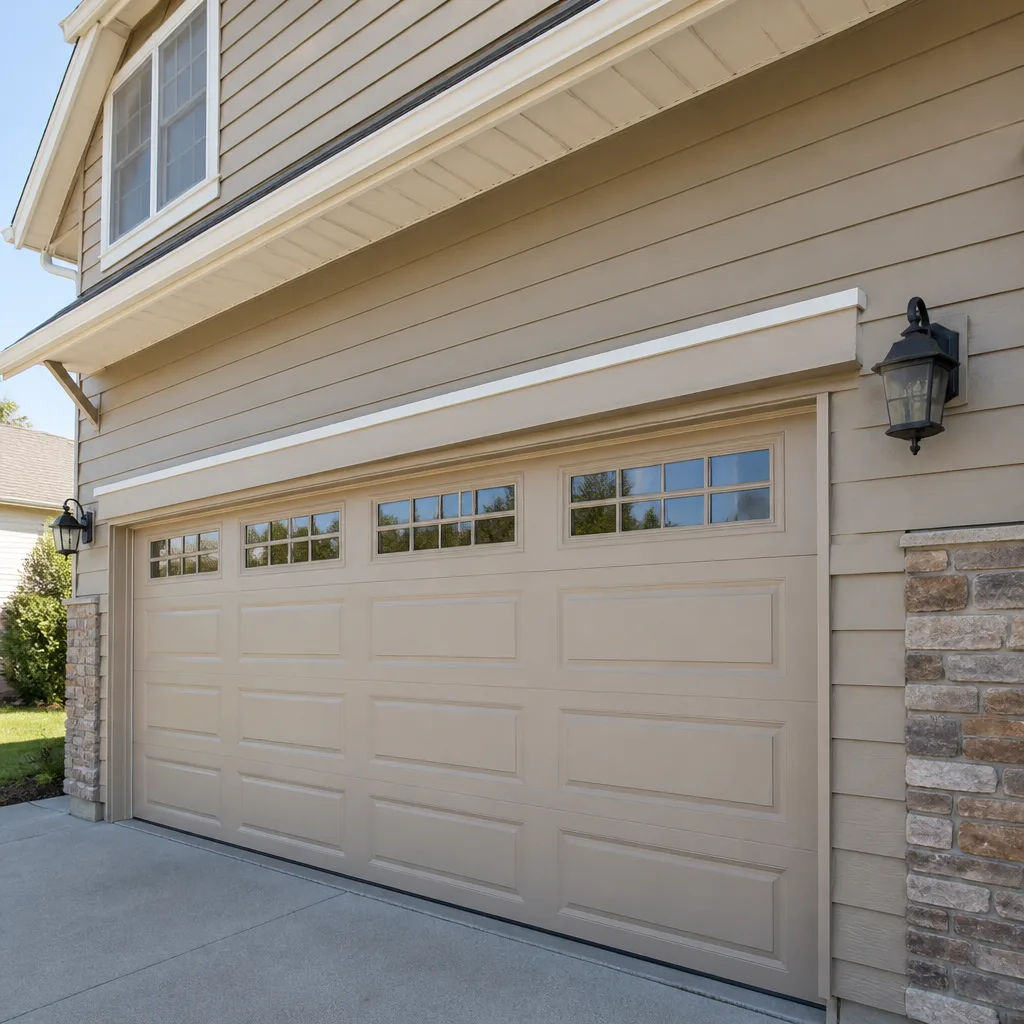 Chamberlain openers
Full 25-point door and opener safety check with every visit - springs, cables, rollers, tracks, and your LiftMaster or Chamberlain opener included
You get a price before we start. It does not change when the pro arrives.
Get your free estimateSeasonal Garage Door Care for Brockton: Year-Round Homeowner’s Guide
Most Brockton homeowners assume winter is what breaks a garage door. It isn’t. Winter is when the damage shows up. The failures we get called for cluster in January and February, and the cause usually traces back to something that didn’t happen in October or November. A torsion spring that never got lubricated, a bottom seal that never got checked, a roller that seized quietly while the temperature was still mild. Four seasons here don’t create four equal maintenance burdens. Two windows matter far more than the other two: late fall and early spring. This guide organizes garage door care around that imbalance instead of repeating the generic seasonal checklist you’ll find everywhere else. You’ll learn what to check, when to check it, and when a job has moved past homeowner territory.
Quick Answer
Garage door care in Brockton works best as two focused maintenance windows, not four even ones. In late fall (October through November) lubricate springs, hinges and rollers, inspect weatherstripping and side seals, and clear salt and sand grit from the bottom brackets before the freezing months arrive. In early spring (March through April) reassess rust on cables and hardware and check that winter didn’t shift your door’s balance. Summer needs only light attention for humidity swelling and opener sensitivity. Anything involving springs, cables or high-tension hardware should go to a trained technician, not a homeowner with a ladder.
Styles & brands we work with
- Raised-panel steel
- Carriage house
- Modern flush
- Full-view glass
- LiftMaster openers
- Chamberlain openers
Table of Contents
- Why Brockton’s Seasons Don’t Create Equal Maintenance Burdens
- The Late Fall Window: What Actually Prevents Winter Failures
- Why Torsion Springs Snap in Cold Weather (and What Lubrication Does)
- Weatherstripping and Side Seals: The Checks Most Homeowners Skip
- Salt and Road Sand: How Brockton Streets Wear Out Bottom Brackets and Rollers
- The Early Spring Window: Catching Winter Damage Before Summer
- Summer Humidity, Wood Door Swelling and Opener Sensitivity
- Common Mistakes to Avoid
- When to Call a Professional
- Frequently Asked Questions
- The Bottom Line
Why Brockton’s Seasons Don’t Create Equal Maintenance Burdens
Brockton sits in a climate with real winter, real summer humidity, and two long shoulder seasons in between. That pattern means the door spends most of the year transitioning rather than sitting in steady weather. The transitions are what stress the mechanism. Metal expands and contracts. Lubricant thins in heat and thickens in cold. Wood takes on moisture and gives it back. Seals harden, then soften, then harden again.
The practical result is that two short windows of attention do almost all the work:
- Late fall (October – November) is your preparation window. Everything you do here protects the door through the coldest months.
- Early spring (March – April) is your assessment window. Everything you check here catches damage that winter already did.
Summer is a maintenance-light season. Heat and humidity cause a specific set of problems, mostly wood swelling and opener sensitivity, but those are easier to correct than the cold-weather failures. The shoulder seasons are where the real work lives.
This matters because most seasonal advice treats all four seasons equally, which pushes homeowners toward spreading thin attention everywhere instead of concentrated attention where it counts. If you only do two maintenance passes a year in Brockton, do them in November and March. If you do a third, put it in July. That distribution matches how the equipment actually fails here.
The Late Fall Window: What Actually Prevents Winter Failures
The late fall pass is the single highest-value maintenance you can do on a garage door in Brockton. It’s also the one most homeowners skip, because the door is working fine and there’s no obvious reason to touch it. That’s exactly why it matters: the failures it prevents don’t announce themselves until the temperature drops.
Here’s the sequence we recommend, and it takes about fifteen minutes for the checks plus a few minutes for lubrication:
- Lubricate the springs, hinges, rollers and bearing plates. Use a garage-door-specific lubricant, not WD-40 or general household oil. Torsion springs, hinges and roller stems are the priority. This is the single most important fall task for cold-weather reliability.
- Inspect the bottom weather seal. Look for cracks, flattened sections, and gaps where the seal meets the floor. A hardened seal lets cold air, snow melt and grit under the door.
- Check the side seals and the top seal. These are the ones homeowners almost never look at. Run a hand along each side seal and feel for gaps between the seal and the door frame, especially at the bottom corners where the seal meets the threshold.
- Clear grit and salt residue from the bottom brackets and roller tracks. A dry brush and a damp cloth are enough. Don’t flood the tracks with water; wipe them and dry them.
- Test the door balance. Disconnect the opener, lift the door halfway by hand, and let go. A balanced door stays put. A door that drifts down has a spring or cable problem worth a professional look.
- Test the safety reverse. Place a piece of wood or a roll of paper towel under the door and close it. The door should reverse on contact. If not, the opener needs adjustment.
None of this is difficult. The value comes from doing it before the first hard freeze, while the door is still in a state where minor issues are correctable. Once the cold settles in, everything gets harder to fix and easier to break.
Why Torsion Springs Snap in Cold Weather (and What Lubrication Does)
Torsion springs are most likely to break when temperatures drop below 20°F. That’s not folklore; it’s metallurgy. Steel gets more brittle as it gets colder. A spring that’s been cycling thousands of times carries microscopic fatigue, and cold weather removes the margin that was letting it survive. A spring that might have lasted another year at 40°F snaps at 10°F.
Lubrication doesn’t make the spring stronger, and it doesn’t stop metal fatigue. What it does is reduce friction between the coils as the spring winds and unwinds. Less friction means less wear on the coils, and a slightly lower load on a spring that’s already near the end of its life. On a spring that’s fresh, lubrication extends its service life. On a spring that’s close to failing, lubrication buys a little more room. Either way, the fifteen minutes of fall lubrication is the cheapest insurance you can buy against a January breakdown.
We work on spring systems across the major door brands, including Clopay and Wayne Dalton doors that are common on Brockton homes. The spring design differs between models, but the cold-weather physics are the same. If your door has a torsion spring system (the wound spring on a bar above the door), it’s vulnerable in the same way regardless of brand.
A safety note that matters: torsion springs are under extreme tension, and a broken spring or a spring that lets go while you’re near it can cause serious injury. Do not attempt to adjust, wind, unwind or replace a torsion spring yourself. Lubrication is a homeowner task. Everything beyond that is a trained-technician task. For garage door spring repair, the work is fast and standard for a professional and genuinely dangerous for anyone else.
Weatherstripping and Side Seals: The Checks Most Homeowners Skip
Most homeowners check the bottom seal and stop there. The bottom seal is the visible one, the one you see every time the door closes, and it’s the one that gets replaced first. The side seals and top seal are the ones that quietly fail and let in the cold, moisture and grit that create bigger problems.
Here’s what to inspect before a Brockton winter:
- Bottom seal: look for cracks, flat spots, and any gap between seal and floor. A seal that’s lost its flexibility won’t seal well in cold weather even if it looks intact.
- Side seals (the vertical strips on each side of the door): check the full length, not just the visible middle. The bottom corners and the top corners are where gaps form first. Run a hand along the seal and feel for a gap between seal and door frame.
- Top seal: on doors with a top weatherstrip, check that it’s still making contact with the door when closed. A sagging top seal lets snow melt and rain in along the header.
- Threshold: look at the floor where the door meets it. A threshold that’s cracked or uneven lets water pool under the door and rust the bottom brackets over time.
The reason side seals matter so much in Brockton is wind-driven weather. A gap that seems trivial on a calm day becomes a channel for cold air, snow and grit when the wind pushes against the door. That grit is what wears rollers and accelerates the salt-and-sand corrosion discussed below. Replacing a side seal is a modest job. Replacing worn rollers and bottom brackets from grit damage is a bigger one.
If you find gaps in the side seals, that’s a reasonable homeowner project on most doors. If the bottom brackets are worn or the tracks are misaligned, that’s technician territory.
Salt and Road Sand: How Brockton Streets Wear Out Bottom Brackets and Rollers
Not every home in Brockton sits close to a plowed road, but the ones that do face a specific mechanical problem that inland, rural homes don’t. Road salt and sand from plowed streets end up on driveways, get tracked onto the garage floor, and work their way into the bottom brackets and roller tracks. Salt accelerates corrosion. Sand acts like sandpaper on rollers and hinges.
The damage doesn’t happen in one winter. It accumulates. A bottom bracket that’s getting gritted every winter will start to corrode faster than the same bracket on a home with a long private drive. Rollers that pick up sand wear faster and start to drag. A dragging door strains the opener and the spring, and a strained spring is a spring that’s more likely to fail.
The practical response is a rinse-and-inspect routine through the winter months, plus a decision point on replacement:
- Rinse after heavy road-salt periods. A damp cloth on the bottom brackets and tracks, followed by a dry wipe, removes salt residue. Don’t flood the tracks; wipe and dry.
- Brush out sand and grit weekly during the salting season. A dry brush on the tracks and around the rollers keeps grit from grinding into the mechanism.
- Inspect the bottom brackets at the March assessment. Look for visible corrosion, pitting, and rust streaks. Light surface rust can often be cleaned and treated. Structural corrosion, cracks or heavy pitting mean replacement.
- Replace rollers that show flat spots, cracks or heavy drag. Rollers are an inexpensive wear item and replacing them early protects the opener and springs.
Rinsing is worth doing. Replacement is worth doing when a component is already compromised. The judgment call is where the line sits, and a technician can make it quickly by looking at the bottom brackets and rollers directly.
The Early Spring Window: Catching Winter Damage Before Summer
The March assessment is the counterpart to the fall pass. Where fall is about prevention, spring is about detection. Winter is when the most damage gets done, and the early spring window is your chance to catch it before the hotter months turn minor issues into real breakdowns.
Here’s what to look at in the spring pass:
- Cable rust assessment. Cables run along the sides and over the drums. Look for rust streaks, fraying, and any change in tension between the two cables. A rusted or frayed cable is a safety issue and should be replaced, not serviced.
- Hardware corrosion check. Hinges, brackets and bearing plates. Winter salt and moisture work on all of them. Look for surface rust versus structural rust.
- Track alignment. Winter can shift a track a fraction of an inch, especially if a door was operated with ice or snow packed in the tracks. Watch the door through a full open and close cycle and look for binding or hesitation.
- Spring condition. Look at the springs for visible gaps, which would indicate a break. A single gap on a two-spring system is a reason to call, not to run the door.
- Weatherstripping condition. Re-check the bottom seal, side seals and top seal. Winter is hard on seals. If the seal compressed or cracked over the winter, spring is the time to replace it.
- Safety reverse test. Re-test the opener’s reverse function. Cold, moisture and a winter of use can shift the sensitivity. This is a quick check and worth doing twice a year.
If everything checks out, you’ve confirmed the door is in good shape going into warmer weather. If anything doesn’t, catching it in March means fixing it before the door’s summer cycle load adds more wear. For garage door repair issues found in this pass, the fix is typically quick once a technician has seen the door.
Summer Humidity, Wood Door Swelling and Opener Sensitivity
Summer in Brockton brings a specific set of garage door issues, and most of them have the same two causes. Wood doors absorb humidity and swell. Opener sensitivity drifts with temperature changes. Both are fixable with small adjustments, and neither requires the urgency of a cold-weather failure.
Wood door swelling
A wood or wood-composite door absorbs moisture through the summer months and swells slightly. Panels can bind. The door can stick in the tracks. Sections can rub against each other. If your door is wood or wood-look and it starts to bind in July or August, the cause is usually humidity, not a mechanical failure. Keep the door’s painted or sealed finish in good condition; that’s the primary defense. If a section is binding badly, a technician can adjust the hardware and tracks to accommodate the seasonal expansion.
Opener sensitivity
Openers are calibrated to reverse within a certain force range. As temperature changes, the force required to move the door changes too, and an opener that was perfectly calibrated in April can be slightly off by July. The two adjustments that solve most summer opener problems are:
- Re-test and recalibrate the safety reverse force. This is usually a dial or setting on the opener motor head. If the door doesn’t reverse on contact with an obstacle, the setting is too high.
- Re-test and recalibrate the travel limits. If the door doesn’t fully close or fully open, the limits have shifted. Adjusting the limits is typically straightforward on the major opener brands.
We work on garage door opener repair for LiftMaster, Chamberlain, Genie and Craftsman systems, which cover most of the residential openers in Brockton. The control systems differ between brands, but the two adjustments above are the first things a technician checks. If you’re not comfortable with the settings, or if the opener is a wall-mounted jackshaft unit, call a professional; the adjustment is quick.
If your summer door issues are simply that the opener is old and struggling, that’s a different conversation. A full opener replacement is a scheduled job, not an emergency one. We measure, order and schedule it, and quote the price in writing before any work starts.
Care by Season: A Quick Reference
Here’s the compressed version if you want to print it and stick it inside the garage door:
- Late fall (Oct – Nov): lubricate springs, hinges, rollers and bearing plates; inspect all seals; clear grit and salt; test balance; test safety reverse.
- Winter (Dec – Feb): rinse bottom brackets and tracks after heavy road-salt periods; brush out sand; avoid operating the door with ice or snow packed in tracks; call immediately for a snapped spring or a door that won’t open.
- Early spring (Mar – Apr): assess cable rust; check hardware corrosion; test track alignment; re-check seals; run safety reverse test; replace worn rollers and seals now.
- Summer (May – Sep): monitor wood doors for swelling; re-check opener sensitivity and travel limits; touch up paint or seal on wood doors; enjoy the quietest maintenance season.
Two windows get most of the attention. The other two are easy to maintain. That’s the whole shape of seasonal care in Brockton.
Common Mistakes to Avoid
- Skipping fall lubrication and then blaming winter for the breakdown. The January failure was in motion back in October, when the spring was still winding on dry coils and the rollers were still dragging. Fall lubrication is the cheapest prevention there is.
- Using WD-40 or household oil on garage door hardware. General-purpose lubricants attract dust, gum up over time and don’t hold up to the sliding load of a hinge. Use a garage-door-specific lubricant and you’ll get the actual protection fall lubrication is supposed to deliver.
- Inspecting only the bottom seal. The side seals are where most Brockton winter air actually gets in, and they’re the seal most homeowners never look at. Run a hand along each side seal from top to bottom, and feel for gaps at the corners.
- Letting road salt sit on bottom brackets all winter. Salt is one of the fastest ways to corrode a bracket, and by the time you see the damage it’s usually replacement territory. A wipe-down after heavy salting is a few minutes of work.
- Treating spring season as a fresh start instead of an assessment opportunity. The cables, hardware and seals that survived winter aren’t guaranteed to be in the same condition they were in November. Check them in March and you’ll catch the problems before they compound.
- Adjusting a torsion spring or cable yourself. This is the mistake with the highest cost, and not the financial kind. Springs and cables are under thousands of pounds of tension. A slipped wrench on a tensioned spring can cause serious injury. Leave the adjustment to a trained technician.
- Treating a summer binding wood door as a mechanical failure. Summer humidity causes wood panels to swell, and most of the time the fix isn’t a hardware replacement; it’s confirming the finish is doing its job and adjusting the tracks for the seasonal expansion.
When to Call a Professional
Some garage door work is homeowner territory: lubrication, seal inspection, grit cleanup, and the seasonal safety reverse test. Other work should always involve a trained technician. Call a professional if you see any of the following in Brockton:
- A snapped torsion spring or a spring with a visible gap
- A frayed, rusted or visibly damaged cable
- A door that won’t open, won’t close, or is off its track
- An opener that’s binding, reversing for no reason, or failing to complete its travel
- Any binding or hesitation that doesn’t resolve with a track cleaning
- Structural corrosion on brackets, hinges or rollers
Garage Door Repair Brockton Pros offers free estimates in Brockton – call (833) 508-9262. We work on the equipment brands Brockton homes actually have, including Clopay, Amarr, Wayne Dalton and Craftsman doors and the major opener lines. The written estimate sets the price and you approve it before any work begins. Our technicians have up to 14 years of experience. We answer 24/7. Fast dispatch, 7am-7pm, Sunday through Friday, closed Saturday.
Frequently Asked Questions
Twice a year, in late fall and early spring. Those two windows catch the damage that winter causes and prevent the failures that cold weather triggers. A third light pass in mid-summer helps with wood door swelling and opener sensitivity. Anything beyond routine maintenance, such as a spring or cable check, should come from a professional. Call (833) 508-9262 for an exact quote on any repair – estimates are free.
Steel gets more brittle as it gets colder, and a spring already carrying fatigue from thousands of cycles loses its margin below 20°F. Cold snaps snap springs that would have lived another year at warmer temperatures. Fall lubrication reduces friction and buys some margin, but it doesn’t stop metal fatigue. If your spring has snapped, don’t try to operate the door; call for spring repair, and we’ll quote the price before any work starts. Call (833) 508-9262 for a free estimate.
Yes, if your driveway is near a plowed road and gets road salt tracked onto it. Wipe the bottom brackets and tracks with a damp cloth after heavy salting periods and dry them. Salt accelerates corrosion on brackets and can start pitting metal within a single season. If the corrosion is already structural, replacement is usually the right call, and we’ll look at it honestly and quote before any work starts. Call (833) 508-9262 for a free estimate.
Usually an adjustment. Wood and wood-composite doors absorb summer humidity and swell slightly, causing panels to bind against each other or against the tracks. Checking the door’s painted or sealed finish is the first step; a properly sealed door takes on less moisture. If binding is significant, a technician can adjust the tracks and hardware for the seasonal expansion, typically in the same visit. Call (833) 508-9262 for an exact quote – estimates are free.
Fall maintenance is preventive; spring maintenance is detective. The fall pass lubricates and inspects to protect the door through the coldest months. The spring pass assesses damage winter already caused, especially rust on cables and hardware, track alignment, and seal condition. Both passes include the safety reverse test. Call (833) 508-9262 for a free estimate on any repair found during either pass.
Yes, lubricating the springs is a homeowner task. Use a garage-door-specific lubricant on the springs, hinges, rollers and bearing plates; general household oil attracts dust and doesn’t hold up under load. Adjusting, winding, unwinding or replacing a torsion spring is not a homeowner task and carries a serious injury risk. If you’re not sure whether the spring is in good condition, have a technician look at it. Call (833) 508-9262 for an exact quote – estimates are free.
The Bottom Line
Brockton’s garage doors don’t fail evenly across the year. The failures cluster in the coldest months, and they usually trace back to two short windows of missed attention. Late fall lubrication and seal checks prevent the winter failures. Early spring cable and hardware assessment catches the damage winter already did. Summer needs only light attention, mostly wood swelling and opener sensitivity, and spring is the assessment season for the wear that road salt and grit cause through the winter. That’s the whole shape of seasonal care here: concentrate your attention where it counts, and leave the high-tension hardware to a trained technician. Our technicians have up to 14 years of experience. Call (833) 508-9262 for a free estimate. We answer 24/7. Fast dispatch, 7am-7pm, Sunday through Friday, closed Saturday.
Garage Door Repair Brockton Pros handles the full range: routine repair, opener diagnostics, dedicated spring repair, and full new door installation when a system reaches the end of its life. We work on LiftMaster, Chamberlain, Genie, Clopay, Amarr, Wayne Dalton, Craftsman and Raynor equipment. Whether you found a small issue in your spring pass or you’re weighing a full replacement, call (833) 508-9262 and we’ll walk through it. Learn more about Garage Door Repair Brockton Pros.
Written by the team at Garage Door Repair Brockton Pros.
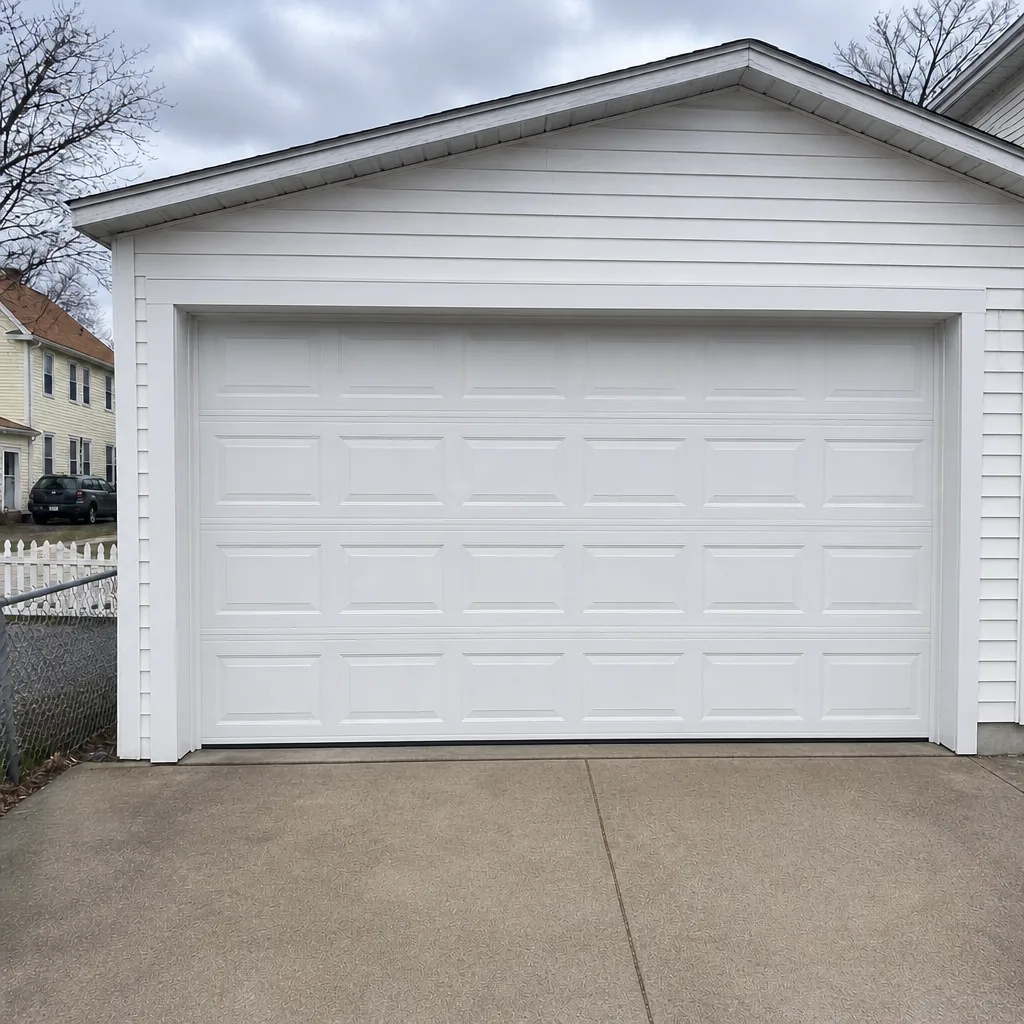
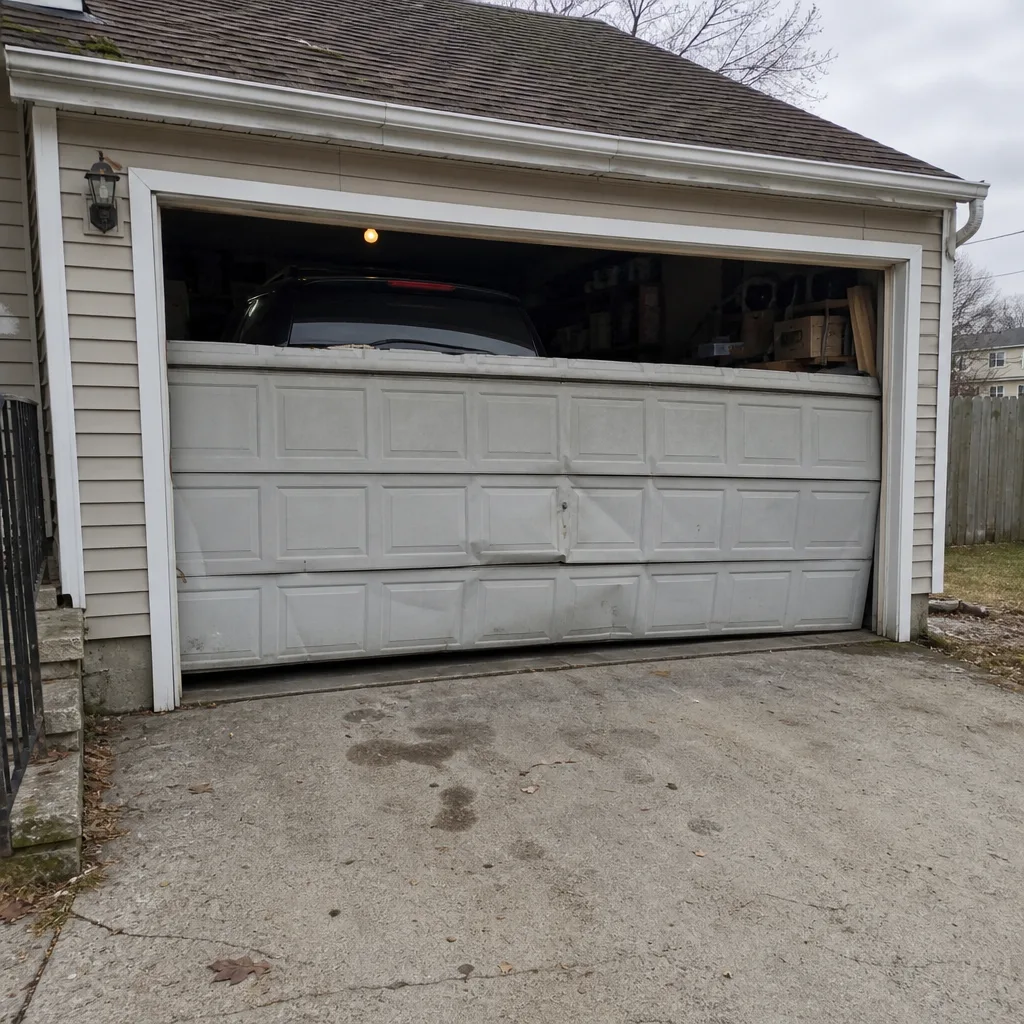
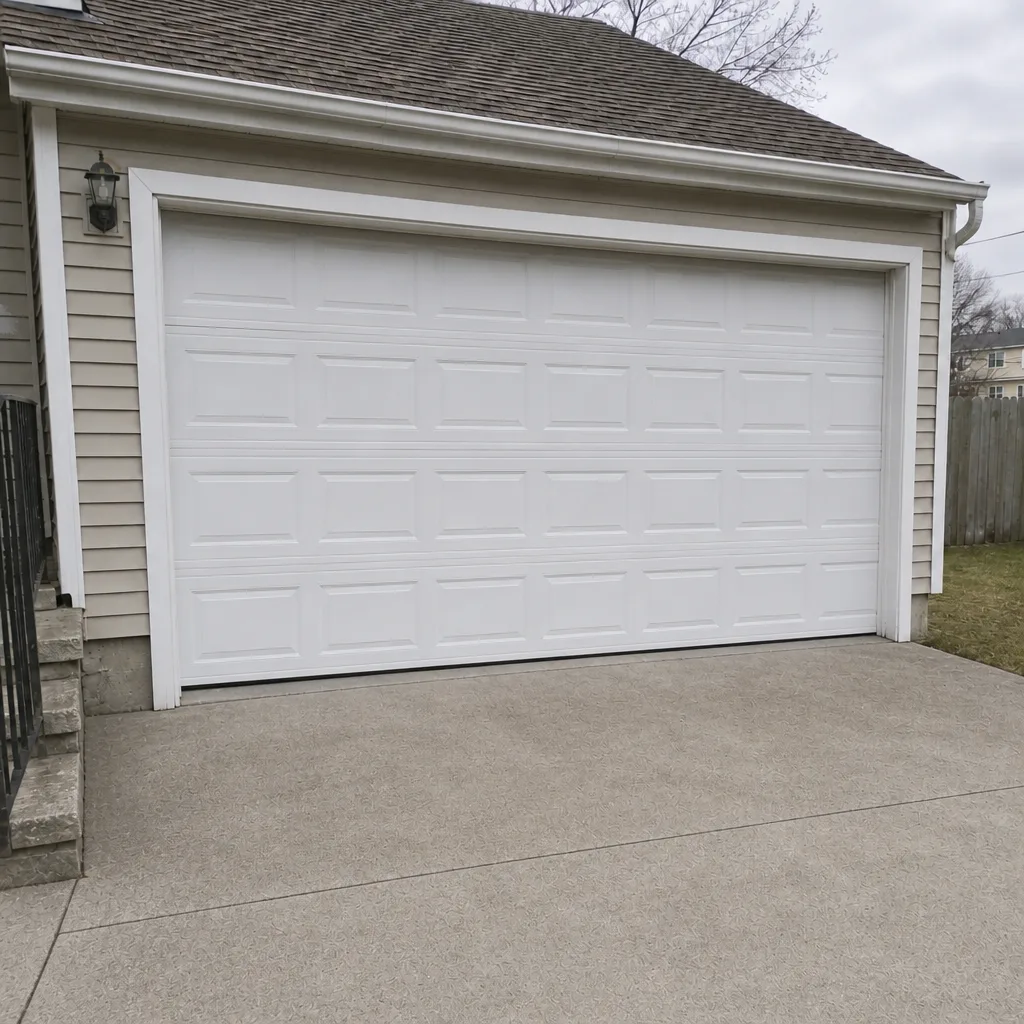
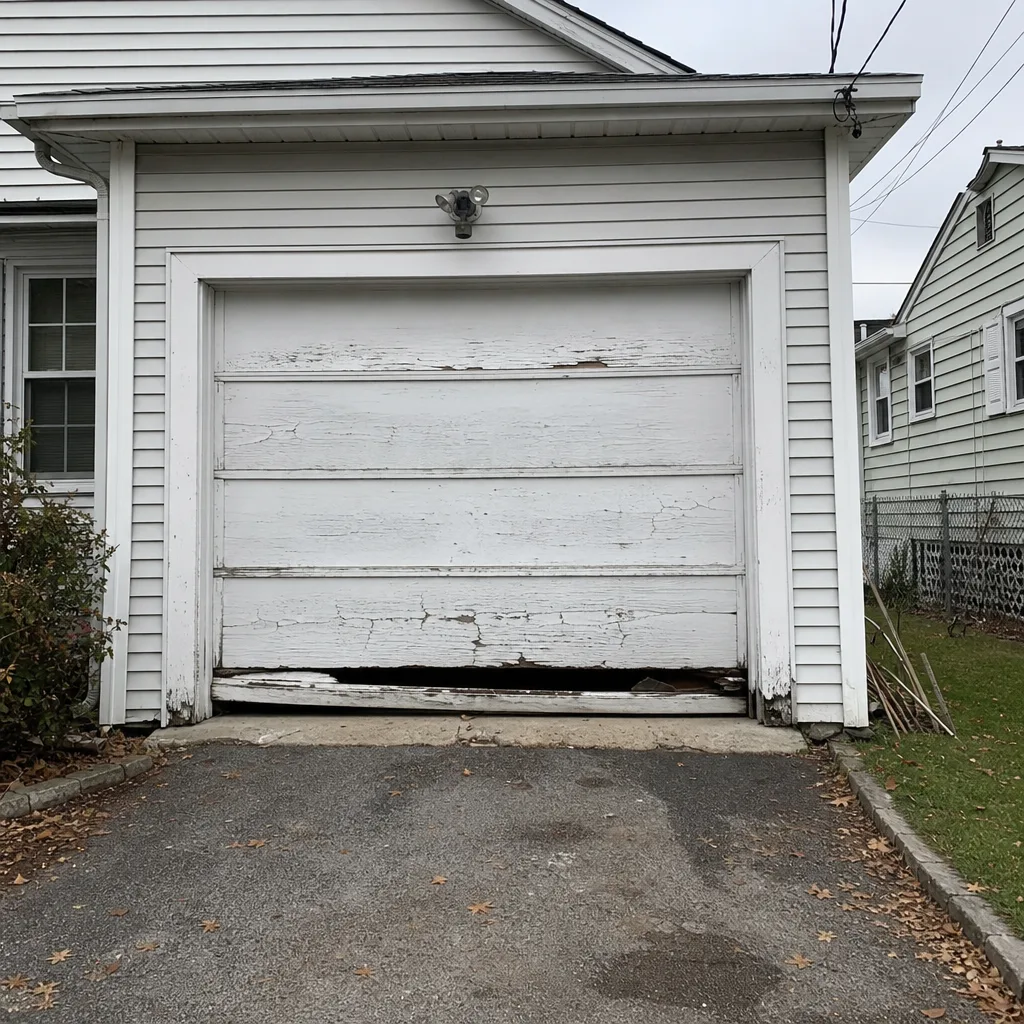
See the difference
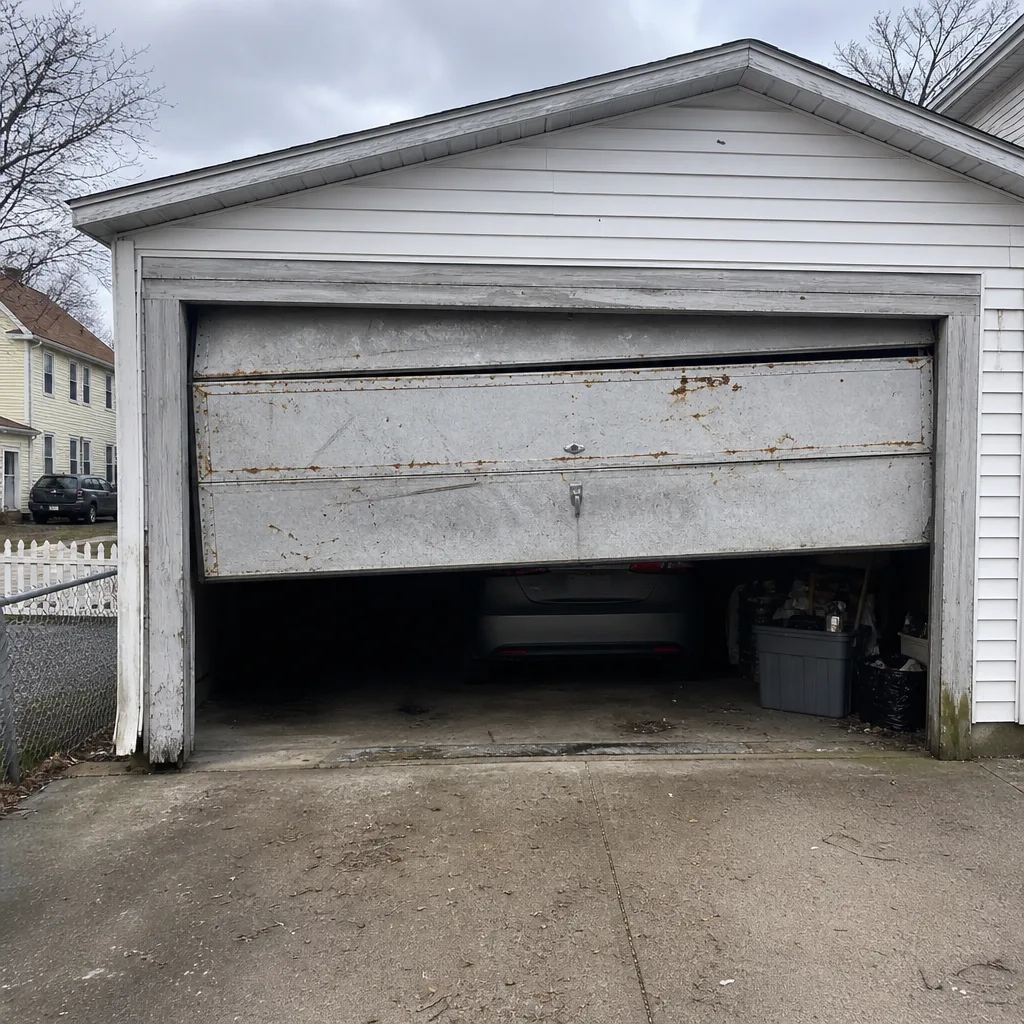 Before
 After
 Before
 After
 Before
 After