
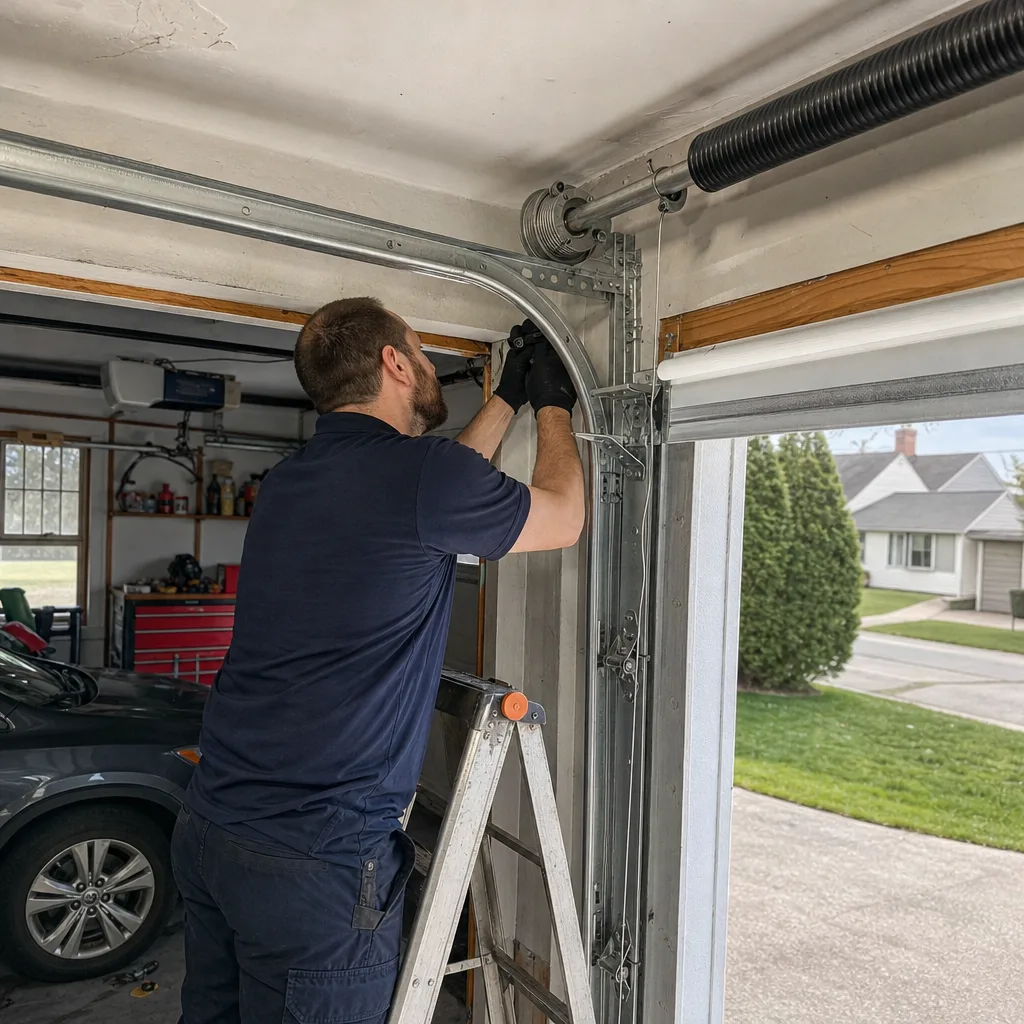
Last updated November 22, 2026
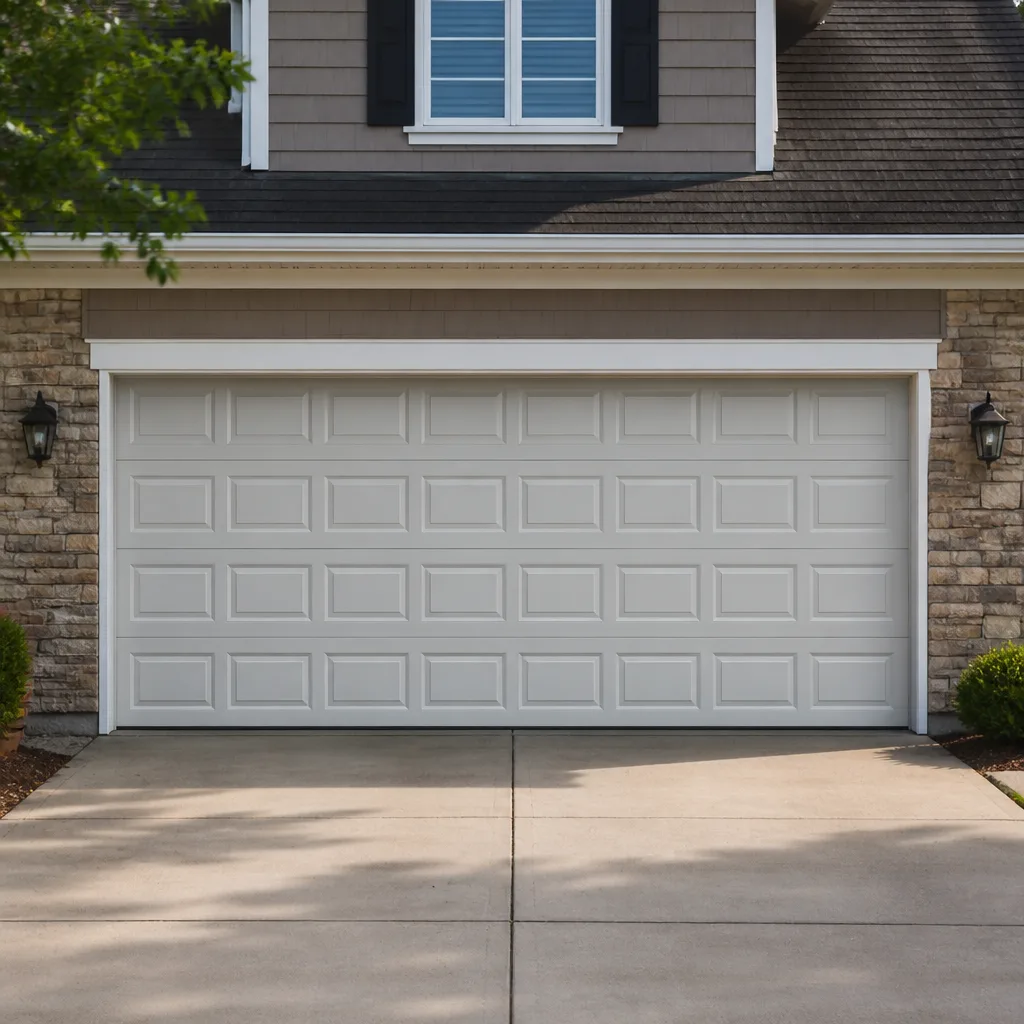 Raised-panel steel
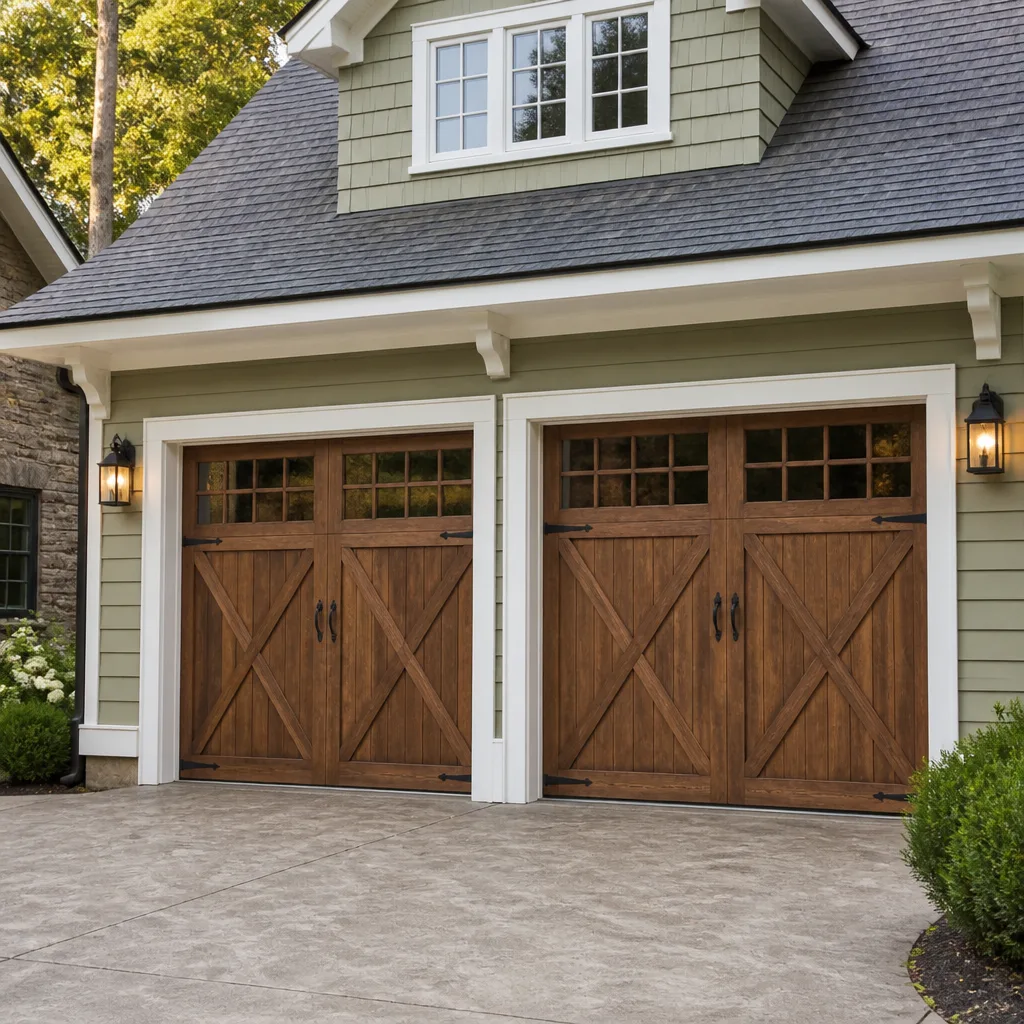 Carriage house
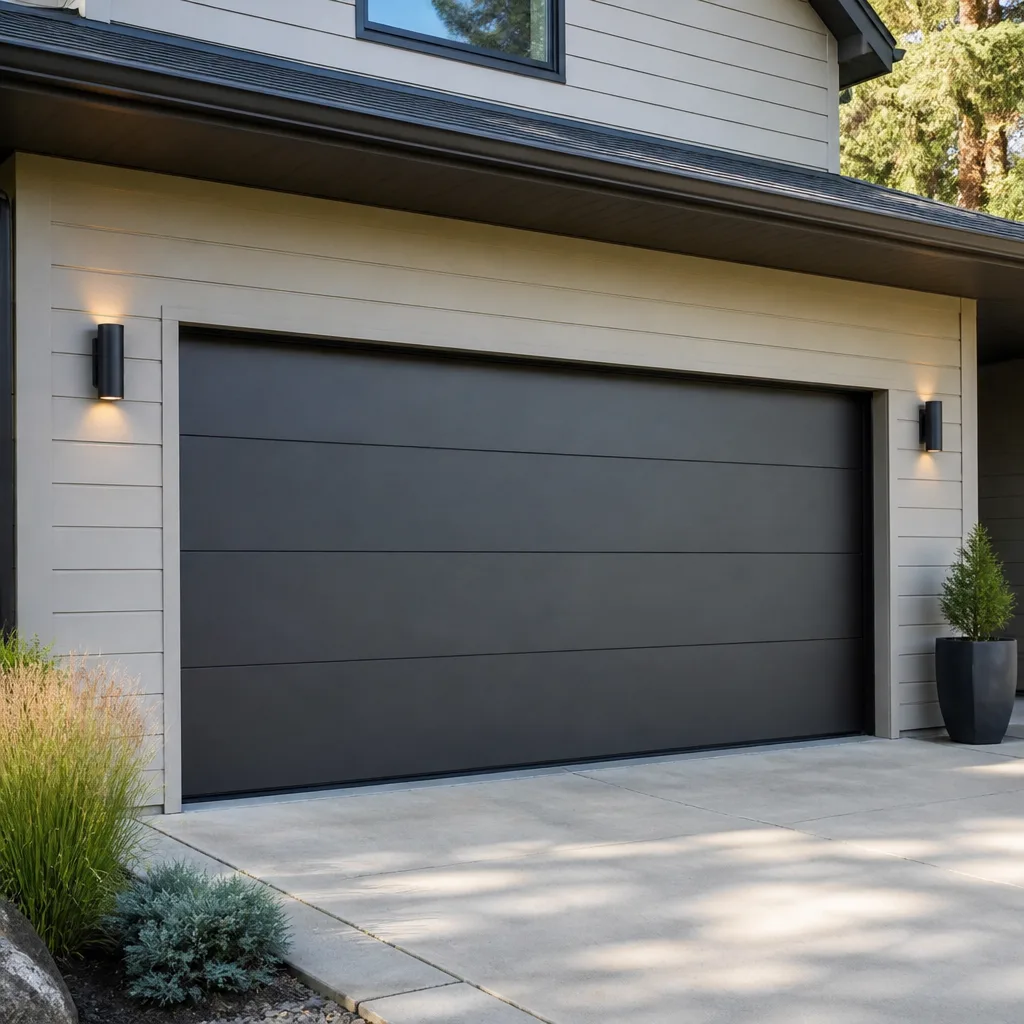 Modern flush
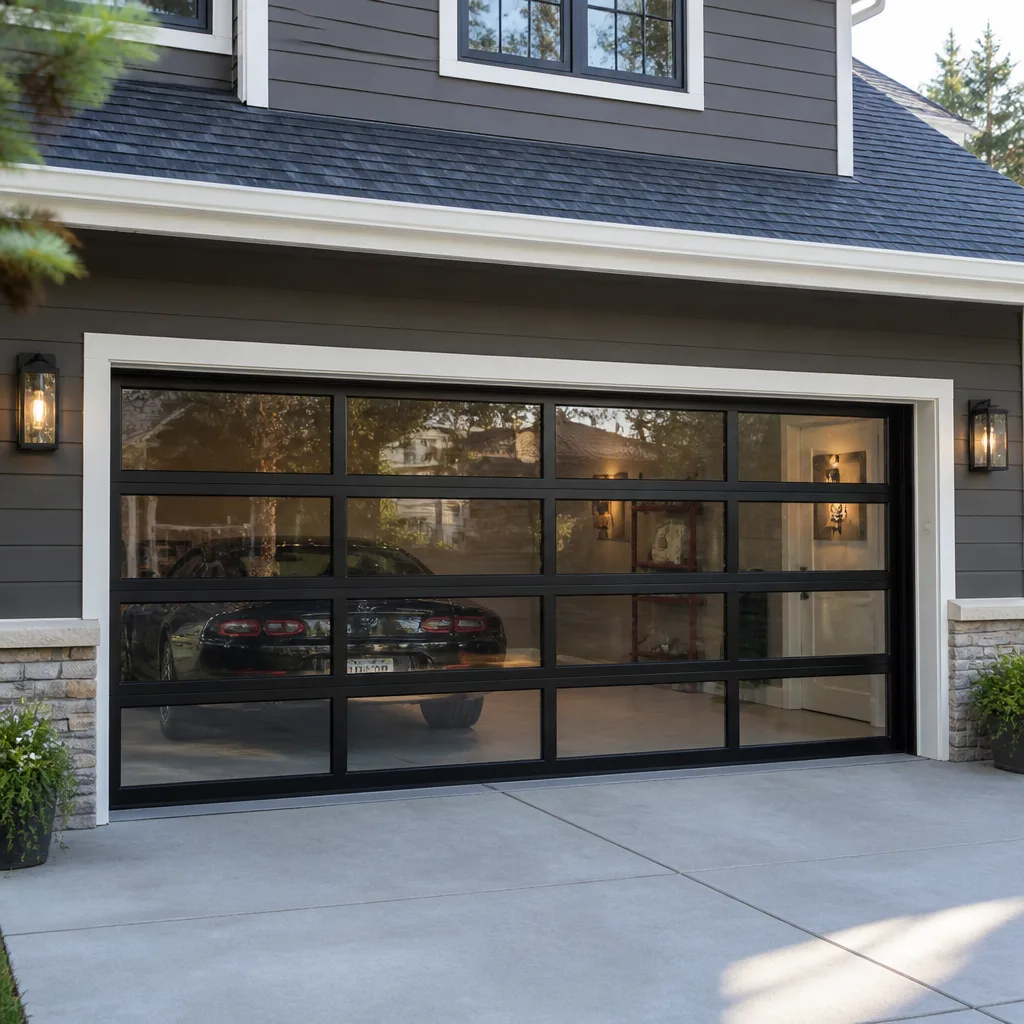 Full-view glass
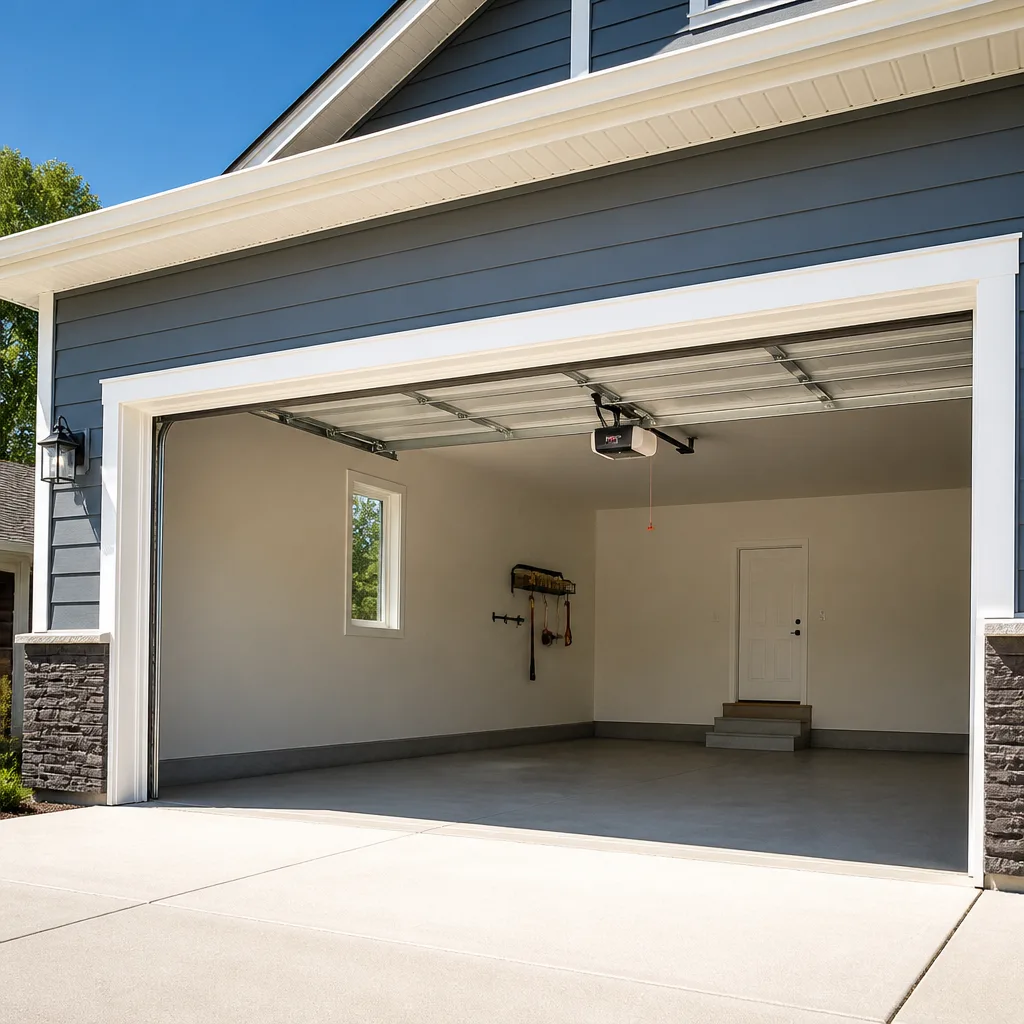 LiftMaster openers
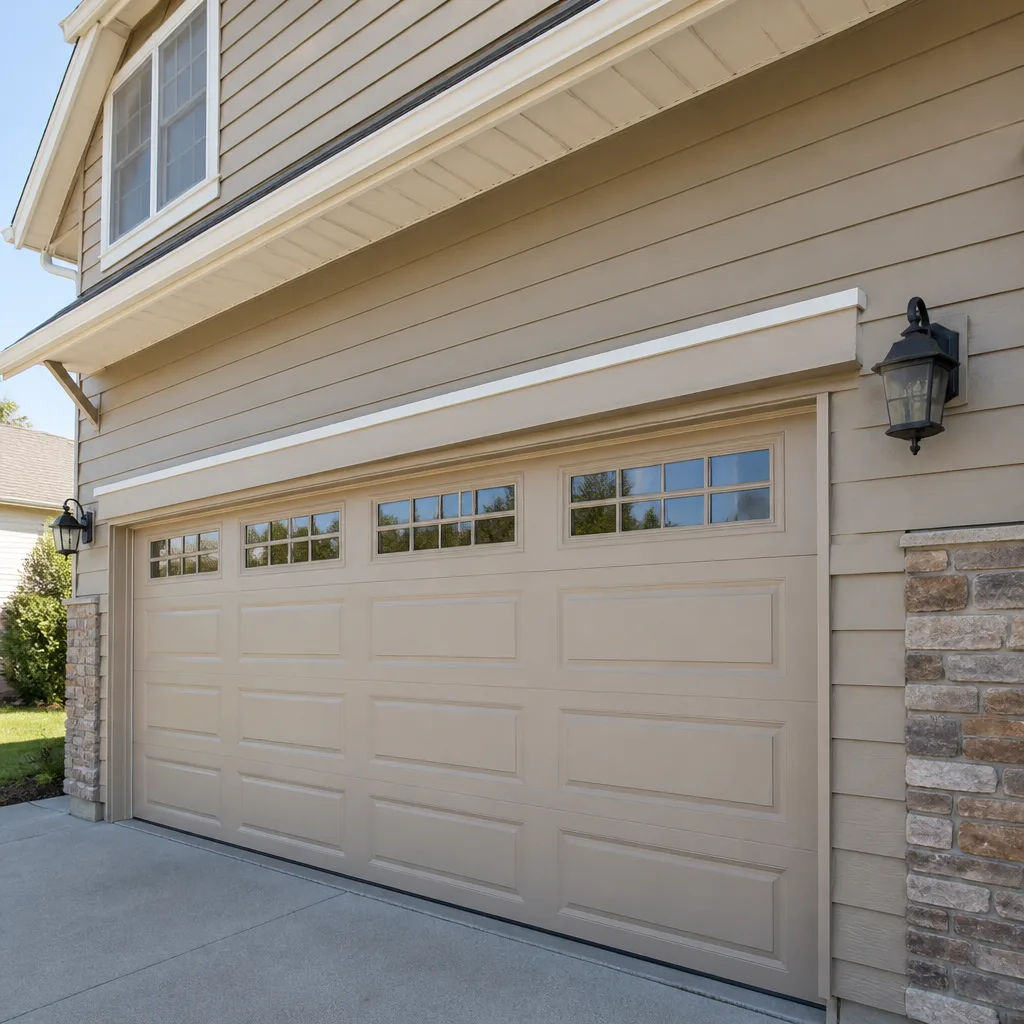 Chamberlain openers
Full 25-point door and opener safety check with every visit - springs, cables, rollers, tracks, and your LiftMaster or Chamberlain opener included
You get a price before we start. It does not change when the pro arrives.
Get your free estimateChoosing the Right Garage Door Brand: A Buyer’s Guide for Brockton
Two garage doors with the same brand name on the box can be priced $400 apart and last fifteen years differently. The spec that explains that gap is rarely the one the showroom puts on the display card. Walk into most garage door dealers in Brockton and you’ll see the logo first: Clopay here, Amarr there, LiftMaster openers on the wall. What you won’t see is the steel gauge, the insulation type, or whether the parts inside that door will still be stocked in a decade. This guide covers what actually separates one door from another for a Brockton home: how the steel is formed, how it handles New England freeze-thaw and humidity, how much insulation matters when the garage shares a wall with the house, and why parts availability for your specific brand matters as much as the door itself. We’ll show you how to read a spec sheet, what questions to ask, and which trade-offs are worth paying for.
Quick Answer
The best garage door brand for a Brockton home is the one whose steel gauge, insulation type, and parts supply chain match your climate and your garage’s use – not simply the brand with the biggest logo at the dealer. For an attached garage in New England, prioritize a door with polyurethane insulation (R-value typically in the R-12 to R-18 range), a steel skin of at least 24 gauge, and a brand whose hardware and panels your local contractor can source quickly: Clopay, Amarr, Wayne Dalton, and Raynor all fit that bill. For openers, LiftMaster and Chamberlain share the same engineering lineage and parts; Genie is a solid alternative with its own ecosystem. The right choice depends on your garage’s exposure, your budget, and how long you plan to stay.
Styles & brands we work with
- Raised-panel steel
- Carriage house
- Modern flush
- Full-view glass
- LiftMaster openers
- Chamberlain openers
Table of Contents
- Why the Brand Name on the Door Isn’t the Whole Story
- How to Read a Garage Door Spec Sheet
- Which Materials Hold Up in Brockton’s Climate
- Insulation Value for Attached Garages: What R-Value Is Worth Paying For
- Parts Availability: The Brand Question Nobody Asks
- How Garage Door Warranties Actually Work in Practice
- Opener Brands: Why LiftMaster, Chamberlain, and Genie Handle Differently
- A Step-by-Step Process for Choosing Your Brand
Why the Brand Name on the Door Isn’t the Whole Story
Most of the well-known garage door brands make a range of products under a single label, from builder-grade doors that a production home builder puts on a new house to premium insulated doors for custom homes. Clopay, for example, sells a full line that spans entry-level steel panels up to carriage-house style doors with polyurethane cores. Amarr does the same. So does Wayne Dalton. The label on the door tells you who assembled it, but not much else.
What actually differs is inside those lines:
- Steel gauge: Entry-level doors often use 25- or 26-gauge steel. Better doors use 24-gauge or heavier. Thinner steel dents more easily, especially in a garage where bikes and ladders lean against the door.
- Insulation type: Polystyrene (the white foam bead board) is cheap and light. Polyurethane is denser, stronger, and holds a much higher R-value per inch. The two are not interchangeable.
- Section design: Two-inch-thick sections with a thermal break (a plastic strip separating the inner and outer steel skins) perform better than a single-layer door with no insulation at all.
- Hardware quality: Hinges, rollers, and track on a builder-grade door often outlast the door panels themselves, while heavier doors get heavier components.
In our experience working on all eight major brands across Brockton, we see the same pattern: a homeowner buys by brand and price, then discovers five years later that the door they got was the bottom of that brand’s line, not the top. Knowing how to read a spec sheet avoids that.
How to Read a Garage Door Spec Sheet
A spec sheet does three things if you know how to read it: it tells you what the door is made of, how it will perform in a Brockton climate, and what maintenance it will need. The three numbers that matter most are steel gauge, R-value, and insulation type. Everything else – color, window pattern, hardware finish – is cosmetic and can be changed after the fact. Those three cannot.
Steel gauge
Steel gauge runs backward: lower numbers mean thicker steel. A 24-gauge door is heavier and stronger than a 26-gauge door. For a home in Brockton where the garage is daily-used and kids’ bikes and sports gear live in it, 24-gauge is the practical floor. Some premium doors go to 22-gauge or heavier, but those are also priced accordingly.
R-value
R-value measures resistance to heat transfer. A single-layer steel door has an R-value around R-1 to R-2, roughly the same as a wall of drywall. An insulated polyurethane door can sit anywhere from R-7 up to the R-12 to R-18 range depending on thickness and construction. For an attached garage that shares a wall and ceiling with the living space, the difference between these two figures is real and worth paying attention to (more on this below).
Insulation type
The two materials you’ll see specified are polystyrene and polyurethane. Polystyrene is a bead foam glued between steel skins. It’s lighter, cheaper, and lower R-value. Polyurethane is injected and bonded, denser, and delivers a significantly higher R-value for the same door thickness. The polyurethane door also feels more solid and dents less. It costs more – typically in the range of $300-$700 more per door depending on the line – and the payoff is performance and lower operating noise.
If the spec sheet lists an R-value without saying which insulation type, ask. A claimed R-12 means very different things depending on the material behind it. Our technicians have up to 14 years of experience reading these specs on-site, and it’s one of the questions we always clarify before recommending a replacement.
Which Materials Hold Up in Brockton’s Climate
Brockton sits in a New England climate that cycles through a wide temperature range, holds humidity in the summer, and goes through repeated freeze-thaw cycles from late fall through early spring. That combination stresses garage doors in specific ways, and it doesn’t affect all materials equally.
Steel
Steel is the most common door material in Brockton, and for good reason. It handles temperature swings without warping, holds paint well, and holds up to snow and rain. The main enemy isn’t the weather itself; it’s water sitting against bare steel where paint has worn off, especially at the bottom panel where road salt and slush collect. Bottom section corrosion is the first thing we look for on an older steel door in Brockton. A painted, insulated steel door will serve through a Massachusetts winter better than almost anything else in the same price bracket, provided the paint film stays intact.
Aluminum
Aluminum doesn’t rust the way steel does, but it dents more easily and expands and contracts more with temperature. In a Brockton climate with sharp temperature drops, aluminum panels can show more panel separation and rattle than steel. Lightweight aluminum doors are common on newer construction where the builder wanted a light door for a lower-cost opener, and they’re serviceable, but they’re not the choice for a door expected to see heavy daily use.
Wood
Wood doors are attractive and have a distinct look that fits some of Brockton’s older homes and the carriage-house aesthetic on some of the city’s residential streets. But wood needs refinishing every couple of years in this climate to keep moisture out, and neglect leads to warping, cracking, and rot in the bottom rail. In a New England freeze-thaw cycle, water gets into seams and expands when it freezes, and that’s what splits wood. Wood is a preference, not a performance advantage, for a Brockton garage.
Composite and fiberglass
Composite doors mimic wood grain with a steel or fiberglass skin. They resist moisture better than wood and need less maintenance. They’re a good middle-ground choice for a homeowner who wants the wood look without the refinishing schedule. Fiberglass itself is lighter and rust-proof, but it can crack at low temperatures if it’s not a high-quality layup. Worth asking the installer which composite system they’re specifying and how it’s held up on service calls in similar climates.
The bottom line on material: for a Brockton home, an insulated painted steel door is the low-maintenance workhorse, wood is a look you maintain, and composite/fiberglass is a valid option if you want the look without the upkeep.
Insulation Value for Attached Garages: What R-Value Is Worth Paying For
If your Brockton home has an attached garage, the garage door is the largest single opening in the thermal envelope of the house. It shares at least one wall with the living space and often shares a ceiling with a room above. Whether the door is R-2 or R-14 changes how much heat moves through that opening in winter and how much heat leaks back out of the house in summer.
What R-value actually does
R-value resists heat flow. In a Brockton winter, a garage that stays a few degrees warmer with an insulated door means the shared wall between garage and house is warmer, which means rooms on the other side of that wall feel warmer without the heating system working as hard. It also means the garage stays cooler in summer, which matters for anything you store there and for the door’s own hardware.
The realistic energy impact
An uninsulated door is roughly the thermal equivalent of an open window in a wall. Moving from an uninsulated single-layer door to a polyurethane-insulated door at R-12 or better is a meaningful improvement in that one wall’s performance. Moving from R-12 to R-18 is a smaller marginal gain. What you’re really buying above R-12 is sturdiness, noise reduction, and a heavier door that stands up to wind and jostling, not an incremental energy savings story that a utility bill will chart for you.
What’s worth paying for in a Brockton home
- Insulation type matters more than the exact R-number. A polyurethane core at R-12 outperforms a polystyrene core at the same claimed R-value in real installed performance. Ask for the type, not just the number.
- Thermal breaks between inner and outer skin stop the steel from conducting cold straight through. A door with a proper thermal break is meaningfully better than one without, regardless of R-value.
- Weatherstripping at the bottom and sides is often more impactful than a higher R-value, and it’s cheaper. If your current door seals poorly, the R-value of the door panels is not your first problem.
- Garage ceiling and walls: An insulated door on an uninsulated garage only does so much. If you’re planning to spend real money on R-value, ask whether the shared wall and ceiling are already insulated.
For most Brockton homes, an R-10 to R-14 door with polyurethane insulation and a thermal break is the sweet spot. Going higher is worth it only if the garage is used as finished or semi-finished space. This is exactly the kind of question we work through during a free estimate, and the answer depends on the house’s construction as much as the door.
Parts Availability: The Brand Question Nobody Asks
Brand matters less on day one than on year eight. That’s when a spring snaps, a roller comes apart, or the opener’s logic board fails, and the only question is whether the part can be sourced and installed in a reasonable time. For a Brockton homeowner, whether a contractor can get you the part locally or has to order it from a regional warehouse is a real service difference.
The brands we work on all have parts available. The question is how quickly. LiftMaster and Chamberlain share the same parent company and a large portion of their components, so their parts tend to overlap and be more widely stocked. Genie has its own ecosystem, well supplied, but not interchangeable with the others. Clopay, Amarr, Wayne Dalton, and Raynor use their own hinges, rollers, and panel profiles on many of their lines, so a Clopay bottom panel isn’t a substitute for an Amarr bottom panel, and a Wayne Dalton hinge isn’t a good fit on a Raynor track. This is why it matters to know the brand and model of your existing door before you choose the same brand again, and why it matters to ask a contractor which brands they can get parts for.
How to ask a contractor whether they stock parts locally
- Ask which brands’ parts they keep on hand or can get within a day or two. A contractor who can name specific parts (springs, cables, rollers, hinges) and which brands they apply to is more useful than one who says “we can get anything.”
- Ask whether their supply comes from a regional warehouse or a manufacturer direct. Regional warehouse access usually means faster turnaround on a spring or roller.
- Ask what happens if a part is back-ordered. A good answer is a clear timeline, a plan for a temporary fix, or a workaround (like a matched spring set from a compatible manufacturer when the OEM part is unavailable).
- Ask how the part is warranted. Most parts come with their own warranty from the manufacturer, and it’s useful to know whether the labor is covered separately.
When we quote a garage door spring repair, part of what we check before we leave is whether the specific spring diameter and wind is something we can source locally if it fails again. That’s the kind of question a brand choice answers years in advance.
How Garage Door Warranties Actually Work in Practice
Garage door warranties usually split into three separate coverages: the door sections, the hardware, and the finish. Each one has a different length and each one has conditions that void it. Reading the fine print now saves a headache later.
What voids a typical door warranty
- Installation by an unqualified installer. Most manufacturers require installation by a licensed or authorized installer for the warranty to apply. Some require the original installer to be documented on the invoice.
- Alterations or repairs by someone else. If the door is repaired or modified by a third party, the manufacturer may void the coverage for the affected section, especially hinges and panels.
- Failure to maintain. Annual lubrication, hardware adjustment, and (for wood doors) refinishing are typically required to keep the warranty valid. Manufacturers can ask for service records.
- Improper opener installation. If the opener was installed outside the manufacturer’s spec for that door weight, the door warranty can be affected. This is a real risk when a homeowner replaces a door without changing the opener or vice versa.
- Unauthorized parts. Using replacement parts that aren’t from the door or opener manufacturer can void the warranty on the affected parts, though it usually doesn’t void the whole door.
What requires original installer documentation
Most door manufacturers require proof of purchase and often a record of who installed the door before they’ll honor a panel claim. This is why a homeowner who bought from a big-box store and had it installed by a general handyman often has trouble making a warranty claim later. The paperwork from the original installation matters. A local full-service contractor who installs and also services the door is in a better position to document the install and to make a warranty claim on your behalf, because they’ll still have your installation record when a claim comes up.
The parts-and-labor split
Most manufacturer warranties cover parts only. Labor to replace a failed part is usually on the homeowner, though a full-service contractor can often bundle the labor into a service call in a way that’s more efficient than paying a separate contractor to come back. Ask upfront what the labor cost is for a warranty replacement and whether the manufacturer or the installer covers it. When we install a door, we keep a record of what we installed and when, which is a big help if a warranty question comes up two winters later.
What voids an opener warranty
Openers are usually more sensitive. An opener matched to a door that’s too heavy, an opener with a non-manufacturer accessory controller, or an opener wired to a garage’s electrical panel by someone who didn’t follow the manufacturer’s spec can all void coverage. If you have a LiftMaster, Chamberlain, or Genie opener and you’re thinking of a new door, ask before you buy whether the current opener is rated for the new door’s weight. That single check protects your opener warranty.
Opener Brands: Why LiftMaster, Chamberlain, and Genie Handle Differently
The opener is a separate purchase from the door and a separate brand decision. LiftMaster and Chamberlain share most of their engineering, so parts and diagnostics are similar. Genie is a distinct ecosystem with different diagnostic protocols. What matters for a Brockton homeowner isn’t which one is “best” in the abstract but whether the technician diagnosing your opener actually knows that brand’s control system.
LiftMaster and Chamberlain
These two dominate the residential market and share a lot of parts and technology. Features like MyQ smart control, battery-backup models, and the Wi-Fi-connected line operate on the same general architecture between the two brands. If your opener is failing, common failure points include the logic board, the travel limits, the safety sensor alignment, and the drive gear. A technician familiar with the LiftMaster/Chamberlain line can usually identify the failure faster because the diagnostic patterns are consistent across years of models. When we do garage door opener repair, we work on these control systems directly, not generically.
Genie
Genie openers have their own control systems, their own safety sensor behavior, and their own wall console wiring. They’re reliable but often get misdiagnosed as “the opener is dead” when the actual issue is a sensor or a limit switch specific to the Genie design. If your Genie opener is failing, tell the technician what model you have so they can come prepared.
What actually breaks
- Safety sensors: The most common failure across all brands. Usually alignment or a damaged lens, not a dead opener. Misalignment can also happen from a shifted door, not the sensor.
- Logic board: Common after power surges. LiftMaster and Chamberlain boards are widely available; Genie boards are also available but model-specific.
- Drive gear and trolley: Wears out slowly. If the opener runs but the door doesn’t move, suspect the gear or the trolley before the motor.
- Battery backup: A common addition on newer openers. When it fails, the opener may reject commands.
When we quote opener repair, we confirm the brand and model first. That way the diagnosis matches the actual system and the price you’re quoted is the price you pay. It’s the same reason we ask about your door brand before quoting a door service: garage door repair on a Clopay door and on a Wayne Dalton door start from different parts lists.
A Step-by-Step Process for Choosing Your Brand
Choosing a garage door brand isn’t one decision; it’s a sequence. Here’s a process that works for a Brockton homeowner, whether you’re replacing an aging door or choosing the brand for a new construction or renovation.
- Identify what you have now. Open the door and look for the brand and model sticker on the inside panel or on the end stile. Check the opener’s label (on the back panel or the motor housing). Write down both. If you’re replacing, knowing your current brand helps the contractor quote a compatible replacement and see whether your opener can stay.
- Measure the garage opening and note the surrounding space. A standard Brockton two-car garage is 16 feet wide and 7 or 8 feet tall, but measure to confirm. Also note whether the garage ceiling is high enough for a standard track or whether it needs a low-headroom setup. The available headroom and side room limit which brands’ products fit.
- Decide the priority: insulation, maintenance, or look. If the garage is attached and used daily, insulation and steel gauge matter most. If it’s a detached garage used for storage, an uninsulated door is entirely reasonable. If the look matters (a carriage-house style on a specific street), the brand’s design line is the deciding factor.
- Ask about spec-sheet details for the specific door. Don’t ask “is this a good door?” Ask “what gauge is the steel, what insulation type, what R-value, and does it have a thermal break?” A contractor who answers these without checking has either memorized them or is guessing.
- Ask about parts availability for the brand and model. Ask specifically which hardware, springs, and panels are available for the model you’re considering, and where the contractor sources them. Confirm they can get parts locally or within a few days.
- Ask about the installation warranty in writing. Manufacturer warranty, labor warranty, and the contractor’s own workmanship warranty are three separate things. Get them in writing, along with the model numbers being installed.
- Compare at least two quotes with the same spec. Brand and price alone are not comparable; ask each contractor to quote the same gauge, insulation type, and R-value so the comparison is real.
This process is the reason our free estimates take the time they do. Whether you’re comparing a Raynor, Clopay, LiftMaster, or Chamberlain setup, getting the specification right now saves you from a door that doesn’t fit your Brockton home’s climate or your garage’s use.
Common Mistakes to Avoid
- Buying by brand name alone. Two doors from the same brand can differ by $400 and years of service life, so ask for the model, gauge, and insulation type before you commit.
- Ignoring insulation type when comparing R-values. A claimed R-value means nothing for a Brockton home without knowing whether it’s polystyrene or polyurethane behind it. Ask the question.
- Replacing a door without checking the opener’s weight rating. If the new door is heavier, your existing opener may not lift it properly, and using an undersized opener can lead to call-outs and potentially void the opener warranty.
- Choosing a low-maintenance brand and then skipping the maintenance. Even a painted steel door in Brockton needs an annual check of the bottom section for water and road salt, and a lube of the hinges and rollers.
- Not writing down the brand and model now. Years down the road, the sticker on the door fades or gets painted over, and identifying the door for a part becomes guesswork. Snap a photo of the label today.
- Assuming a big-box store’s “installer” carries the manufacturer warranty. Many door warranties require documentation of the original installer. Confirm before you buy that installation paperwork will be preserved.
- Paying extra for a premium brand when the real bottleneck is your garage’s weatherstripping. If the door seals badly or the garage door sits on a sloped driveway with gaps, that’s the first thing to fix, not the brand.
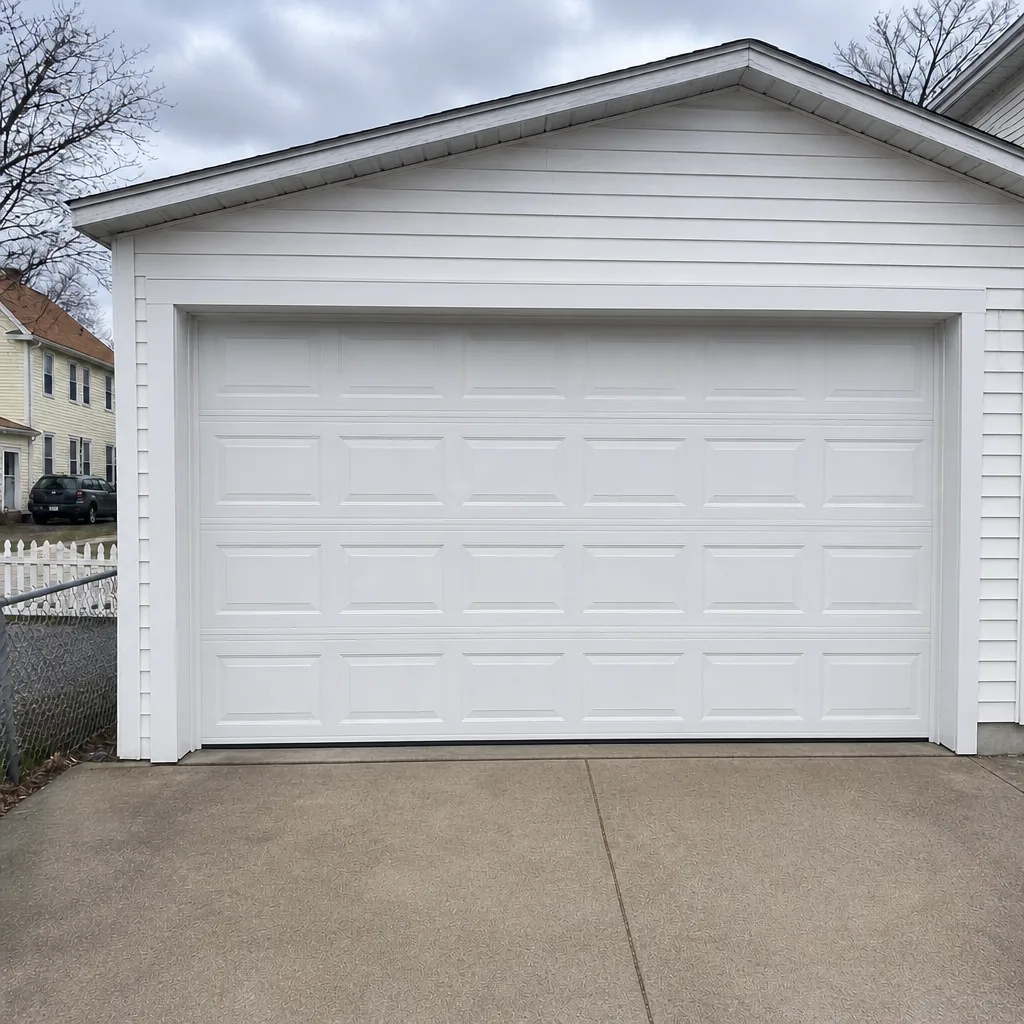
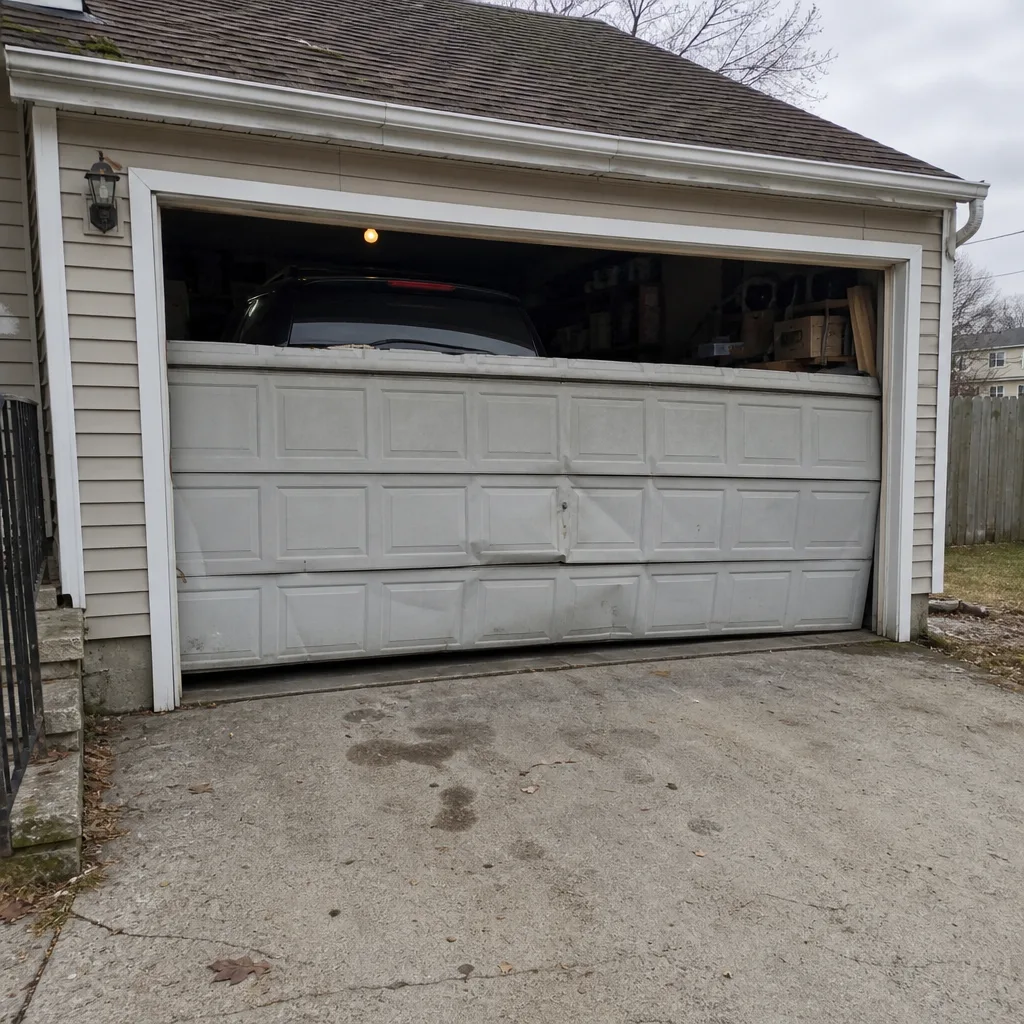
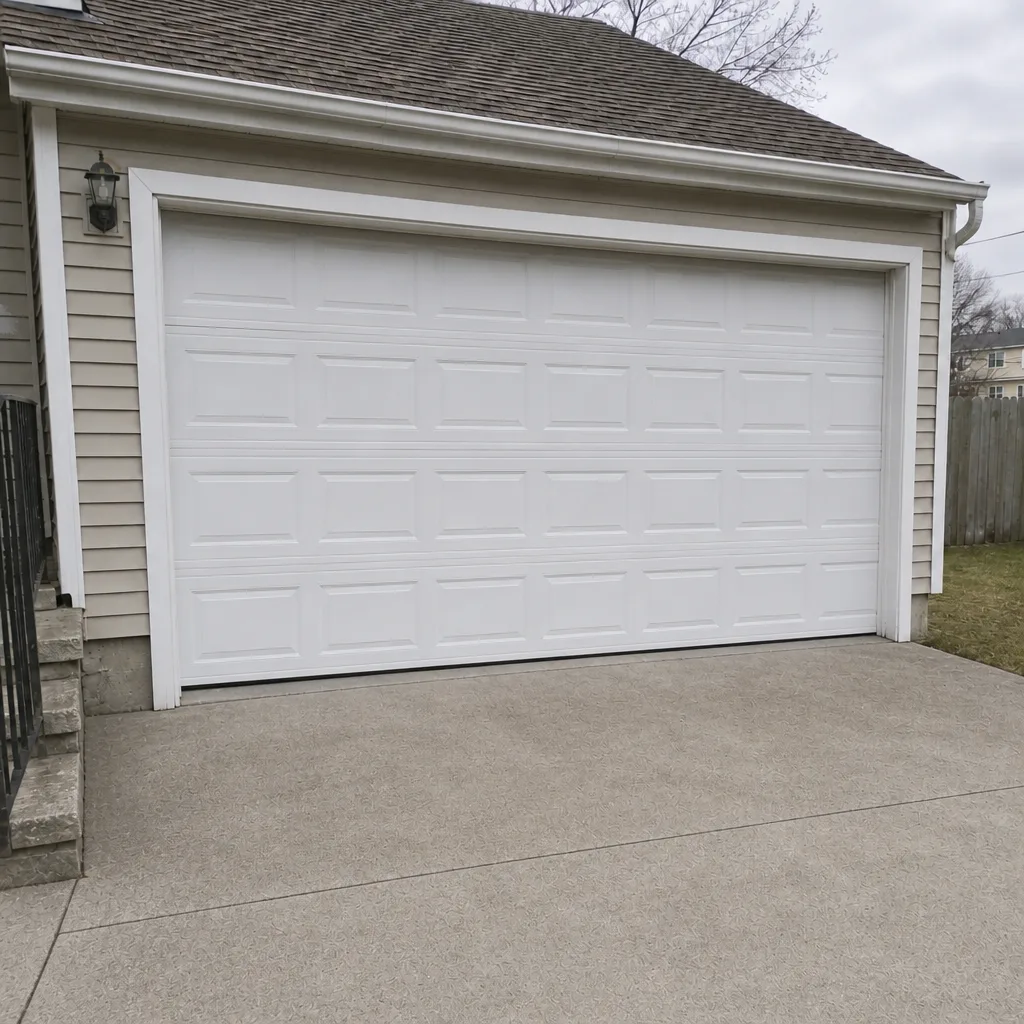
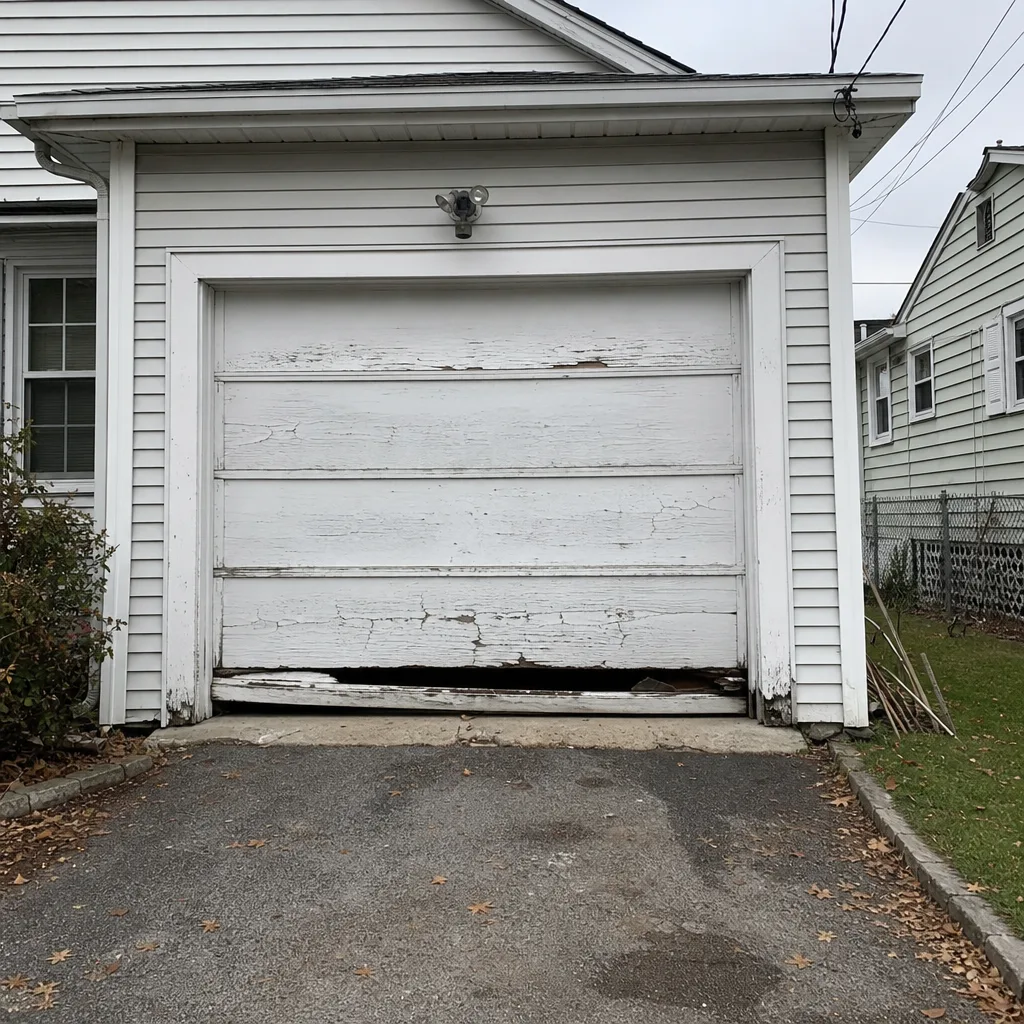
See the difference
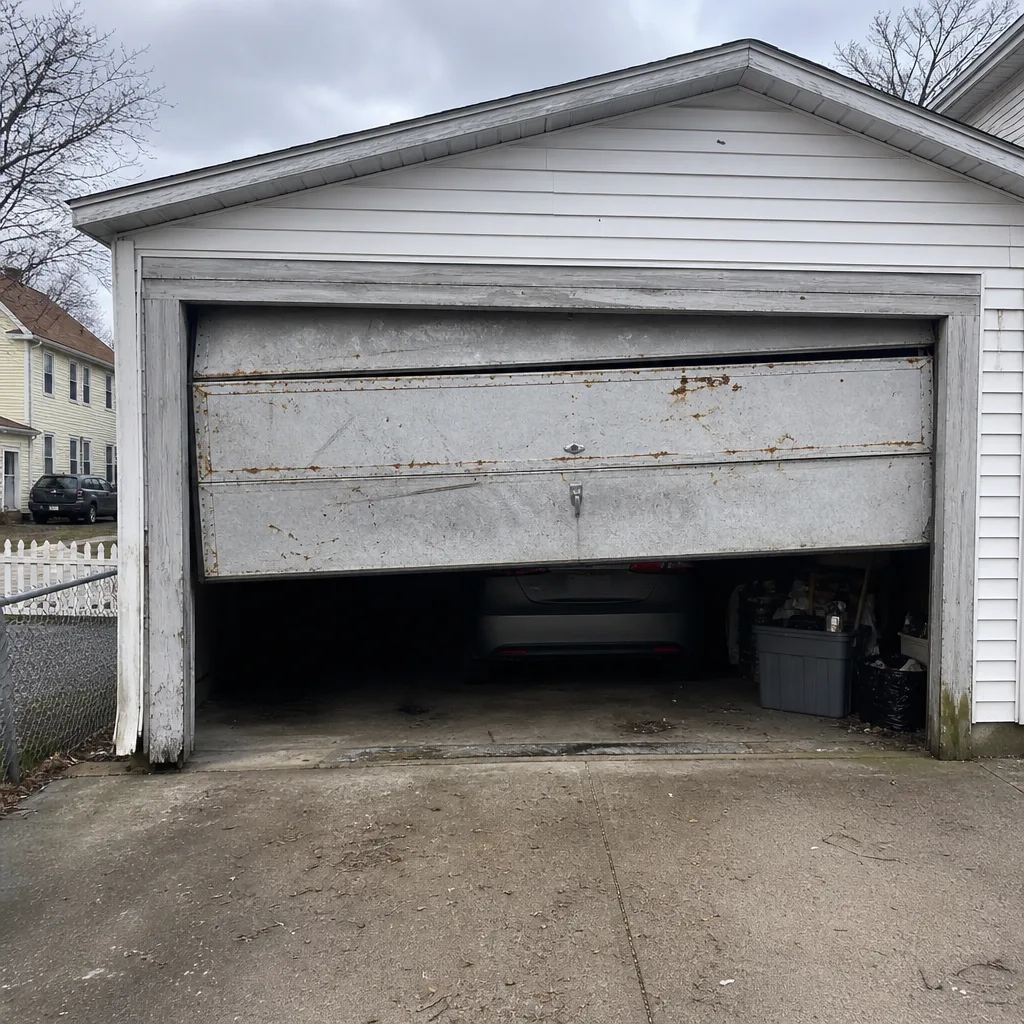 Before
 After
 Before
 After
 Before
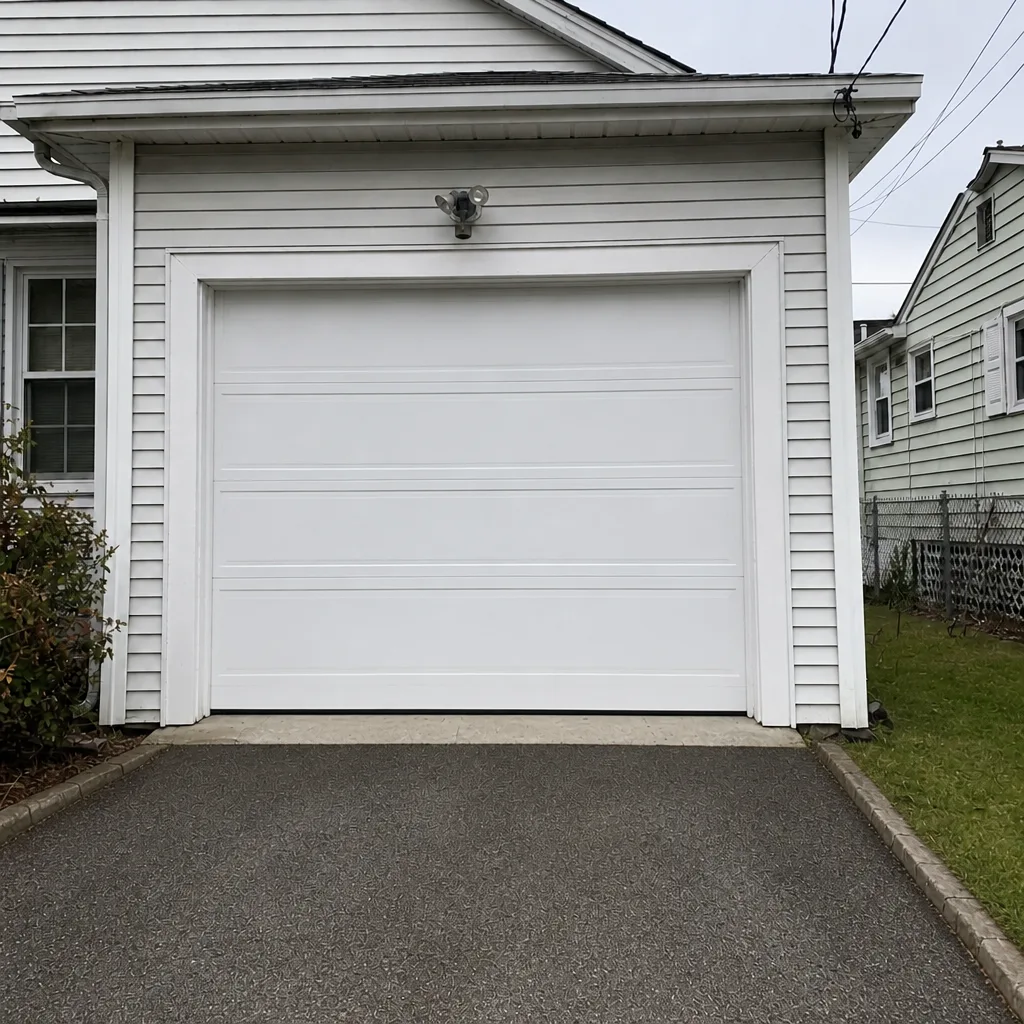 After
When to Call a Professional
A garage door brand choice belongs with a professional, mostly because the specification matters and the safe installation of a heavier, insulated door requires expertise. If any of these describe your situation, it’s time to call:
- You’re replacing an older door and you don’t know whether your opener can handle the new door’s weight.
- Your door has started binding, sticking, or making uneven noises, which can indicate a worn part or a track issue that a new door won’t fix.
- You’ve found the right brand and model but want a written spec sheet and price before committing.
- Your existing door’s brand is unclear and you need parts for a repair.
Garage Door Repair Brockton Pros offers free estimates in Brockton. Call (833) 508-9262. We answer 24/7. Fast dispatch from 7am to 7pm, Sunday through Friday.
Frequently Asked Questions
For most Brockton homes with an attached garage, a well-insulated steel door with polyurethane insulation and a thermal break is the best practical choice, and Clopay, Amarr, Wayne Dalton, and Raynor all offer strong options in that category. The brand is less important than the spec: check steel gauge (24-gauge or heavier), insulation type (polyurethane, not polystyrene), and the model’s parts availability. Call us at (833) 508-9262 and we’ll confirm what fits your garage before you commit.
Yes, if the garage is attached and shares a wall with the house, insulation is worth paying for and the R-value typically cited for this climate is around R-10 to R-14 with a polyurethane core. For a detached garage that only stores items, an uninsulated door is reasonable. The best way to know your home’s case is a free estimate: call (833) 508-9262.
A quality insulated steel door with a well-maintained finish typically lasts in the range of 15-20 years in this climate, with the main wear points being the bottom panel (road salt and water), the springs, and the opener. Wood doors need refinishing every couple of years to reach that lifespan. Call (833) 508-9262 for a look at yours.
Not always. If your existing opener’s weight rating matches the new door’s weight and the opener is in good condition, it can usually stay. If the new door is heavier (typically true when moving from an uninsulated door to an insulated one), you may need a stronger opener. Call (833) 508-9262 and we’ll check the opener’s rating against the door you’re considering.
We service LiftMaster, Chamberlain, Genie, Clopay, Amarr, Wayne Dalton, Craftsman, and Raynor doors and openers. Our technicians have up to 14 years of experience and work on the actual systems for those brands; they aren’t doing generic diagnostics. Call (833) 508-9262.
We can give a typical range over the phone for common jobs, but the price that matters is the one in the written estimate, quoted and agreed before any work starts. That’s why we do free estimates. Call (833) 508-9262 to schedule one for your garage door in Brockton.
The Bottom Line
The brand name on a garage door is a starting point, not the answer. For a Brockton home, what actually separates a door that lasts from one that disappoints is the specification inside the label: steel gauge, insulation type, thermal break, and parts availability for that specific model. Choose a brand that offers strong options in the spec you need, then verify the spec with the contractor who’s going to install and service it. For openers, LiftMaster and Chamberlain offer wide parts coverage; Genie is a solid ecosystem with its own diagnostic patterns. Find the right brand, confirm the spec sheet, and keep a record of the model. That’s the choice that a Brockton homeowner lives with for years.
From a broken spring to a brand-new door, we handle repairs, opener diagnostics, spring replacement, and full installations on the eight brands we work on. If you’re evaluating brands right now, call (833) 508-9262 for a free estimate. We answer 24/7. Fast dispatch from 7am to 7pm, Sunday through Friday.
Start here with Garage Door Repair Brockton Pros and we’ll help you choose what fits your home and your garage.
Written by the team at Garage Door Repair Brockton Pros.