
Last updated November 22, 2026
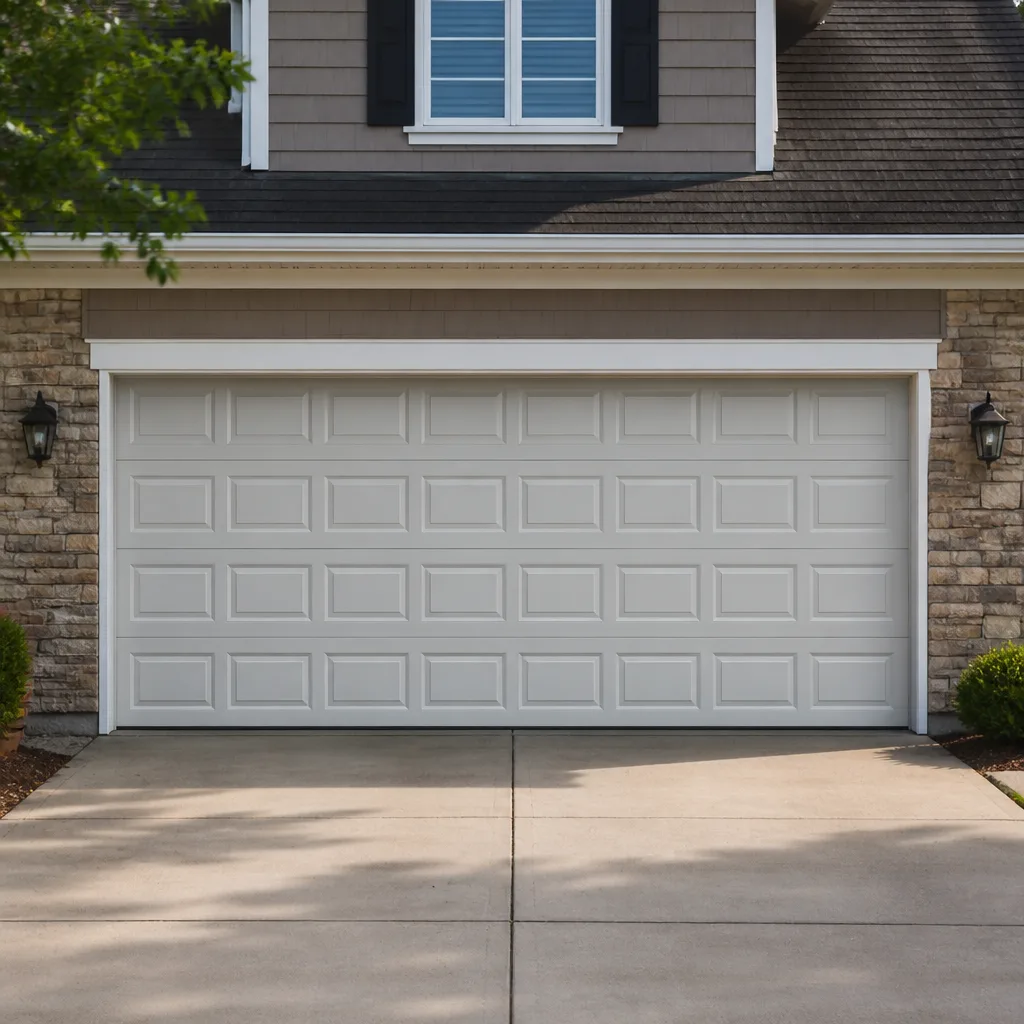 Raised-panel steel
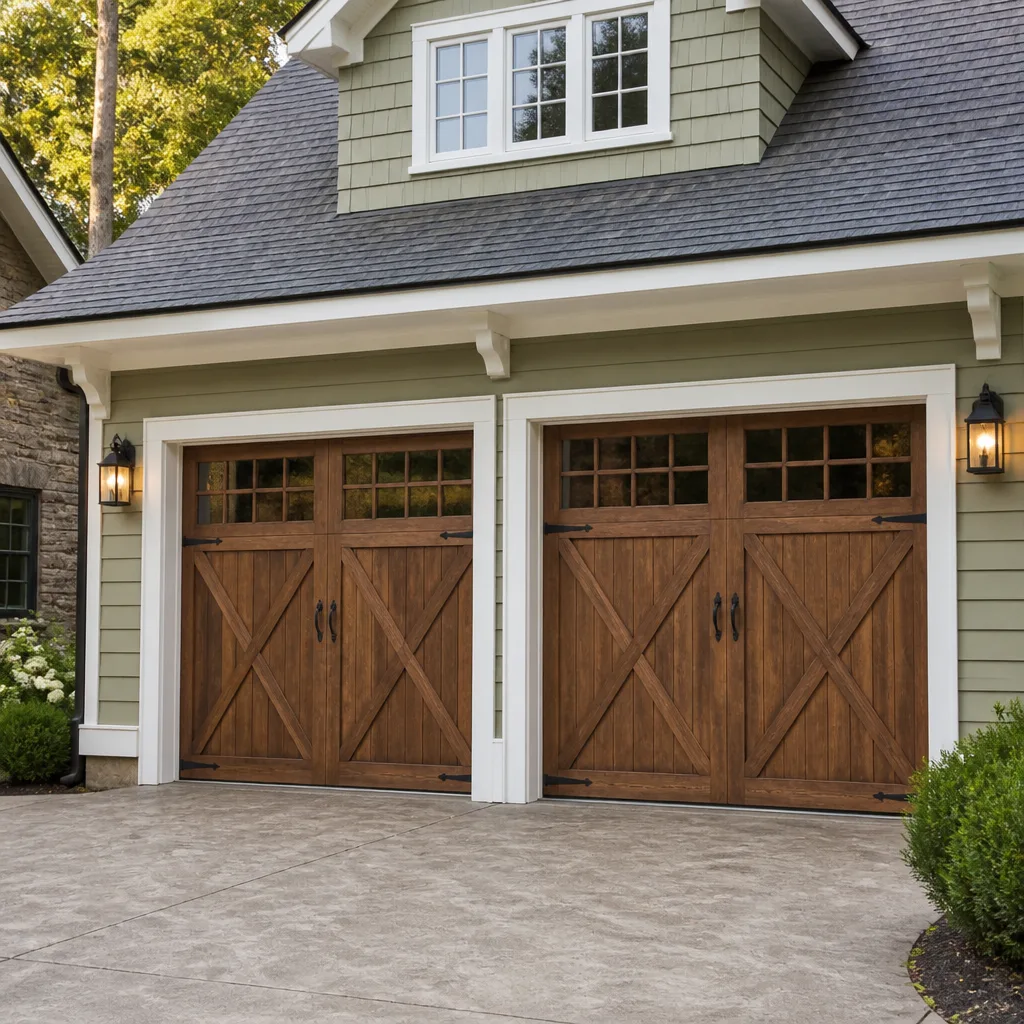 Carriage house
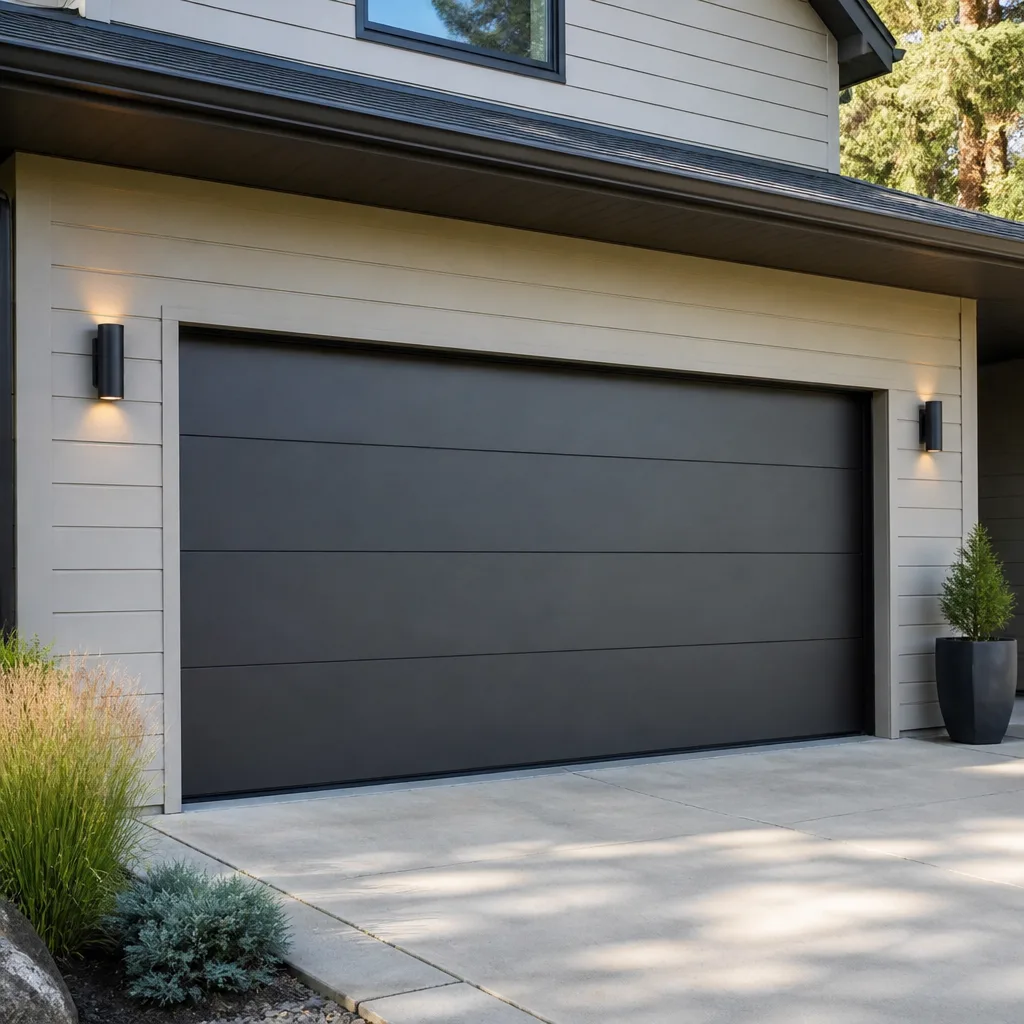 Modern flush
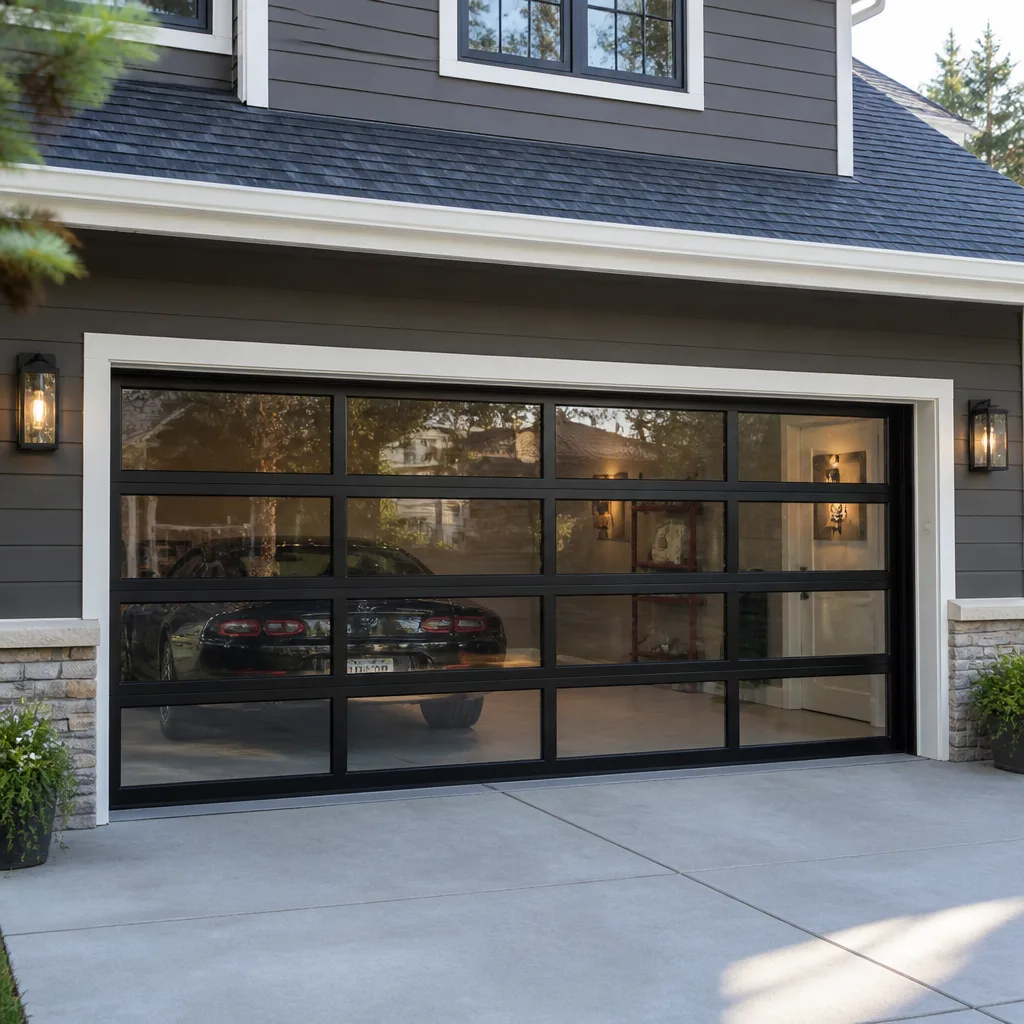 Full-view glass
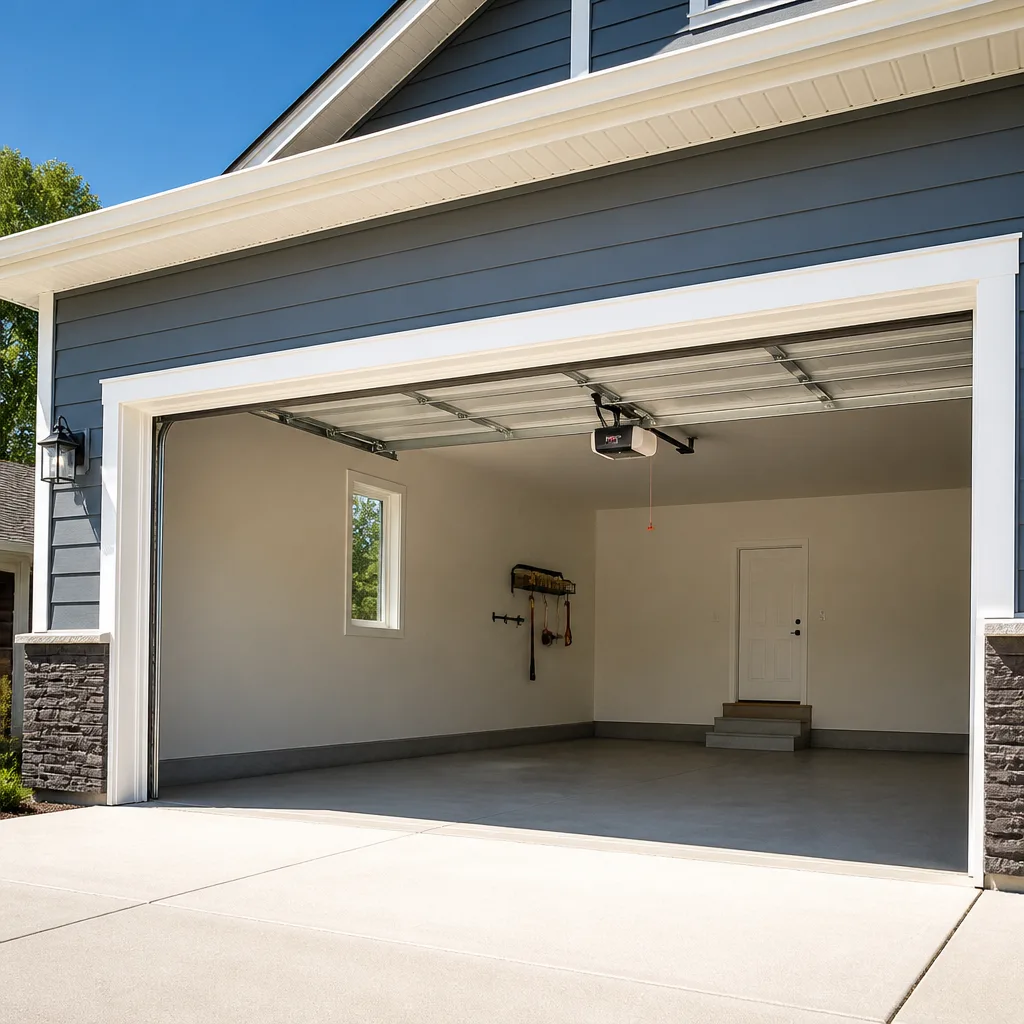 LiftMaster openers
 Chamberlain openers
Full 25-point door and opener safety check with every visit - springs, cables, rollers, tracks, and your LiftMaster or Chamberlain opener included
You get a price before we start. It does not change when the pro arrives.
Get your free estimateGarage Door Emergency Preparedness Guide for Brockton Homes
Most homeowners treat a garage door failure like a weather event: something to react to when it happens. That’s backwards. The four minutes after a door jams, drops off its tracks, or hangs open in a nor’easter are the four minutes that decide whether you’re looking at a quick adjustment or a full cable replacement with a bent bottom section. The wrong move is almost always the instinctive one: forcing the door, yanking the red cord at the wrong moment, or propping a twisted panel with whatever’s in the recycling bin. This guide gives Brockton homeowners a real protocol to follow before the emergency, covering the manual release override, storm-securing an open door, what to do when a spring or cable lets go mid-cycle, and how to tell whether an off-track door can be moved at all. Read it once now, and you’ll handle the failure calmly when it comes.
Quick Answer
A garage door emergency in Brockton usually means one of four things: a snapped spring, a broken or jumped cable, a door off its tracks, or an opener that won’t respond. The safe protocol is to stop operating the door, keep people and vehicles clear, and call for service rather than forcing it. Most spring and opener failures are repaired the same day once a technician sees the door, and We answer 24/7, with fast dispatch from 7am to 7pm, Sunday through Friday. If the door is stuck open and the house is exposed, secure it manually before you do anything else.
Styles & brands we work with
- Raised-panel steel
- Carriage house
- Modern flush
- Full-view glass
- LiftMaster openers
- Chamberlain openers
Table of Contents
- The Manual Release Override: How It Works and When Not to Pull It
- How to Secure a Door Stuck Open During a Storm
- What to Do When a Spring Breaks or a Cable Snaps Mid-Cycle
- Is an Off-Track Door Safe to Move? How to Assess It
- What to Have Ready Before You Call
- Opener Won’t Respond? Power, Remotes and Lockouts
- Preparing Your Door Before the Next Brockton Storm
- What Emergency Garage Door Repair Typically Costs
The Manual Release Override: How It Works and When Not to Pull It
Every residential garage door with an automatic opener has a manual release: a short cord, usually red, hanging from the trolley that rides the opener rail. Pulling it disconnects the door from the opener so you can lift it by hand. That’s the whole mechanism. It exists precisely for the situation where the opener has failed and the car is trapped inside. Knowing where that cord is before you need it is the single most useful piece of garage door emergency knowledge a homeowner can carry.
Here’s what to know about it:
- Where to find it: look up at the opener rail, not the door itself. The cord hangs from a carriage that slides along the rail. On some openers it’s a short chain instead.
- What it does: it releases the door from the motor only. The door’s weight is still held by its springs, which is why the pull has to be done with care.
- How to re-engage it: once the door is closed, pull the cord again or cycle the opener so the carriage reconnects. Many homeowners forget this step and assume the opener is broken.
When to use it: the opener has failed, the power is out and the door is down, or you need to move the car and the door is otherwise sound. Pull the cord with the door fully closed, then lift slowly and deliberately. If the door feels unusually heavy or won’t rise straight, stop.
The one situation where you should not pull the red cord: when the door is open, or when a spring is already broken. Releasing the door from the opener while the door is up removes the only thing holding it. An unsprung door can drop fast enough to cause serious injury. If you are not sure of the door’s condition, leave the cord alone and call. A trained professional can assess the spring system safely. If you need garage door spring repair, a technician will know exactly what to check before the door is moved.
How to Secure a Door Stuck Open During a Storm
A door stuck in the open position during a nor’easter is the emergency most Brockton homeowners fear, and it’s the one you can most often handle yourself with what’s already in the garage. The goal is not to repair anything. The goal is to bring the door down or otherwise block the opening so the house isn’t exposed to wind-driven rain for hours.
Work through these steps:
- Get the car out first if it’s parked in the garage and the weather allows. Once you start securing the door, you may not be able to move the car again until a technician arrives.
- Check the tracks. If the door has come off the tracks, do not attempt to lower it. A misaligned door can fall. Skip to securing the opening instead.
- Lower the door by hand if the spring system is intact and the door is on the tracks. Pull the manual release with the door open only if the opener has failed and you can guide the door down slowly with two people. Never let it drop.
- C-clamp the track above a roller if the door is partly down and won’t close fully. A clamp placed above a roller stops the door from sliding further in either direction.
- Block the opening from the inside if the door cannot move. A sheet of plywood braced against the opening, or a heavy tarp stapled to the framing above, keeps wind-driven rain out. Do not nail or screw into the door panels themselves.
Once the opening is secure, call. A broken spring or a jammed door in Brockton after a storm is something a technician sees regularly. The repair usually takes less time than the cleanup did. Call (833) 508-9262. We answer 24/7. Fast dispatch from 7am to 7pm, Sunday through Friday. A call outside dispatch hours is booked into the next opening, Sunday through Friday, 7am to 7pm.
What to Do When a Spring Breaks or a Cable Snaps Mid-Cycle
If you hear a bang from the garage and the door won’t lift, a torsion spring has probably snapped. If you hear a sharp twang or see a loose cable hanging from the side of the door, a cable has let go. Both are serious. Both call for the same first response: stop operating the door, keep everyone away, and do not try to lift it by hand.
A garage door spring is under enough tension to cause severe injury if it releases while you’re working near it. This is why spring and cable work belongs to a trained technician, and why a reputable service will take the time to inspect the entire system rather than replacing a single broken part and leaving. The cable on one side and the spring on the other wear together. A technician who replaces a broken spring will also check the cables, drums, and bottom brackets, because a door that’s already stressed one component in Brockton’s temperature swings has usually stressed the others.
What you can safely do while you wait:
- Clear the area inside the garage, especially anything directly under the door.
- Unplug the opener so nobody can cycle it by accident. A remote on the kitchen wall still works until you do.
- If the car is trapped and the door is closed with the spring broken, do not pull the release. Call for help and explain the situation.
- Take a photo of the broken part. It helps the technician identify whether it’s a torsion or extension setup before arriving.
If the door has come off its tracks or a cable is whipping loose, call for garage door repair and tell the dispatcher the door is not safe to operate. That gets the right priority and the right parts on the first visit.
Is an Off-Track Door Safe to Move? How to Assess It
An off-track door is the one failure where the honest answer is usually: leave it alone. A door that has jumped its tracks can fall or twist when moved, and the damage from a forced move is almost always worse than the original failure. But you can assess the situation enough to know whether the door is stable and whether the opening is secure.
Run through this assessment from a safe distance, standing to the side of the door and never underneath it:
- Look at both vertical tracks. Are the rollers still inside, or has one or more popped out? A single popped roller at the top may be adjustable. A door with rollers out on both sides is not safe to move.
- Check the door for visible tilt. A door that’s level but stuck is usually an opener or spring problem. A door that’s visibly crooked has lost track alignment and should stay put.
- Look for bent panels or twisted hinges. If the door structure is bent, any movement will bend it further.
- Check the cables. Slack or frayed cables on either side mean the door’s lifting mechanism is compromised. Do not operate the door.
- Check for a visible broken spring above the door. If you can see that one side of the torsion bar is unloaded, the door is unsprung and must not be moved.
If the door is level, on its tracks, and the opener is simply not lifting it, the door may be safe to lower manually. If anything about the door looks off, keep it where it is. A technician will bring the tools to realign the track and check the whole system. If you have a Clopay or Amarr door, mention the brand when you call. Knowing the door means the technician arrives prepared for its specific track and hinge configuration.
What to Have Ready Before You Call
The fastest emergency call is the one where the person on the phone can picture the door before a technician leaves. Having four details ready cuts diagnostic time and gets the right parts on the first visit. You can write these down now and keep them somewhere you’ll find them, like the inside of the garage door or a note on your phone.
Have these ready before you call:
- Door dimensions. Width and height, measured in inches. A standard single door is around 8 or 9 feet wide, a double around 16 feet. If you don’t know, a rough measurement from the floor is enough.
- Door type. Sectional, roll-up, one-piece tilt, or carriage-style. Note whether the panels are steel, aluminum, wood, or composite.
- Brand of door and opener. Check the opener housing for a label. Chamberlain and Genie are two of the most common residential openers, and knowing yours means the technician can diagnose the control board or safety sensors specifically rather than generically.
- What happened leading up to the failure. Did the door close and refuse to reopen? Did it stop halfway? Did the opener run but the door didn’t move? Was there a bang? That sequence tells a technician a lot before the truck arrives.
- Whether the door is currently safe. Off the tracks, stuck open, or closed and locked in place. This affects how the call is handled.
- Your address and whether the car is trapped. If a vehicle is stuck inside, say so. It changes the urgency.
Call (833) 508-9262 when you have this in front of you. We answer 24/7. Fast dispatch from 7am to 7pm, Sunday through Friday.
Opener Won’t Respond? Power, Remotes and Lockouts
An opener that won’t respond is not always broken. Before you assume the worst, run through the simpler causes. It saves a service call, and it teaches you what “normal” looks like on your system.
Check these in order:
- The wall control. If the wall button works but the remote doesn’t, the problem is the remote or its battery. If neither works, the problem is the opener or its power.
- The safety sensors. The two small sensors at the bottom of the tracks must be aligned and lit. A knocked sensor, a cobweb, or a small object in the beam will stop the door from closing. Most openers will still open but won’t close with the beam blocked.
- The lock switch. Many wall controls have a vacation or lock mode that stops remotes from working. If someone pressed it, the opener ignores every remote until it’s turned off.
- The circuit and the panel. Check for a tripped breaker. If the opener lost power and the panel is involved, do not open the panel yourself. Electrical work in a panel is dangerous, and a licensed electrician or a technician who is trained for it should be the one to look. A qualified local professional is licensed and insured as their state requires.
- The opener’s own logic. Modern openers flash error codes with their light. Note the pattern. If the opener is a Chamberlain or Genie, the code corresponds to different faults, and a garage door opener repair technician will read it quickly.
If the opener has failed and the door is sound, the manual release is your way in and out. Just re-engage it before the opener runs again, or the door will travel with the trolley disconnected.
Preparing Your Door Before the Next Brockton Storm
Brockton weather does two things to a garage door. Cold snaps stiffen the grease in the rollers and shrink the metal. Thaw cycles and wet spring storms swell wooden door components and stress the bottom seal. Neither gets easier on a door that hasn’t been looked at in a while. A short prevention routine now saves a long repair later.
What to do each season:
- Test the balance. With the door closed, pull the manual release and lift the door halfway by hand. It should stay where you put it. If it drops or rises on its own, the springs are losing tension and should be adjusted by a technician.
- Check the seal. Look at the bottom rubber and the side weatherstripping. A cracked seal lets water in, and in Brockton that water finds the hinges and tracks.
- Look and listen. A door that groans, squeaks, or screeches has dry rollers or worn hinges. A white lithium grease on the hinges and a silicone spray on the tracks will quiet most of it, but springs need professional service.
- Test the safety reverse. Place a piece of wood flat on the floor under the door and close it. The door should reverse on contact. If it doesn’t, the safety system needs attention.
- Tighten the hardware. The bolts on the hinges and the brackets loosen over time. A socket wrench and ten minutes once a year is enough.
Do not attempt to adjust, lubricate, or replace springs yourself. A torsion system holds dangerous tension even when the door is down. The safest prevention step a homeowner can take is knowing the door’s condition and booking a checkup before the next cold snap. Our technicians have up to 14 years of experience working with Clopay, Amarr, LiftMaster, Chamberlain, Genie, Wayne Dalton, Craftsman, and Raynor systems, so they know what your door needs.
What Emergency Garage Door Repair Typically Costs
Emergency garage door repair in Brockton is quoted per job, not by the hour or by the part, and the written estimate is the price. The typical ranges below are estimates for common repairs in the area. Your written estimate sets the final price, and it’s agreed before any work starts. Emergency work is not charged at a premium; the same job is quoted the same way whenever it’s done.
| Repair | Typical Estimated Range |
|---|---|
| Torsion spring replacement, one spring | $180 – $340 |
| Torsion spring replacement, matched pair (usually replaced together) | $360 – $680 |
| Extension spring replacement, one spring | $150 – $300 |
| Cable replacement, one side | $150 – $280 |
| Roller replacement, full set | $120 – $250 |
| Track realignment or bracket repair | $150 – $320 |
| Opener repair, common faults | $150 – $350 |
| Safety sensor replacement | $100 – $200 |
Two things drive the price up on any estimate: whether the door was moved after it failed, and whether the opener system was stressed at the same time. A door that stayed put after a spring broke is a one-part repair. A door that was forced with a broken spring can need new cables, drums, and sometimes a bottom section. That’s why we say stop the door. If you want a written estimate before any work, call (833) 508-9262. Estimates are free, and the price is agreed before a technician starts.
Common Mistakes to Avoid
- Pulling the red cord while the door is open. The release disconnects the door from the opener, which is the only thing holding a sprung or unbalanced door in the up position. The door can drop without warning.
- Forcing a door that’s off its tracks. Two popped rollers look like a small problem and become a bent track and a twisted panel when the door is muscled. If it’s crooked, stop.
- Trying to repair or replace a spring yourself. Spring repair is the highest-risk job on the door. A torsion spring under load can cause serious injury, and the tools to do it safely are not the ones in a typical Brockton home’s toolbox.
- Ignoring a broken cable because the door still opens. A door operating on one cable is under uneven load. The other side is now carrying the whole door, and a second failure follows the first more often than homeowners expect.
- Treating the manual release as a permanent fix. A door that stays disconnected from its opener isn’t fixed; it’s a door you’ll have to lift by hand until a technician re-engages it.
- Guessing at the opener brand when calling. “It’s a Genie, I think” can send a technician out with the wrong control boards and turn a one-visit repair into two. Look at the label before you dial.
- Assembling a storm-barricade out of what’s in the recycling bin. A door propped with a patio chair and a length of lumber is a door that can shift. Use a proper clamp on the track, a sheet of plywood against the opening, or a tarp stapled to the framing. Nothing leaning.
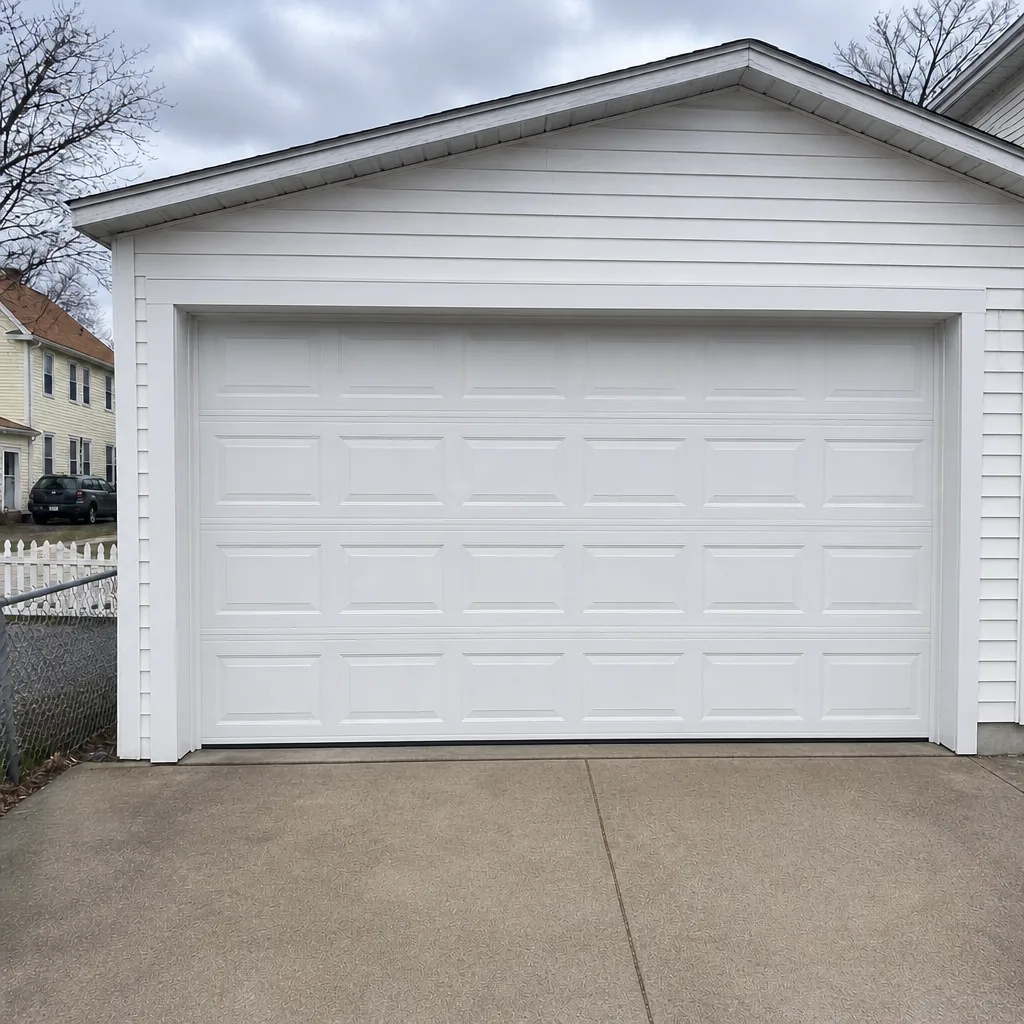
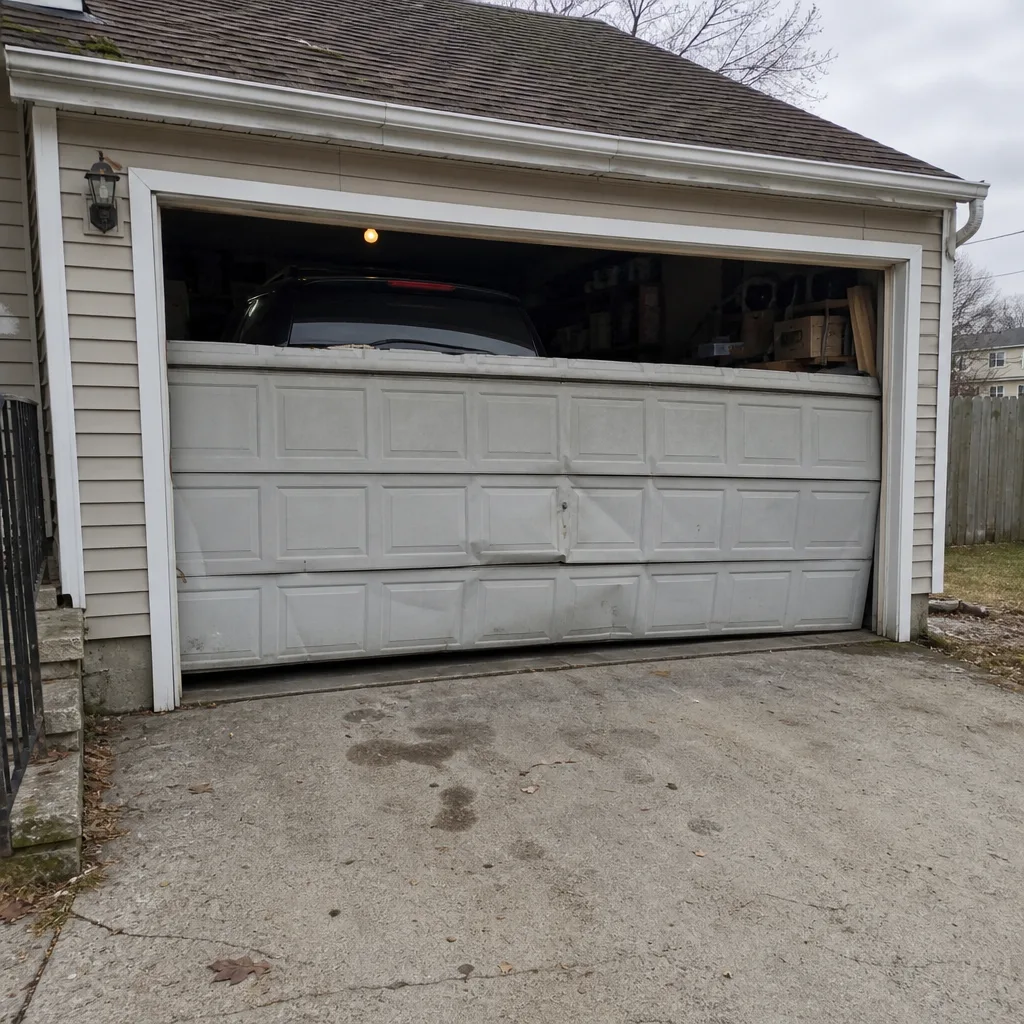
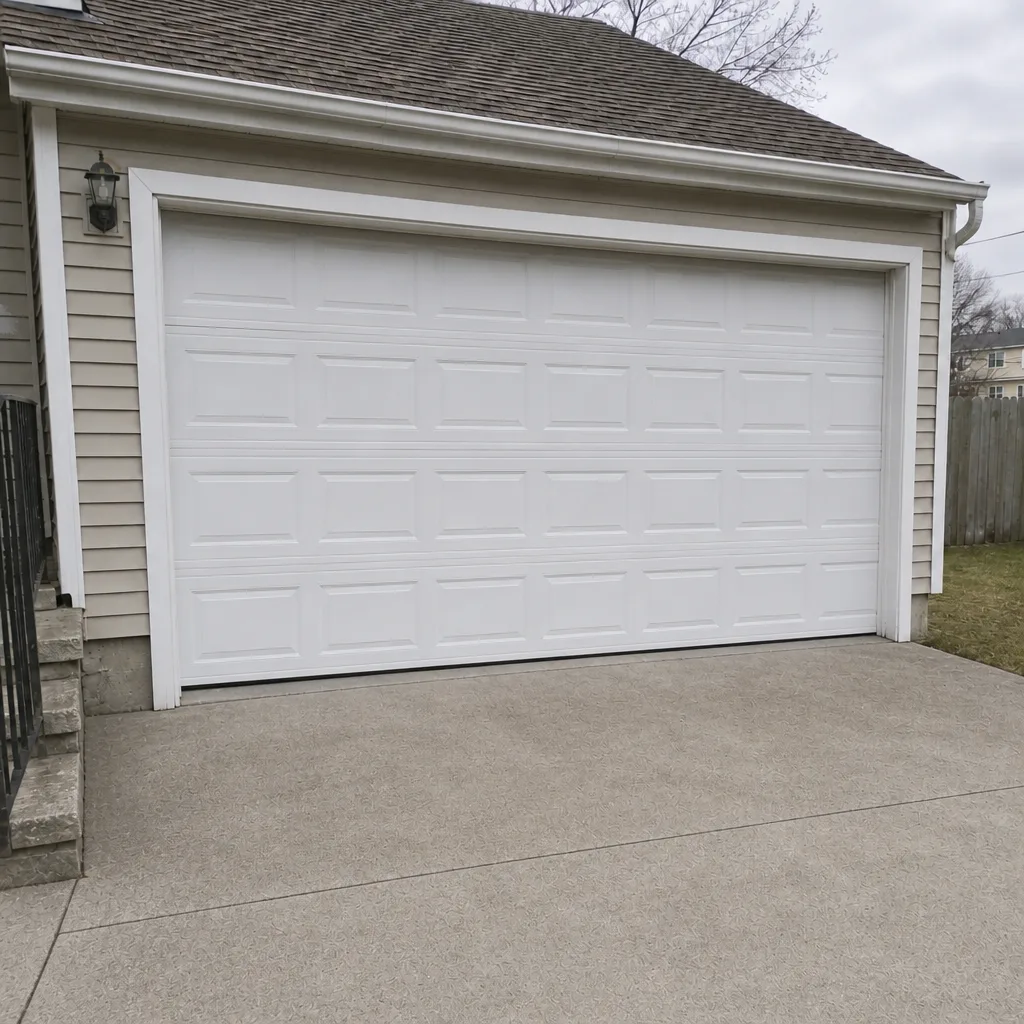
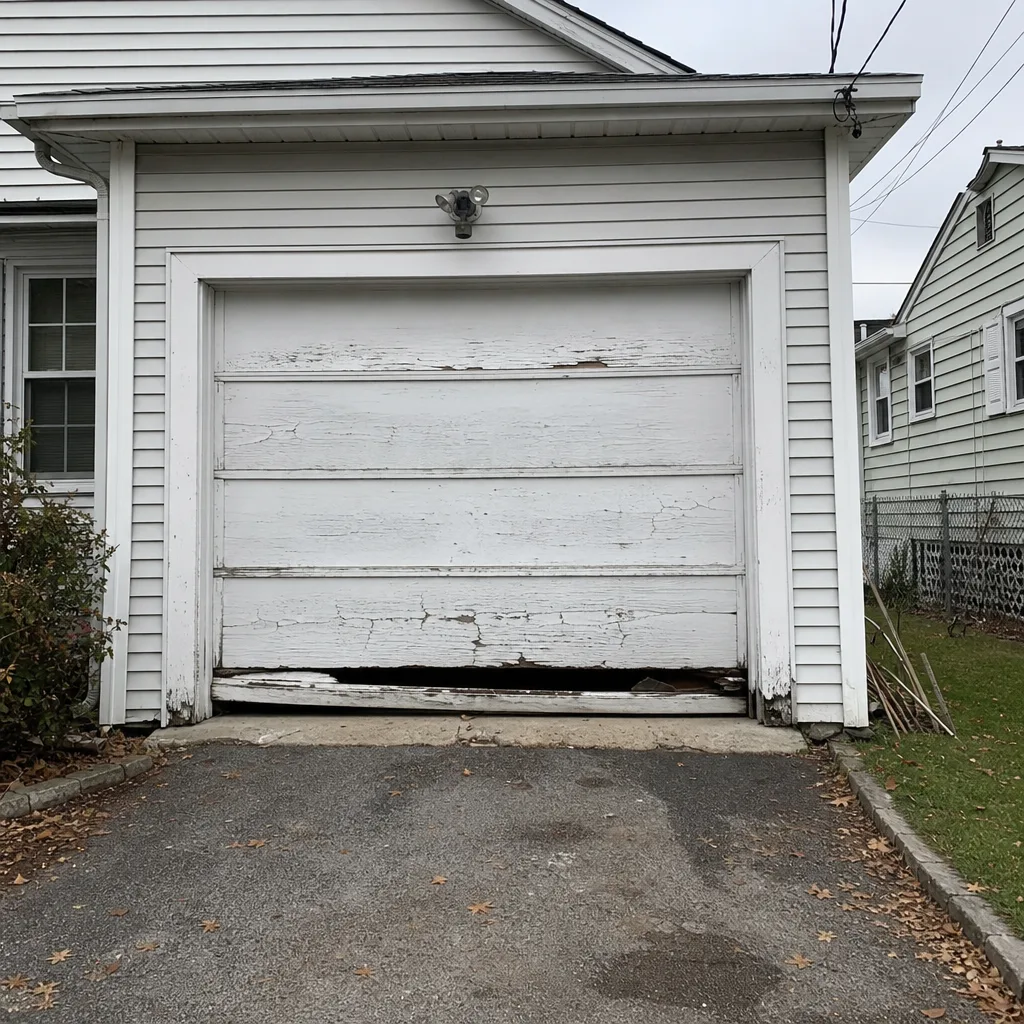
See the difference
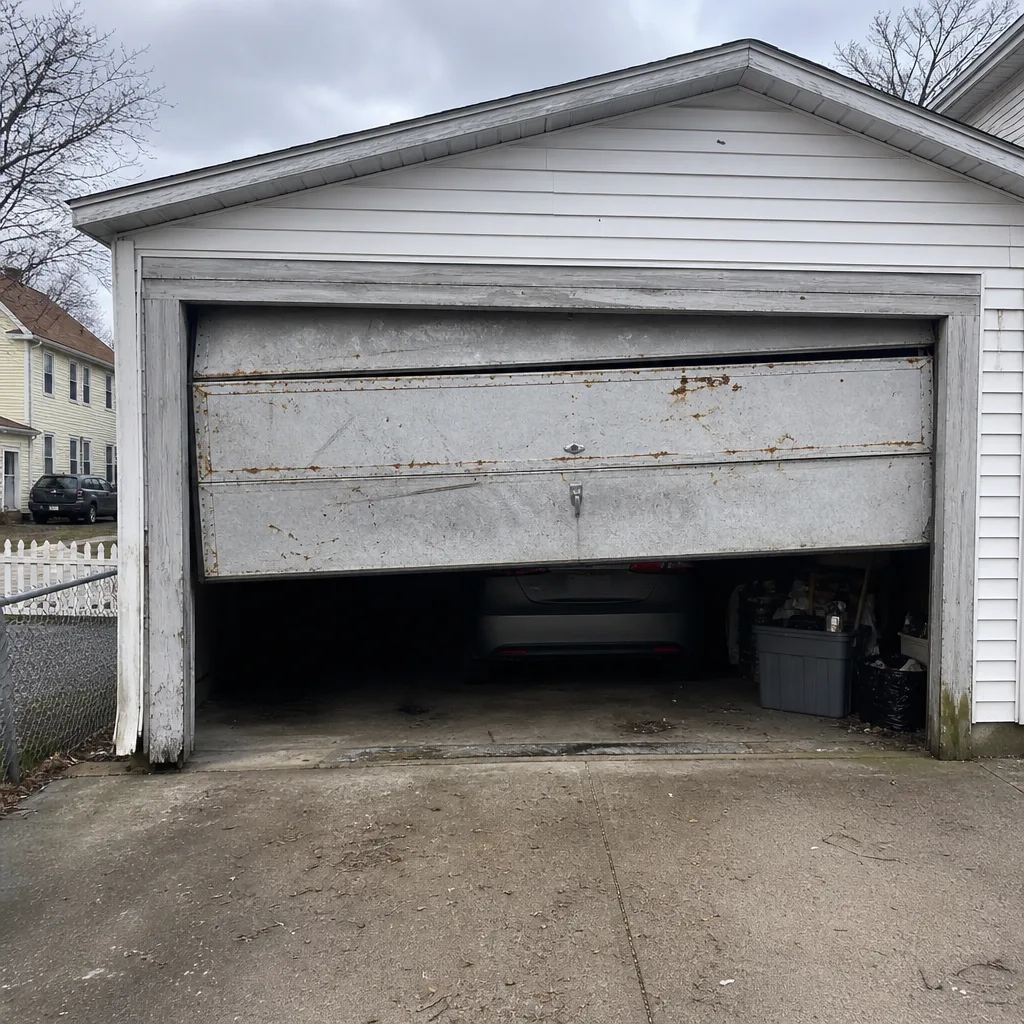 Before
 After
 Before
 After
 Before
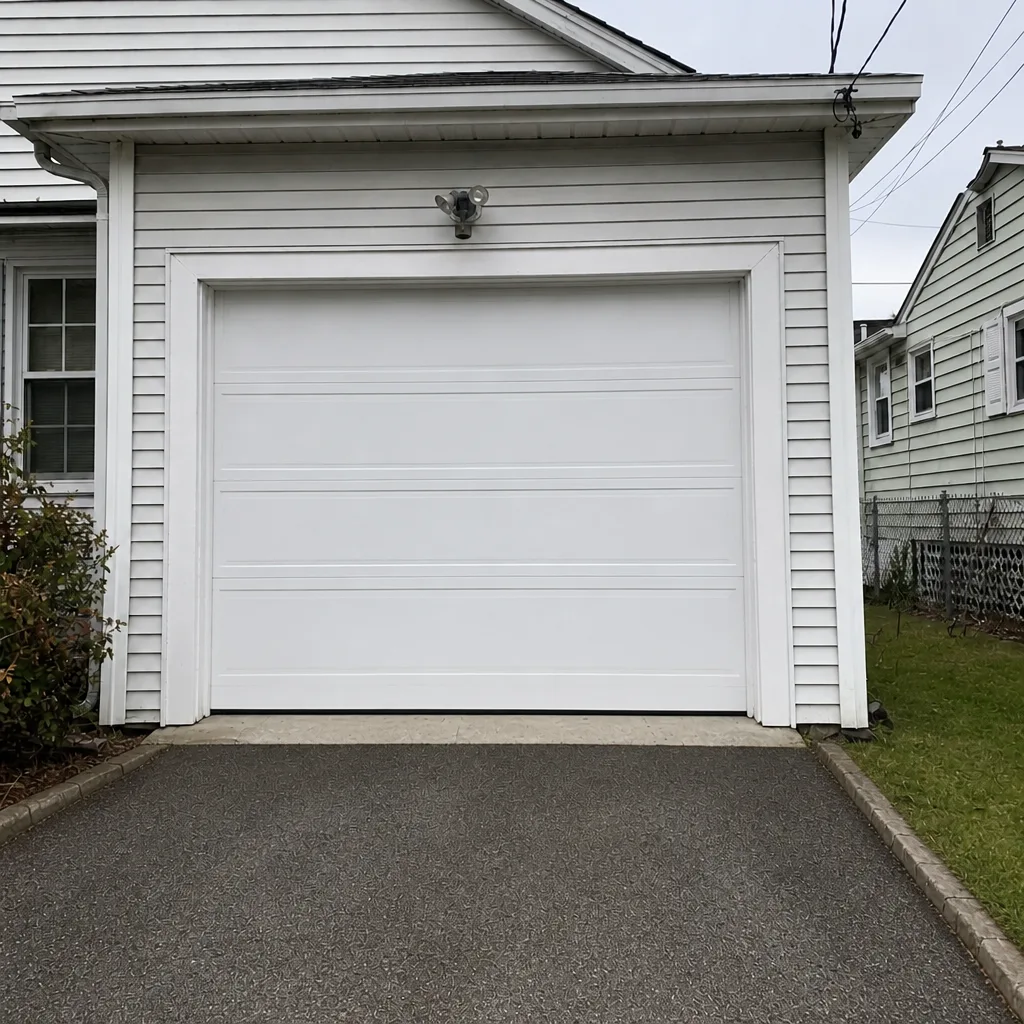 After
When to Call a Professional
Call a professional for any spring or cable failure, any door that has come off its tracks, any opener that won’t respond after the basic checks, and any door that feels heavier than it used to. Call immediately if a car is trapped, if the door is stuck open and the house is exposed, or if the door has visibly crooked in the tracks. Those are the priorities. Do not force a door to see if it will “come loose.” For a door that’s stuck open in a storm after a failed opener, a technician can usually restore it the same day. Garage Door Repair Brockton Pros offers free estimates in Brockton – call (833) 508-9262. The local professional is licensed and insured as their state requires, and every repair is quoted and agreed before any work starts.
Frequently Asked Questions
Most emergency garage door repairs in Brockton run between $150 and $680 depending on the part. A single torsion spring is typically $180 – $340, a matched pair $360 – $680, a cable $150 – $280, and an opener repair $150 – $350. Emergency work is not charged at a premium. Call (833) 508-9262 for an exact quote – estimates are free, and the price is agreed before any work starts.
Yes, in most cases. A door stuck open is one of the urgent calls we handle. We answer 24/7, with fast dispatch from 7am to 7pm, Sunday through Friday. A call outside dispatch hours is booked into the next opening, Sunday through Friday, 7am to 7pm. Call (833) 508-9262 and describe whether the door is off its tracks or just stuck in the opener.
No. The price is quoted and agreed before any work starts, and the written estimate sets the final price. If the technician finds an additional problem, they’ll explain it and quote it before doing anything, so you always know the number in advance. Nothing is added to the bill afterwards.
Yes. The local professional we connect you with is licensed and insured as their state requires. Our technicians have up to 14 years of experience and work across LiftMaster, Chamberlain, Genie, Clopay, Amarr, Wayne Dalton, Craftsman, and Raynor systems, so they arrive familiar with your door and opener.
No. The manual release disconnects the door from the opener, and if the door is already open or the spring is broken, that cord is the only thing keeping the door from dropping. Leave it alone and call. We answer 24/7, so you’ll get a person who can tell you whether the door is safe to leave as it is until a technician arrives.
If the door is visibly crooked, has multiple rollers out of the tracks, has a slack or frayed cable, or has a broken spring, it is not safe to move. Leave it exactly where it is. If the door is level and on its tracks but the opener fails, the manual release can be used with care. When in doubt, don’t move it. Call (833) 508-9262 and describe what you see.
The Bottom Line
The right response to a garage door emergency in Brockton comes down to three things: stop the door, secure the opening if the house is exposed, and call with the details ready. Pull the manual release only when the door is closed and the spring system is intact. Never force a door that’s off its tracks, never prop an open door with whatever’s in the garage, and never touch a spring or cable yourself. Keep the dimensions, brand, and failure sequence handy so the technician arrives with the right parts, and remember that the price is quoted and agreed before work starts. From a broken spring to a brand-new door, we handle the full cycle. Call (833) 508-9262. Estimates are free.
Written by the team at Garage Door Repair Brockton Pros.